




Introduction
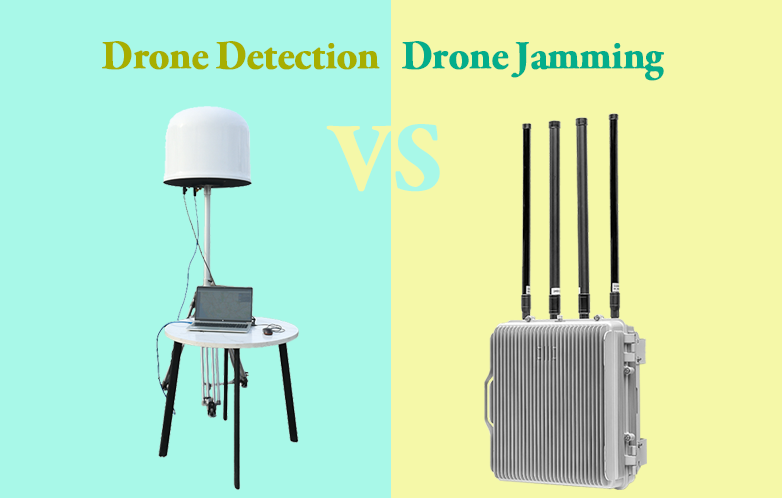
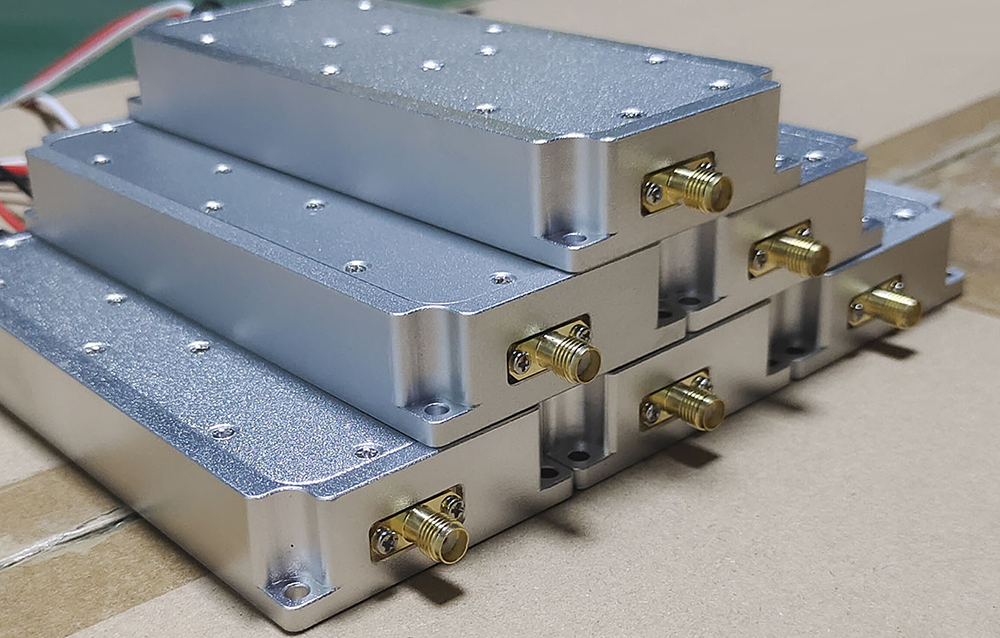
As drones become more accessible and widely used, the need for effective countermeasures has grown significantly. Among the most critical technologies in counter-UAS (Unmanned Aerial Systems) defense are 2.4GHz and 5.8GHz drone jammer modules. These modules are designed to disrupt the communication and video transmission links between a drone and its operator, making them essential for modern security systems.
In this article, we explain how these jammer modules work, why these frequency bands are important, and how to choose the right module for your application.
Why 2.4GHz and 5.8GHz Frequencies Matter
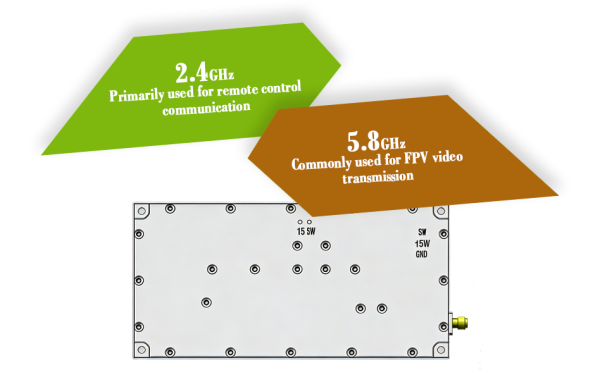
Most commercial drones operate on 2.4GHz and 5.8GHz frequency bands for two main purposes:
- 2.4GHz band: Primarily used for remote control communication
- 5.8GHz band: Commonly used for FPV (First-Person View) video transmission
These frequencies are widely adopted because they offer a balance between range, bandwidth, and resistance to interference. However, this also makes them key targets for drone jamming systems.
How Drone Jammer Modules Work
Drone jammer modules function by emitting radio frequency (RF) interference on the same frequency bands used by drones. This interference disrupts the communication link between the drone and its controller.
Key Mechanisms:
- Signal Overpowering: The jammer transmits stronger signals than the drone controller
- Noise Injection: Random noise is introduced to corrupt communication
- Protocol Disruption: Interrupts digital communication protocols
When successfully jammed, a drone may:
- Hover in place
- Return to its home point
- Land immediately
- Lose video feed
Features of 2.4GHz and 5.8GHz Jammer Modules
High-quality jammer modules typically include the following features:
1. High Output Power
- Ranges from 10W to 100W or more
- Determines jamming distance and effectiveness
2. Wide Band Coverage
- Covers full frequency ranges (e.g., 2400–2500MHz, 5725–5850MHz)
- Ensures compatibility with different drone brands
3. Compact Design
- Lightweight and easy to integrate
- Suitable for portable or fixed systems
4. Efficient Heat Dissipation
- Built-in cooling systems or external heatsinks
- Ensures stable long-term operation
5. Customizable Options
- Adjustable frequency ranges
- Power tuning
- Integration with multi-band systems
Applications of Drone Jammer Modules
2.4GHz and 5.8GHz jammer modules are widely used across various industries:
Security and Defense
- Military bases
- Border control
- Critical infrastructure protection
Public Safety
- Airports
- Stadiums
- Government facilities
Commercial Use
- Prisons
- Industrial zones
- VIP event protection
These modules are often integrated into multi-band anti-drone systems to provide comprehensive coverage.
Advantages of Dual-Band Jamming
Using both 2.4GHz and 5.8GHz modules together offers several benefits:
- Higher success rate in disabling drones
- Simultaneous disruption of control and video signals
- Compatibility with most commercial UAVs
- Reduced risk of signal redundancy
This dual-band approach is considered a standard configuration in modern counter-drone solutions.
How to Choose the Right Module
When selecting a 2.4GHz or 5.8GHz drone jammer module, consider the following factors:
1. Power Requirements
Higher power provides longer range but increases energy consumption and heat.
2. Coverage Area
Determine whether you need omnidirectional or directional jamming.
3. Integration Capability
Ensure compatibility with your existing anti-drone system.
4. Environmental Conditions
Outdoor deployments require rugged and weather-resistant designs.
5. Regulatory Compliance
Always check local laws and regulations regarding RF jamming equipment.
Conclusion
2.4GHz and 5.8GHz drone jammer modules play a crucial role in modern anti-drone systems by targeting the most commonly used communication and video transmission frequencies. With the right configuration and deployment, these modules can effectively neutralize unauthorized drones and enhance security across various environments.
As drone technology continues to evolve, investing in reliable, high-performance jamming modules remains essential for staying ahead of emerging threats.
