


Introduction: The Growing Low-Altitude Security Crisis and the Strategic Value of RF Countermeasures
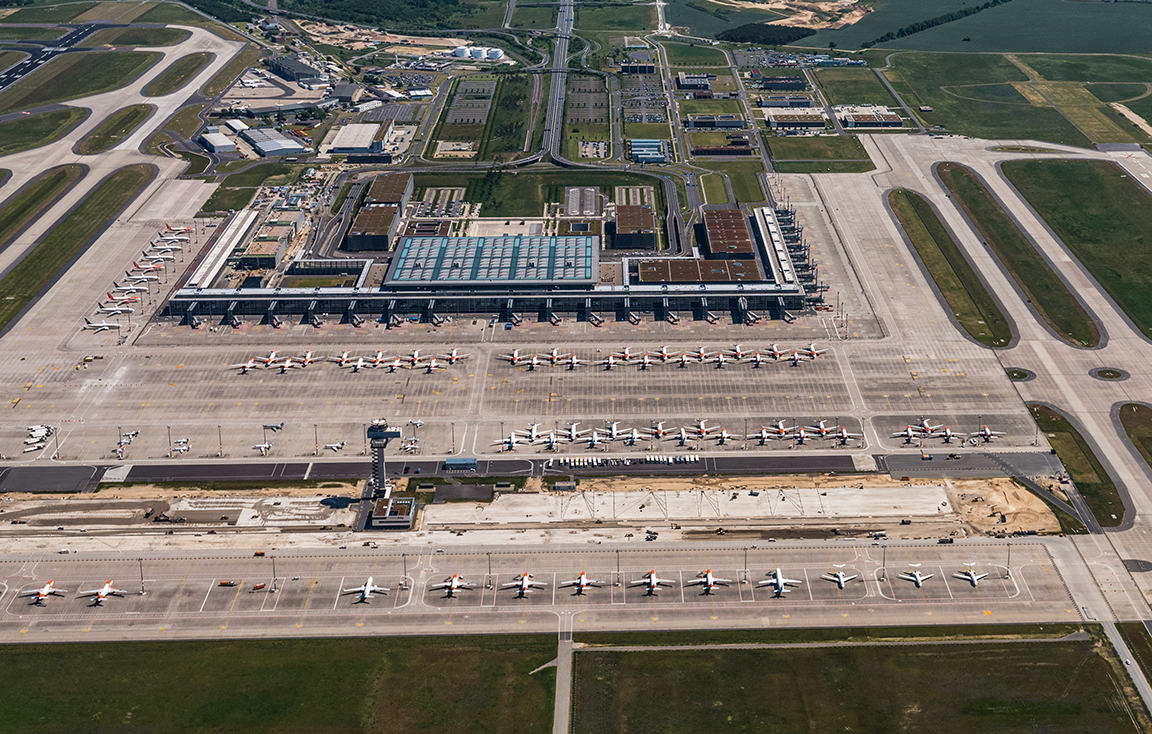
In November 2025, an unauthorized consumer drone intruded into the runway airspace of Shenzhen Bao’an International Airport, forcing three flights to abort landing procedures. During the same period, a luxury residential community in Shanghai reported multiple drone-related privacy violations, sparking public concern over both low-altitude security and personal privacy.
These incidents highlight a critical question: as the low-altitude economy expands rapidly, how can technology create a balance between safety and freedom?
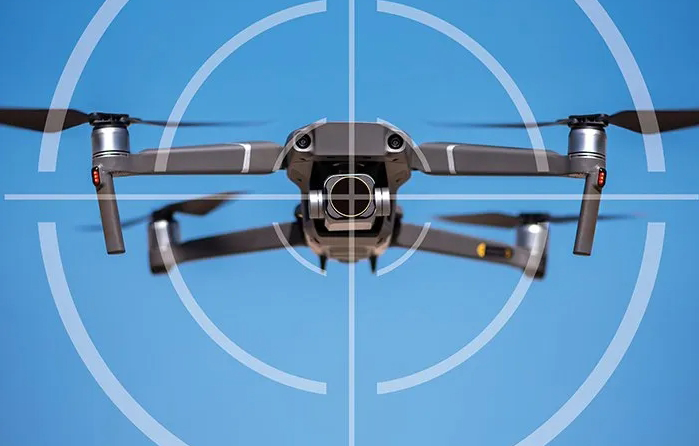
Radio frequency (RF) anti-drone countermeasure technology has emerged as a core solution. With its non-destructive, precise, and adaptable capabilities, it provides comprehensive protection for airports, law enforcement agencies, military units, and private communities. This article explores how modern anti-drone systems use signal suppression, protocol analysis, and intelligent detection to safeguard airspace and privacy in 2025 and beyond.
1. Limitations of Traditional Anti-Drone Technology and the Evolution of Modern Systems
1.1 Core Weaknesses of Early Countermeasure Systems
Frequency Coverage Gaps
Early counter-drone devices focused primarily on the 2.4GHz and 5.8GHz bands. However, modern UAVs employ dynamic frequency hopping. For example, some logistics drones can switch to the 1.2GHz band within 0.5 seconds, reducing interception success rates of older systems to approximately 62%.
Slow Response Time
In coordinated multi-drone scenarios, traditional systems suppress signals layer by layer. During a 2024 airport exercise in Guangzhou, one system required 7 seconds to complete its first interception cycle—far slower than the 2–4 second response time of modern portable devices.
High Risk of Collateral Interference
High-power interference devices may affect nearby electronic systems. In a 2023 commercial district incident in Chengdu, RF interference reportedly disrupted mobile payment services for over 200 users.
Encrypted Communication Challenges
Military-grade UAVs using AES-256 encryption pose significant challenges for legacy systems, which are often unable to analyze or respond effectively to encrypted control links.
1.2 Breakthroughs in Next-Generation RF Countermeasure Technology
Modern anti-drone systems have achieved major improvements through three technological advancements:
Full-Spectrum Intelligent Suppression
Coverage from 445MHz to 6GHz with dynamic frequency tracking increases interception success rates for consumer drones to 99.4%.
AI-Driven Signal and Protocol Analysis
Built-in deep learning algorithms enable drone model identification within 1.8 seconds, supporting databases with more than 150 signal characteristics.
Precision Directional Interference
Phased-array antenna technology allows interference to be confined within a 500-meter radius, reducing unintended signal impact to as low as 0.08%.
2. Core Applications of RF Countermeasures in Privacy Protection
2.1 Technical Principles Behind Privacy Defense
Communication Link Disruption
By transmitting signals within the same frequency band as the UAV, countermeasure systems disrupt command and video transmission links, cutting off the source of potential privacy leaks.
Navigation Signal Spoofing
Simulated navigation signals can guide unauthorized drones away from restricted zones. In a 2025 residential case in Shanghai, a drone was safely redirected and landed in a designated security zone.
Intelligent Signal Analysis
Advanced systems can analyze encrypted communication structures using machine learning models, improving detection and response capabilities even against sophisticated UAVs.
2.2 Typical Application Scenarios
High-End Residential Communities
Deployment Strategy: Portable devices installed at elevated positions to cover balconies and windows.
Result: After deployment in a Shanghai villa community, reported drone privacy incidents dropped by 89%, with resident satisfaction reaching 96%.
Commercial and Office Buildings
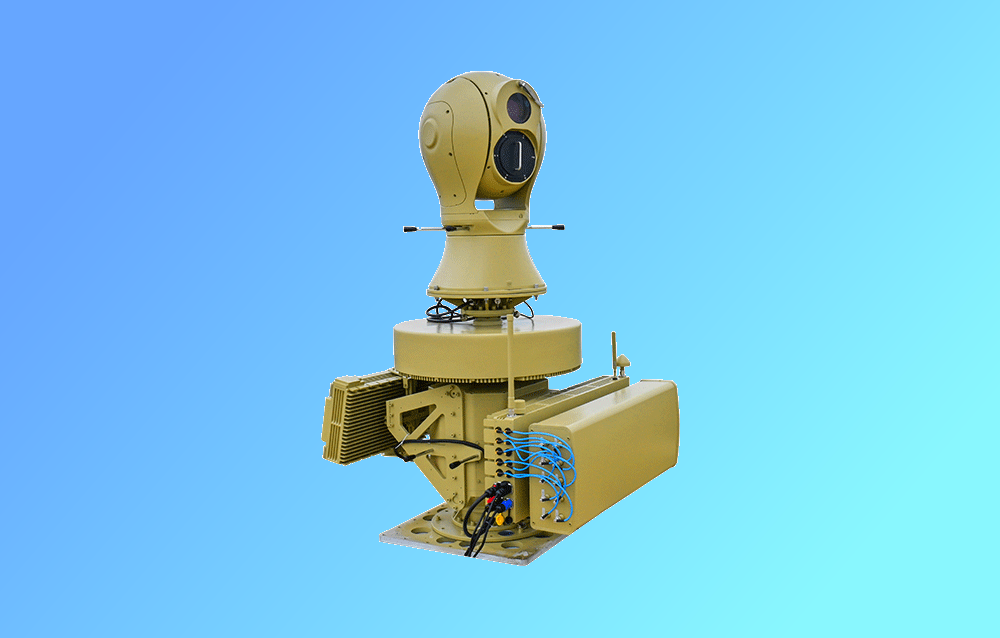
Deployment Strategy: Fixed base stations combined with thermal imaging modules for 24/7 monitoring.
Advantage: Multi-device coordination forms an “electronic fence + physical barrier” protection system with less than 0.05% unintended interference.
Public Events and Gatherings
Deployment Strategy: Portable systems positioned around event perimeters, creating a 1 km protection zone.
Case Study: During the 2025 Asian Games in Hangzhou, the system intercepted eight drones that entered restricted airspace, ensuring event order and guest privacy.
Transportation Hubs and Ports
Deployment Strategy: Fixed interference towers installed near runway zones.
Advantage: Narrow-beam antenna technology confines interference to within 600 meters, maintaining safe aircraft operations.
3. Industry Applications and Vendor Selection Strategy
Key Technical Selection Criteria
Frequency Coverage
Choose systems supporting at least eight frequency bands, including 6GHz, to address future UAV developments.
Environmental Adaptability
Systems tested under military-grade environmental standards can operate reliably in high-salt, high-vibration conditions.
Intelligence Capabilities
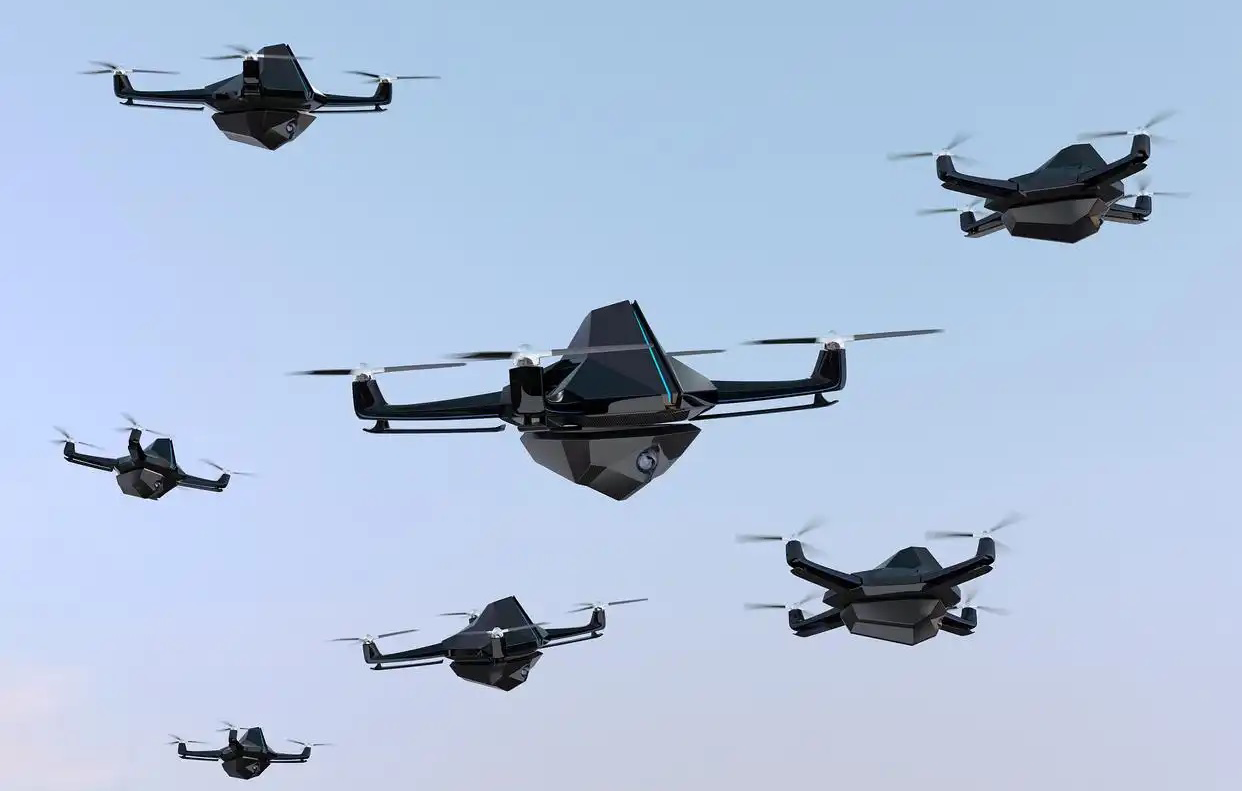
AI-based behavior prediction can provide up to 30 seconds of early warning against coordinated drone swarm activity.
Service and Support
Reliable vendors offer 24/7 remote technical support, with leading providers reporting median repair times under two hours.
4. Future Trends: Intelligent Integration and Policy Coordination
4.1 Technological Evolution
AI-Enhanced Predictive Defense
Behavioral prediction algorithms combined with CNN deep learning models can forecast swarm trajectories and optimize response paths.
Space-Ground Integration
Low-Earth orbit satellite constellations working alongside ground systems could create global low-altitude monitoring networks, overcoming terrain and weather limitations.
Standardization and Interoperability
Industry-wide interface standards will reduce integration complexity and enhance cross-vendor compatibility.
4.2 Policy and Regulatory Development
Airspace Management Reform
Governments are promoting phased integration of UAV traffic management systems, creating regulatory frameworks for safe countermeasure deployment.
Airworthiness Certification Systems
The certification of advanced eVTOL aircraft is driving higher standards for low-altitude safety infrastructure.
Cross-Agency Coordination
Collaboration among military, civil aviation, and local authorities improves airspace zoning and operational efficiency.
Conclusion: Building a New Ecosystem for Low-Altitude Security and Privacy Protection
In 2025, as the low-altitude economy expands alongside increasing drone-related risks, anti-drone systems are redefining how we protect privacy and public safety. With full-spectrum coverage, intelligent detection, and precision interference, modern counter-UAS technology provides a balanced and strategic approach to airspace governance.
Selecting advanced, scenario-adapted anti-drone systems is not only a practical response to unauthorized drone activity but also a long-term investment in the future of secure and sustainable low-altitude ecosystems.
As industry experts often emphasize, the ultimate goal of anti-drone technology is to build a low-altitude environment where safety, freedom, and privacy coexist.
