


Engineering Case Study: UAV Radio Detection System for Border Military Facility Protection
Project Overview
In response to increasing threats of civilian drones being used for military espionage, a border defense unit implemented an advanced UAV radio detection system to safeguard sensitive military facilities. The project utilizes the UAD-ZYQ03 radio detection device to autonomously monitor and identify unauthorized drone activities within a 7-kilometer radius, ensuring compliance with China’s revised Military Facilities Protection Law.
Background and Challenges
Civilian drones equipped with high-resolution imaging devices can perform reconnaissance tasks once limited to military aircraft. Their low altitude, slow speed, and small size make them difficult to detect and ideal for espionage. Military bases and border stations face persistent risks from unauthorized drone overflights, which compromise operational security and violate national regulations.
The revised Military Facilities Protection Law (effective August 1, 2021) explicitly prohibits low-altitude flights over military zones and unauthorized aerial activities. Articles 17 and 51 mandate that military facility personnel prevent and detain violators engaged in illegal photography, reconnaissance, or infiltration.
Solution: Intelligent Radio Detection System
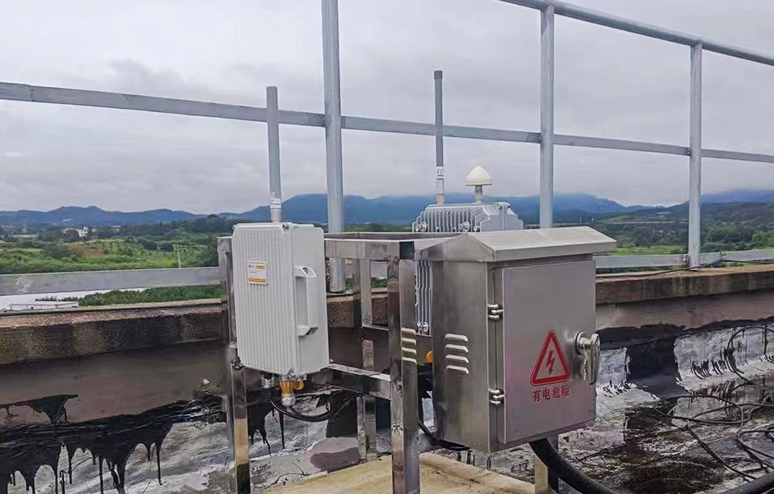
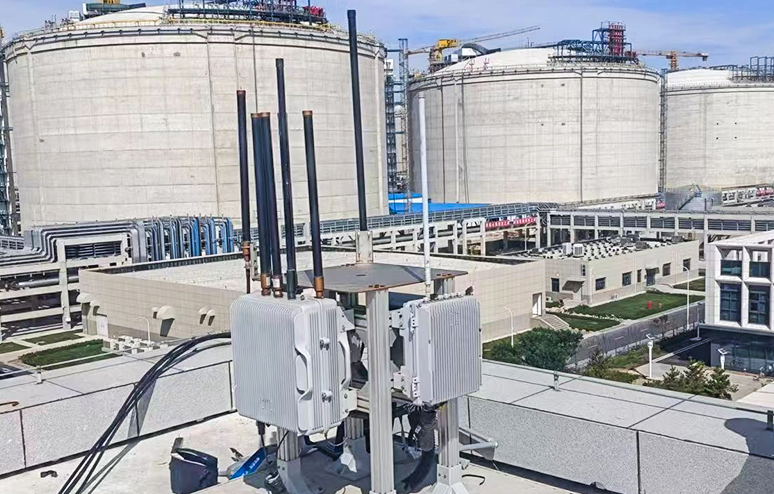
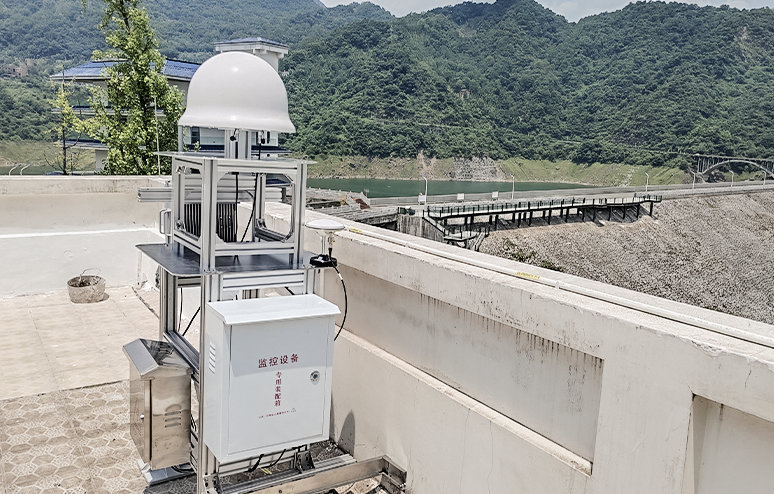
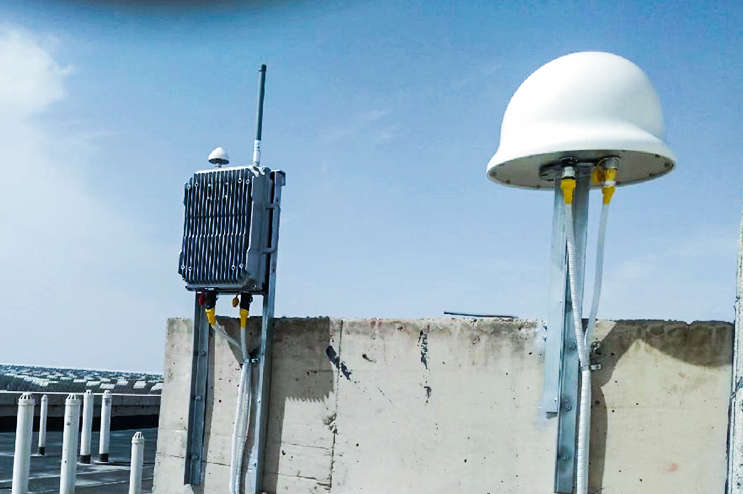
The border unit deployed multiple UAD-ZYQ03 radio detection devices, configured for 24/7 automated monitoring. Key features include:
-
7km Detection Radius: Broad coverage of critical border and facility perimeters.
-
Automatic Scanning: One-touch operation with intelligent signal analysis reduces manual oversight.
-
Real-Time Alerts: Instant notifications upon detecting drone control, video transmission, or navigation signals.
-
Legal Compliance: Supports enforcement of the Military Facilities Protection Law by providing evidence for intercepting and prosecuting violators.
Implementation and Results
The system was installed around high-priority military zones. After activation:
-
Efficiency Gains: Automated detection eliminated the need for constant human surveillance.
-
Rapid Response: Unauthorized drones were identified and located within minutes, enabling quick countermeasures.
-
Legal Enforcement: Recorded signal data helped authorities detain and prosecute offenders under Article 51.
Conclusion
The UAV radio detection project demonstrates how technology can strengthen border security amid evolving espionage tactics. By integrating the UAD-ZYQ03 system with legal protocols, military units can proactively protect sensitive facilities from aerial threats while upholding national security regulations.
This article is optimized for search engines with targeted keywords, a concise description, and clear headings. The content highlights technical specifications, legal relevance, and practical outcomes for readers seeking drone defense solutions in military contexts.
