
Guardians of the Sky: Exploring the Diverse Applications of Counter-UAV Systems
The proliferation of drones—both as commercial off-the-shelf products and sophisticated tactical weapons—has opened the skies to innovation and risk. As unmanned aerial vehicles (UAVs) become more accessible, the threat of rogue operations, espionage, and airborne attacks has escalated dramatically. In response, the Counter-UAV (C-UAV) or Counter-UAS (Unmanned Aircraft Systems) market has evolved from a niche military requirement to a global necessity spanning civilian and commercial sectors.
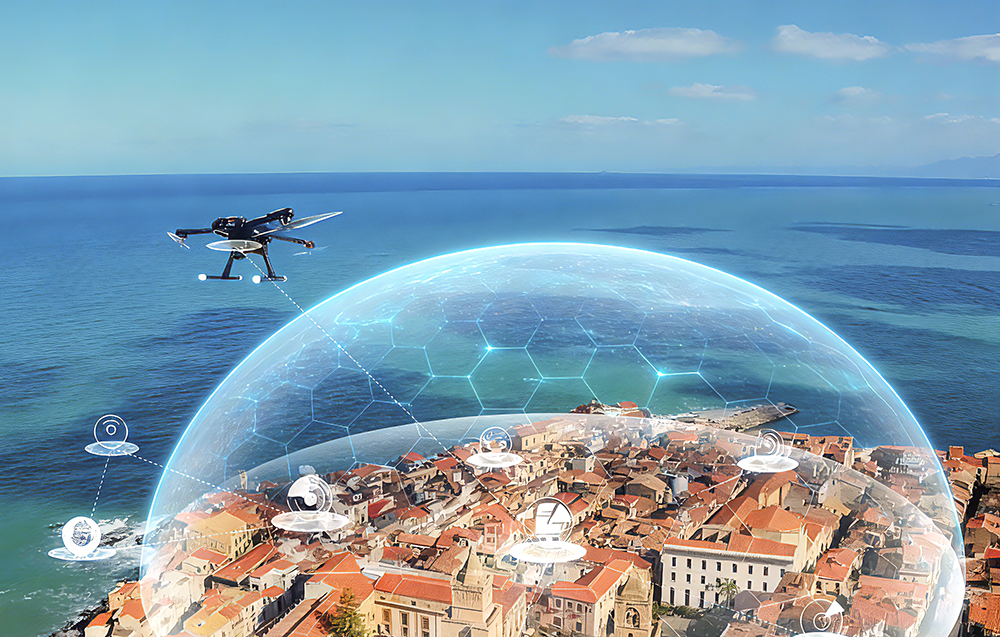
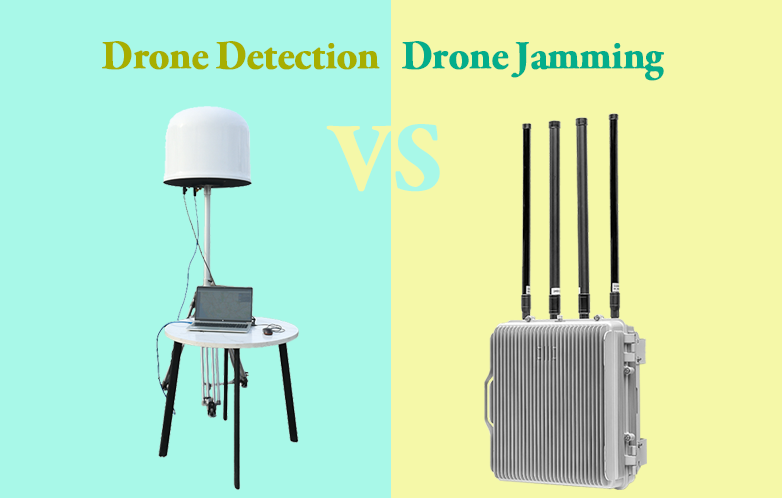
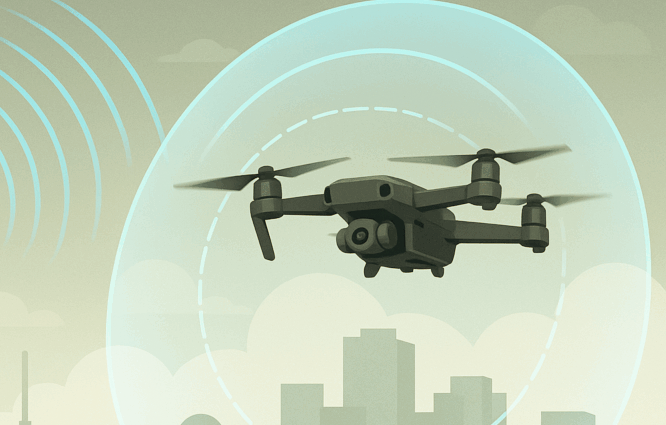
Modern C-UAS technology is no longer a single solution but a multi-layered ecosystem combining radar, radio frequency (RF) scanners, electro-optical cameras, and both kinetic and non-kinetic defeat mechanisms. This article explores the critical applications of these systems across various domains, illustrating how they safeguard our skies.
1. Military Installations and Sovereign Borders
Unsurprisingly, the most demanding applications for C-UAS technology remain in the defense sector. Military bases, forward operating bases, and national borders are high-value targets constantly under the threat of surveillance or attack by hostile drones.
Base Protection and Force Protection
Military installations require “full kill-chain coverage” —the ability to detect, track, identify, and defeat threats autonomously. Systems like those delivered by Anduril to the U.S. Northern Command (NORTHCOM) exemplify this need. With over 350 unauthorized drone incursions reported across 100 installations in a single year, the need for rapid deployability is paramount . These systems often combine autonomous detection with kinetic interceptors or electronic warfare to neutralize threats without putting personnel at risk.
Border Security and Drone Walls
National borders are vast and difficult to monitor. Small drones are frequently used for smuggling contraband or conducting reconnaissance. In response to hybrid warfare threats, European nations have proposed a “drone wall” along their borders, integrating radar networks and C-UAS assets to detect and intercept violating aircraft . This requires technology that can differentiate between birds, commercial planes, and hostile micro-drones, often using advanced Doppler radar .
Tactical and Frontline Defense
On active battlefields, drones account for a staggering percentage of military losses. Troops on the ground require immediate situational awareness. This has led to the rise of wearable C-UAS devices . Unlike fixed-site systems, wearable detectors (such as the RfPatrol Mk2) allow dismounted soldiers to passively scan for RF signals and receive alerts about nearby drones without revealing their own position by emitting energy . Once detected, handheld jammers like the DroneGun can sever the communication link between the drone and its pilot .
2. Civilian Critical Infrastructure
The threat extends beyond the battlefield. Power plants, oil refineries, water facilities, and data centers are increasingly reliant on uninterrupted operations, making them prime targets for corporate espionage or sabotage.
Energy and Utilities
Sites like oil refineries and power plants are considered high-security risks. Drones can be used to map infrastructure or, in worst-case scenarios, carry payloads designed to cause explosions or disruptions. C-UAS solutions in this sector focus on non-destructive detection and mitigation to avoid damaging the very facilities they protect. Systems often use RF jamming to push drones away or force them to land safely .
Transport Hubs: Airports and Ports
Perhaps the most visible civilian application is at airports. Unauthorized drone incursions can shut down runways, causing millions in economic losses and endangering passenger lives. The 2025 incident at Copenhagen Airport, where drone sightings closed the airspace for hours, highlights this vulnerability . Airports require high-reliability systems that can track the velocity and trajectory of objects to distinguish them from birds. Technologies like Weibel Scientific’s Doppler radar are now deployed to protect such critical aviation infrastructure .
Similarly, ports are vast areas with high economic activity and security sensitivity. They require a combination of fixed and mobile solutions to protect against smuggling and potential terrorist threats from the seaward approach .
3. Public Events and Mass Gatherings
In an era where a single rogue drone can cause mass panic, securing large public gatherings has become a top priority for law enforcement and governments.
Major Sporting Events
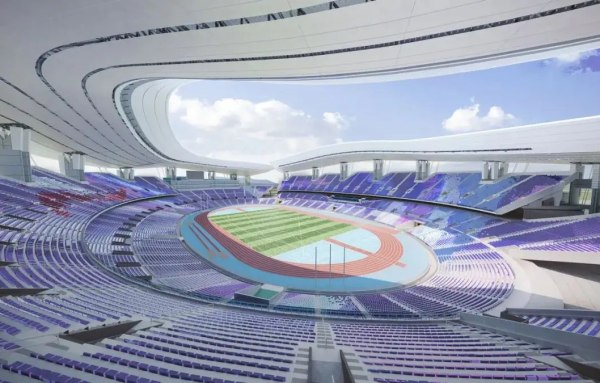
Events like the World Games, the Asian Games, and the National Games have become testing grounds for the latest C-UAS technology. For instance, systems like the “Tianmu” series have been used to provide a “smart eye” for low-altitude security during major competitions . These events require full-spectrum coverage (20MHz-8GHz) to detect modified or frequency-hopping drones that try to evade standard commercial detection bands .
The complexity of these events often demands a multi-sensor approach. At the 15th National Games, a “Sky Shield” was constructed using 5G-A integrated sensing, spectrum detection, and radar to create a matrix of over 200 critical sensing points. This allowed authorities to detect and intercept drones attempting to enter no-fly zones during opening ceremonies, achieving a 100% detection rate .
VIP Protection and Political Summits
When heads of state or diplomatic convoys move, the airspace above them must be sterile. C-UAS systems designed for VIP protection must be mobile and rapidly deployable. Portable systems can be set up quickly at summit venues or mounted on vehicles to protect convoys from potential drone-borne IEDs .
4. Correctional Facilities
Prisons face a unique and persistent drone problem. Drones are frequently used to smuggle contraband—such as mobile phones, drugs, and weapons—directly into prison yards, bypassing physical security measures.
Counter-drone systems in prisons focus on non-kinetic mitigation. Since prisons are often in populated areas or sensitive legal zones, shooting down a drone is rarely an option. Instead, facilities deploy RF jammers that disrupt the drone’s control signal, causing it to land immediately or return to its point of origin, where law enforcement can intercept the operator .
5. Commercial and Corporate Security
As drone technology becomes cheaper, corporate espionage via aerial surveillance is a growing concern. Private estates, corporate headquarters, and research facilities are increasingly investing in small-scale detection systems. These systems alert security personnel if a drone is loitering over sensitive areas like R&D labs or executive floors, enabling them to take legal or mitigative action.
6. The Future Frontier: Anti-Drone Interceptors
The arms race between drones and defenses is leading to a fascinating development: using drones to catch drones . Interceptor drones, or “loitering munitions” designed for air-to-air combat, are entering the market.
Known as “Sky Shields,” these interceptors address the limitations of traditional jamming. For example, fiber-optic drones used in conflicts like the one in Ukraine are immune to RF jamming because they don’t broadcast signals. To counter this, physical interceptors are required. Companies are developing drones that can fly at high speeds to physically collide with threats, deploy nets to capture them mid-air, or carry warheads to destroy them . This method offers a cost-effective ratio compared to firing high-end surface-to-air missiles at a small commercial drone.
Conclusion
The application of Counter-UAV systems is vast and growing. From the high-stakes battlefields of Eastern Europe, where wearable tech saves infantry lives , to the bustling airspace over a stadium hosting a global event , the need to control the low-altitude economy is paramount.
As drones evolve—becoming faster, more autonomous, and resistant to jamming—so too must the defenses. The future of C-UAS lies in layered, intelligent systems that combine radar, RF sensing, AI-driven tracking, and a mix of soft-kill (jamming/spoofing) and hard-kill (interceptors/lasers) effects. Whether protecting a military base, a national border, or a local airport, these “Guardians of the Sky” are an essential component of modern security.
