
Project Engineering Case

1. Project Background and Requirement Analysis
In recent years, with the rapid development and widespread adoption of civilian Unmanned Aerial Vehicles (UAVs), their applications in areas such as aerial photography and mapping have become increasingly common. However, this technology has also introduced new security challenges. Civilian UAVs, characterized by their low flight altitude, slow speed, small size, and high maneuverability, can easily be exploited by criminals or foreign espionage entities for covert reconnaissance, high-definition image capture, or even sabotage activities against military forbidden zones and troop barracks, posing a severe threat to military secrets and national security.
To address this emerging security risk, the newly revised Military Facilities Protection Law of the People’s Republic of China, effective from August 1, 2021, explicitly prohibits aircraft from conducting low-altitude flights over land or water-based military forbidden zones. It also authorizes military facility management units to take measures such as stopping, controlling, and transferring individuals involved in illegal flights. Against this legal backdrop and amidst a severe security landscape, a military unit in Jiangxi proactively responded to national directives by initiating the construction of an advanced and efficient UAV defense system. The project aimed to comprehensively enhance the low-altitude airspace security protection capabilities around the barracks and critical military installations, fundamentally eliminating the risks of espionage and security breaches caused by unauthorized UAV flights.
2. Project Construction Plan
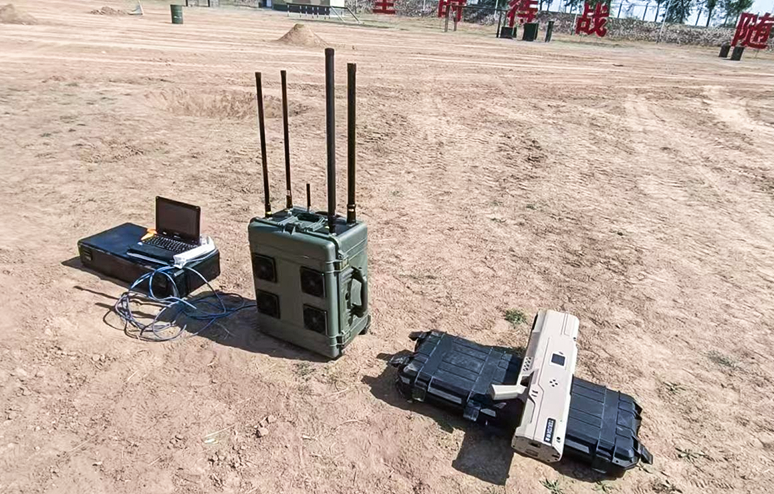
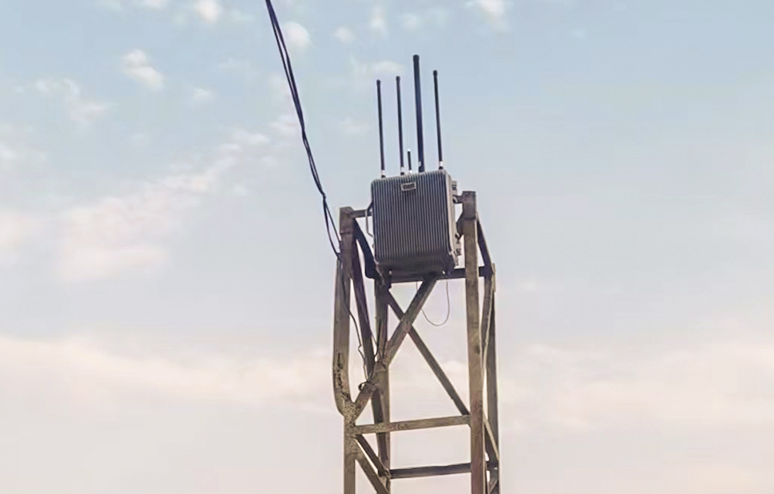
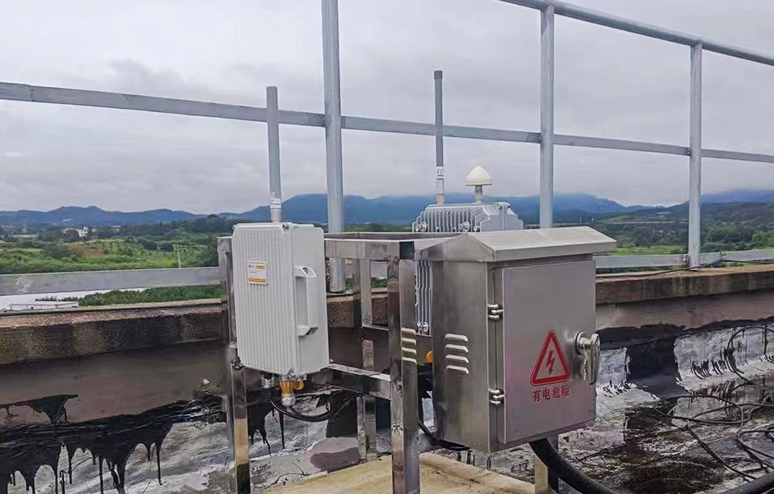
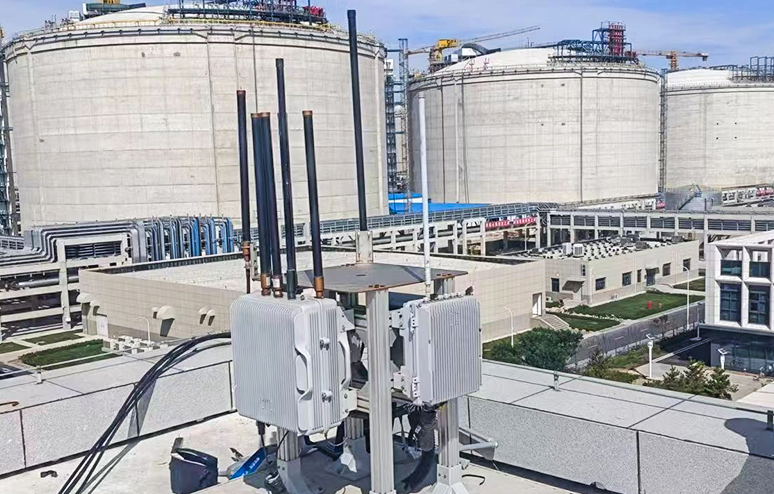
Given the complex environment surrounding the military base and the high level of protection required, the project underwent rigorous solution validation and equipment selection. The core technical approach was established as “detection and identification, precision countermeasure.” The project implemented a comprehensive defense solution consisting of Radio Detection Equipment and an Integrated Detection-Jamming System, provided by a leading domestic security enterprise.
-
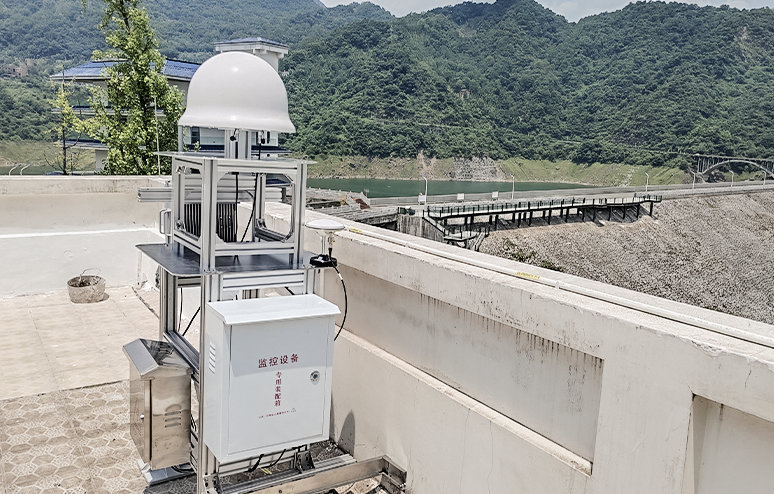
Comprehensive Situational Awareness: Deployment of Radio Detection Equipment (Model: UAD-ZQY03)
Acting as the “clairvoyant eye” of the defense system, the UAD-ZQY03 Radio Detection Equipment is responsible for 24/7, all-around passive monitoring of the protected airspace. By analyzing the video transmission and remote control link signals between the UAV and its controller, this equipment can rapidly identify and precisely locate key information such as the UAV model, frequency band, and direction without emitting any radiation signals. The passive detection characteristic ensures the covert nature of routine surveillance tasks, making it difficult for potential threat sources to detect. -
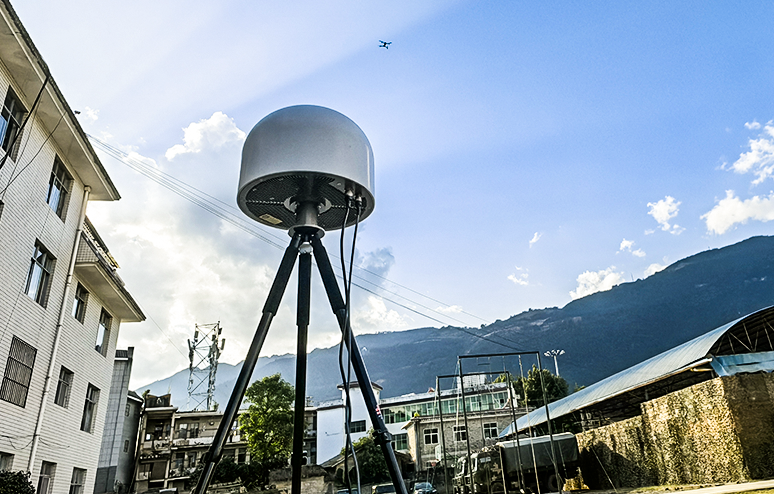
Precision Engagement: Deployment of Integrated Detection-Jamming System (Model: UADS-ZG12PLUS)
Serving as the “iron fist” of the defense system, the UADS-ZG12PLUS Integrated Detection-Jamming System can be rapidly activated upon receiving alerts from the detection equipment to conduct precision strikes against unauthorized intruding UAVs. This system integrates full-band detection and jamming capabilities, allowing it to emit directional jamming signals targeting different UAV models and communication links, thereby cutting off the communication link between the UAV and its controller. Depending on tactical needs, the system can force the illegal UAV to hover in place, return to its point of origin, or execute a safe landing, thus completely neutralizing its threat to the military forbidden zone.
3. Project Implementation Results
Since the deployment and commissioning of this UAV defense system, it has significantly enhanced the low-altitude security protection level of the Jiangxi military unit.
-
Full Defense Coverage: The system achieves 24/7 uninterrupted monitoring of the low-altitude airspace over the barracks and surrounding key military areas, effectively compensating for the shortcomings of traditional radar in detecting “low, slow, and small” targets.
-
Efficient and Reliable Countermeasure Methods: The system enables an automated closed-loop process from detection and identification to countermeasure and expulsion for unauthorized intruding UAVs. The integrated detection-jamming system reacts quickly with precise jamming, ensuring efficient and safe handling processes, fully complying with national laws and regulations regarding the interdiction of illegal aircraft.
-
Compliance Assurance: The construction and operation of this project strictly adhere to the relevant provisions of the Military Facilities Protection Law, providing robust technical support for military facility management units to perform their duties legally and effectively preventing unauthorized UAVs from entering military forbidden zones or conducting illegal photography.
4. Conclusion
The successful implementation of the UAV defense project in the Jiangxi military unit represents a significant practice in leveraging technological means to implement national legal requirements and safeguard military security. By organically combining radio detection with an integrated detection-jamming system, the project has constructed a robust low-altitude “firewall.” It effectively addresses the security challenges posed by the misuse of civilian UAVs and provides a valuable reference model for UAV protection efforts in other military units and critical confidential facilities. As technology continues to evolve, this defense system will undergo continuous optimization, playing an increasingly vital role in safeguarding national security and protecting military secrets.
