
1. The Importance of Counter-Drone Defense Systems
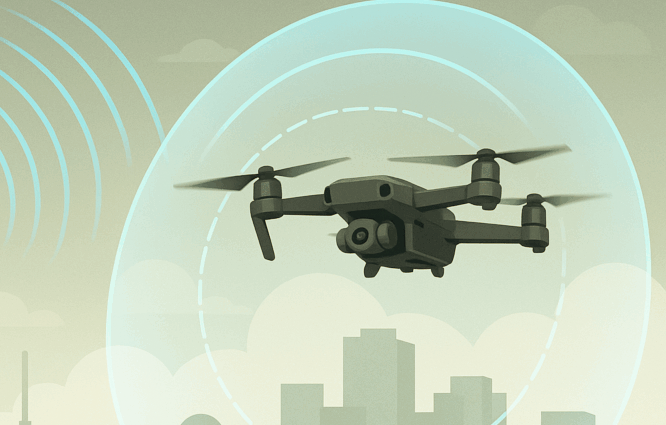
With the rapid development of drone technology, unmanned aerial vehicles are now widely used in civilian sectors such as photography, logistics, agriculture, and inspection. However, this rapid growth has also introduced new challenges, including illegal intrusions, privacy violations, and potential security threats.
For example, in 2025, an international airport experienced significant flight delays after an unauthorized drone entered a restricted airspace. The disruption caused major operational problems and resulted in millions of dollars in economic losses. Incidents like this highlight the growing need for effective counter-drone defense systems.
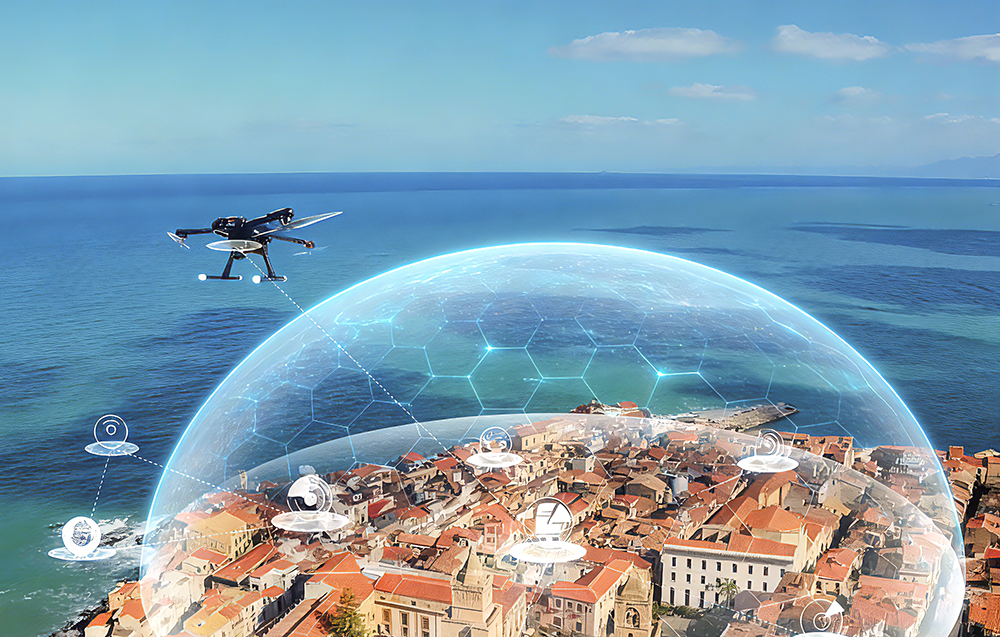
A counter-drone defense system, often referred to as a Counter-Unmanned Aerial System (C-UAS), integrates multiple technologies to detect, track, and neutralize unauthorized drones. By combining detection equipment, countermeasures, and centralized control platforms, these systems create a complete defense chain that can effectively respond to drone-related threats.
2. Core Components of a Counter-Drone Defense System
A comprehensive counter-drone system includes several key components that work together to form a multi-layered defense architecture. These typically include detection equipment, jamming devices, interception tools, and command-and-control platforms.
Detection Equipment
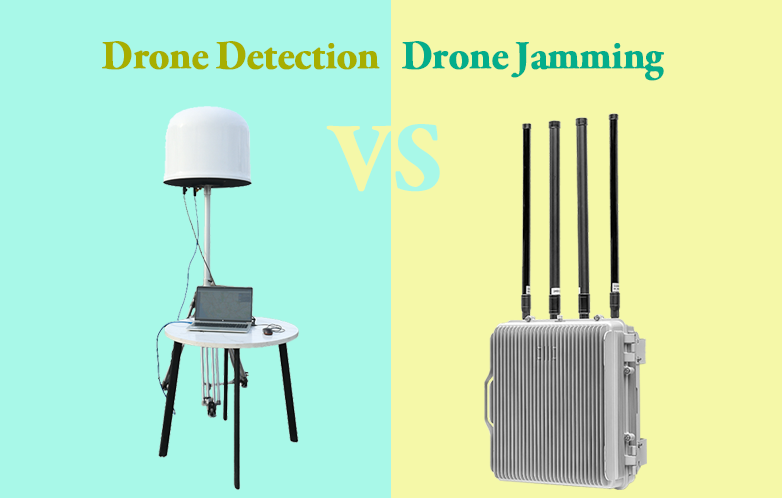
Detection systems serve as the first line of defense. Their primary function is to identify and locate drones in the surrounding airspace.
Common detection technologies include RF detectors, radar systems, electro-optical and infrared sensors, as well as acoustic detection devices. By combining these technologies, the system can operate effectively in different environments and provide accurate drone detection and tracking.
Jamming Equipment
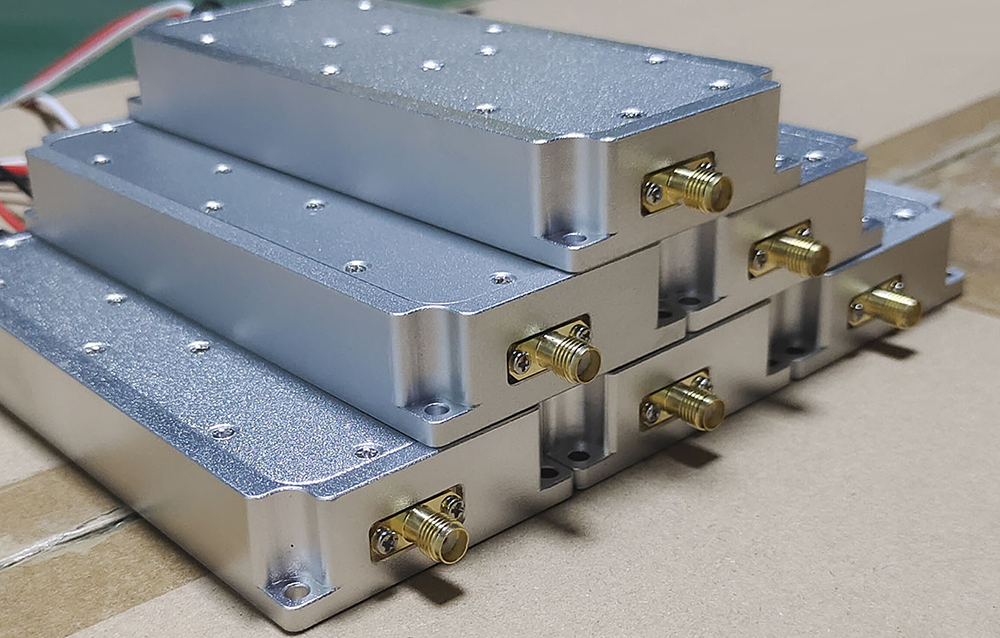
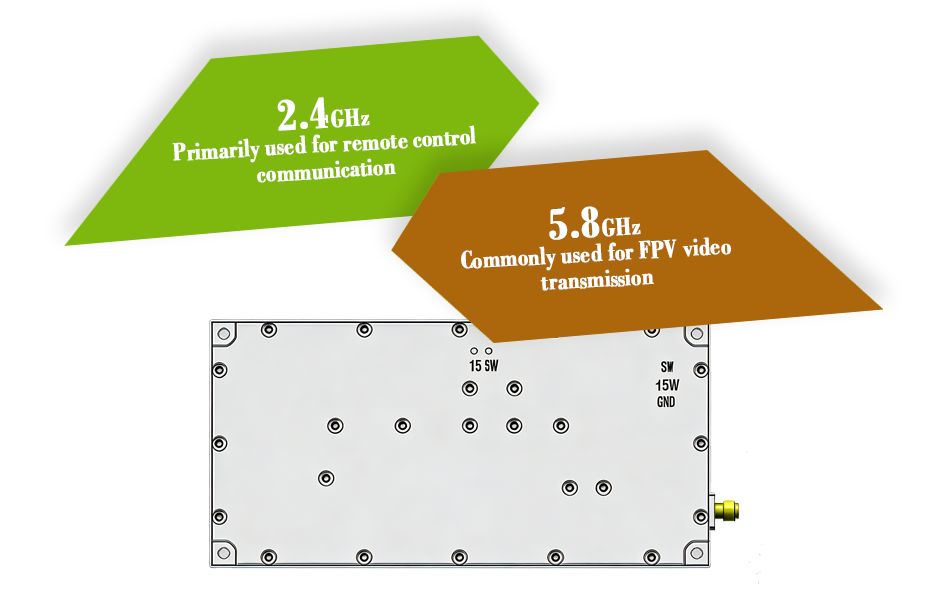
Jamming devices are designed to disrupt the communication and navigation systems of unauthorized drones. They work by transmitting high-power radio frequency signals or spoofing signals that interfere with the drone’s control links and satellite navigation.
Typical examples include RF jammers and GPS jammers, which can force drones to land, return to their launch point, or lose control, significantly reducing potential threats.
Interception Equipment
Interception equipment plays a key role in physically removing or neutralizing drones. These systems allow security teams to obtain physical evidence or completely eliminate the threat.
Common interception solutions include net guns and high-energy laser systems. These technologies provide direct physical countermeasures and enhance the overall effectiveness of counter-drone operations.
Command and Control Systems
The command-and-control system acts as the brain of the entire counter-drone defense network. It integrates data from detection, jamming, and interception devices, allowing operators to monitor airspace and coordinate defensive actions in real time.
Through centralized management and intelligent data analysis, the system significantly improves operational efficiency and coordinated response capabilities.
3. Equipment Functions and Collaborative Mechanisms
Multi-Layered Defense Architecture
Modern counter-drone defense systems rely on a multi-layered collaborative framework. This approach integrates multiple technologies to form a closed-loop defense process that starts with detection and ends with threat neutralization.
The system combines multi-source detection, signal suppression, physical interception, and coordinated command functions. By integrating these capabilities, operators can respond quickly and effectively to drone threats.
Efficient Defense Network
High-performance computing platforms play an important role in integrating and analyzing large amounts of sensor data. This allows the system to provide rapid threat identification and response.
For example, during a security operation at a military facility, a counter-drone system quickly detected and neutralized an approaching unmanned aircraft, demonstrating the effectiveness of coordinated command and integrated defense technologies.
4. Real-World Application Scenarios
Airport and Critical Infrastructure Protection
Counter-drone systems are widely used to protect airports and critical infrastructure. They are particularly effective in securing sensitive locations such as nuclear power plants, military bases, and government facilities.
In one reported case, a nuclear power plant successfully detected and neutralized a surveillance drone attempting to enter restricted airspace, preventing a potential security breach.
Public Safety Applications
Counter-drone technologies are also essential for public safety operations. They are commonly deployed during large-scale public events and for border security.
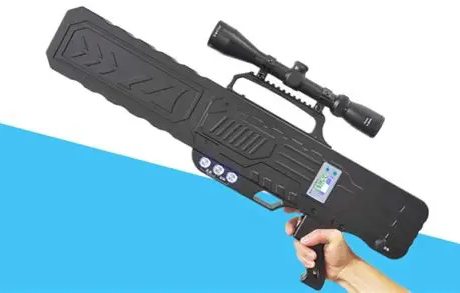
Portable counter-drone devices, such as handheld jamming guns, allow security personnel to respond quickly to unexpected drone activity. By integrating these devices into a broader defense network, authorities can ensure stable and secure airspace during major events and sensitive operations.
5. Challenges and Future Outlook
Technical and Regulatory Challenges
Despite their advantages, counter-drone systems face several challenges, especially in urban environments. Complex electromagnetic conditions and increasingly sophisticated drone anti-jamming technologies can reduce the effectiveness of traditional countermeasures.
In addition, high-power jamming equipment may potentially interfere with civilian communication systems. As a result, system designers must carefully balance performance with regulatory compliance and operational safety.
Future Development Trends
Looking ahead, the future of counter-drone technology will focus on greater intelligence, integration, and versatility. Emerging technologies such as artificial intelligence, 5G networks, and advanced materials are expected to significantly improve system performance.
These innovations will enhance detection accuracy, response speed, and system adaptability. As drone usage continues to expand globally, counter-drone defense systems will remain a crucial component of public safety and critical infrastructure protection.
In the coming years, these systems will play an even more important role in maintaining secure airspace and ensuring the safety of both civilian and strategic environments.
