


Securing the Skies: A Drone Defense Project at a Photovoltaic Power Station in Jiangxi, China
Project Overview
Location: Xinyu City, Jiangxi Province, China
Facility: Large-scale Photovoltaic (PV) Power Station
Core Challenge: Protecting critical energy infrastructure from unauthorized drone intrusions that could disrupt operations, cause physical damage, or pose security threats.
Defense Strategy: A layered, non-kinetic approach integrating Drone Radio Detection and Drone Spoofing (Navigation Guidance Signal Countermeasure) technologies to ensure comprehensive, 24/7 protection.
The Rising Threat to Critical Energy Infrastructure
The proliferation of civilian drones has introduced significant new risks to essential utilities like power generation and transmission facilities. Incidents of drones “flying recklessly” or “flying black” (without authorization) interfering with substations, power lines, and solar farms are on the rise. Such intrusions can cause operational disruptions, equipment damage, data theft, and pose serious safety hazards, highlighting an urgent need for reliable drone defense systems within the energy sector.
Industry Mandate: The GA1800 Standards
The importance of protecting power infrastructure is underscored by national regulations. The industry standard 《GA1800.1-2021 ~ GA1800.6-2021》 (Anti-Terrorism Security Requirements for Power Systems), issued by relevant Chinese authorities, explicitly mandates the establishment of anti-drone systems for various power generation enterprises, including solar power plants.
Key system requirements from the standard that guided this project include:
-
Regulatory Compliance: System power and frequency bands must comply with national regulations.
-
Full Automation: Capable of 24-hour continuous, automated operation without manual intervention.
-
No Harmful Interference: Must not cause disruptive interference to surrounding critical facilities.
-
Safety Assurance: Implementation must have safeguards to prevent any impact on power system timing.
-
Certified Technology: The system requires detection reports issued by national-level radio monitoring and appraisal institutions.
Deployed Solution: Integrated Detection & Spoofing
To meet both the operational threat and stringent regulatory requirements, a tailored two-layer defense system was deployed.
| Deployed Equipment | Model | Quantity | Primary Function |
|---|---|---|---|
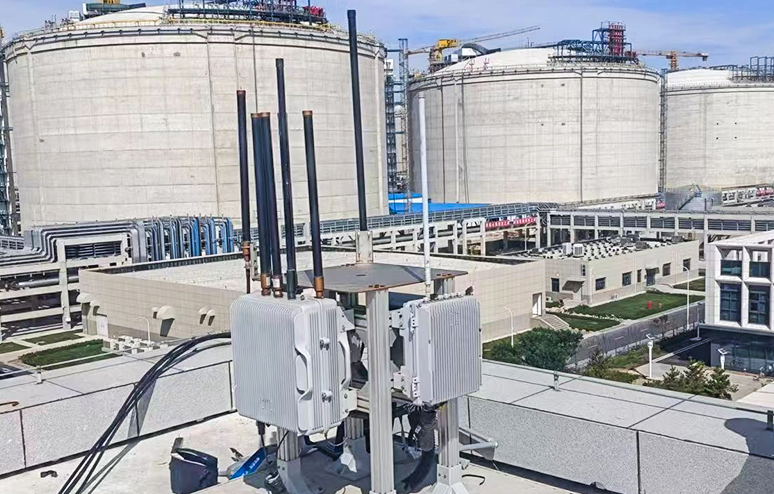
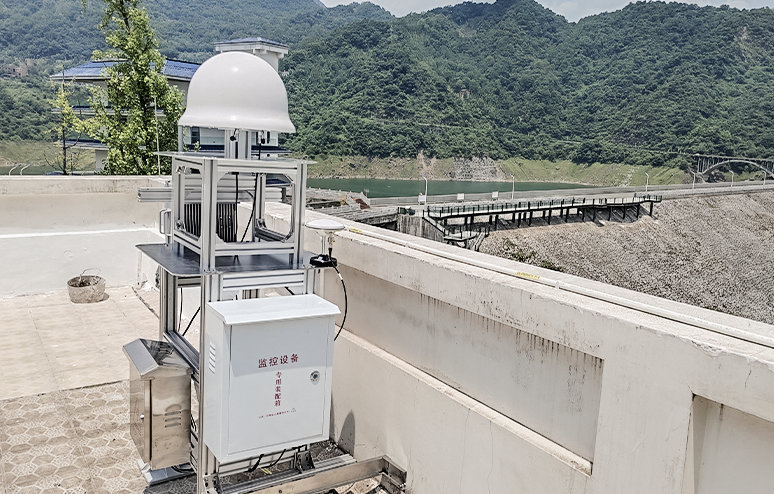
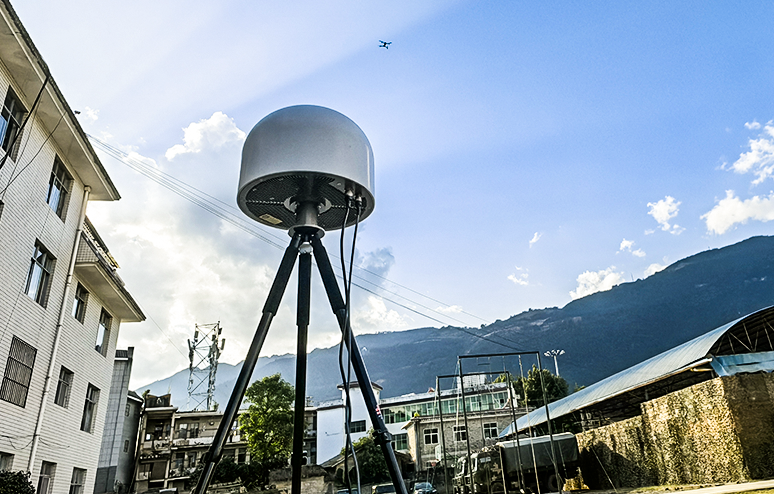
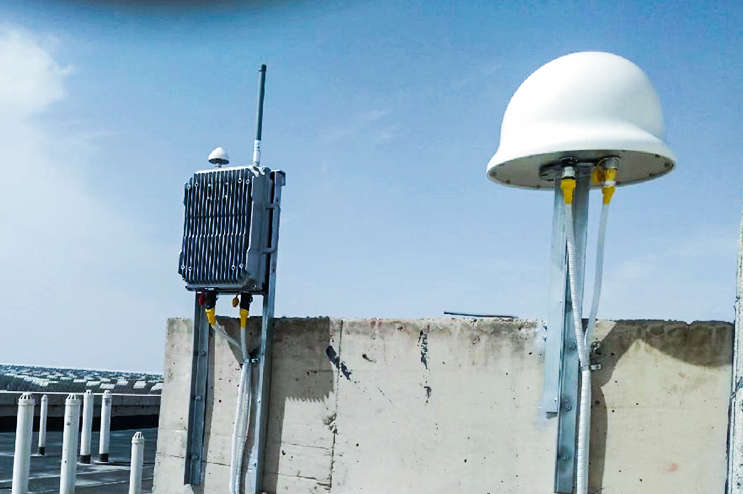
| Radio Detection Device | UAD-ZDN01 | 1 Set | Provides wide-area, passive radio frequency (RF) scanning to detect, identify, and locate unauthorized drones and their pilots within the protected airspace. It serves as the early warning “eyes” of the system. |
| Drone Spoofing System | UADS-P01 | 1 Set | Acts as the active “countermeasure” layer. Upon detection confirmation, it emits precisely targeted navigation signal spoofing (e.g., towards GPS, Beidou) to safely take control of the intruding drone’s flight path, guiding it away from the protected zone or to a designated safe landing point. |
Project Implementation & Highlights
-
Strategy: The UAD-ZDN01 detection device provides continuous perimeter surveillance. Once a threat is verified, the system can automatically or manually trigger the UADS-P01 spoofing system to engage and neutralize the threat.
-
Compliance by Design: The selected systems are certified, use legally authorized frequency bands and power levels, and are designed to operate without affecting the power plant’s sensitive electronic equipment or timing systems.
-
Operational Efficiency: The solution fulfills the requirement for 24/7 automated operation, significantly reducing the security team’s burden while ensuring constant vigilance.
-
Non-Disruptive & Safe: The spoofing method does not involve signal jamming or physical force. It uses guidance signal countermeasures, making it a safe choice for environments where RF interference must be strictly avoided.
Conclusion
This project in Jiangxi demonstrates a practical and compliant model for securing photovoltaic power stations against evolving drone threats. By implementing a combined detection-and-spoofing system that aligns with the national GA1800 standards, the facility has achieved a robust, automated, and legally sound defense posture. It ensures the safety, security, and uninterrupted operation of critical clean energy infrastructure, setting a benchmark for similar power generation facilities globally seeking to protect their assets from unauthorized UAV incursions.
