


Navigating the Sky: Evolving Trends and Technologies in the Drone Jammer Industry
The global market for drone countermeasures is experiencing significant transformation. As unauthorized drone incidents rise across critical infrastructure, public venues, and conflict zones, the demand for sophisticated drone interference modules is accelerating. This industry dynamic explores the key technological, regulatory, and commercial shifts defining the sector.
Technological Advancements Drive Capability
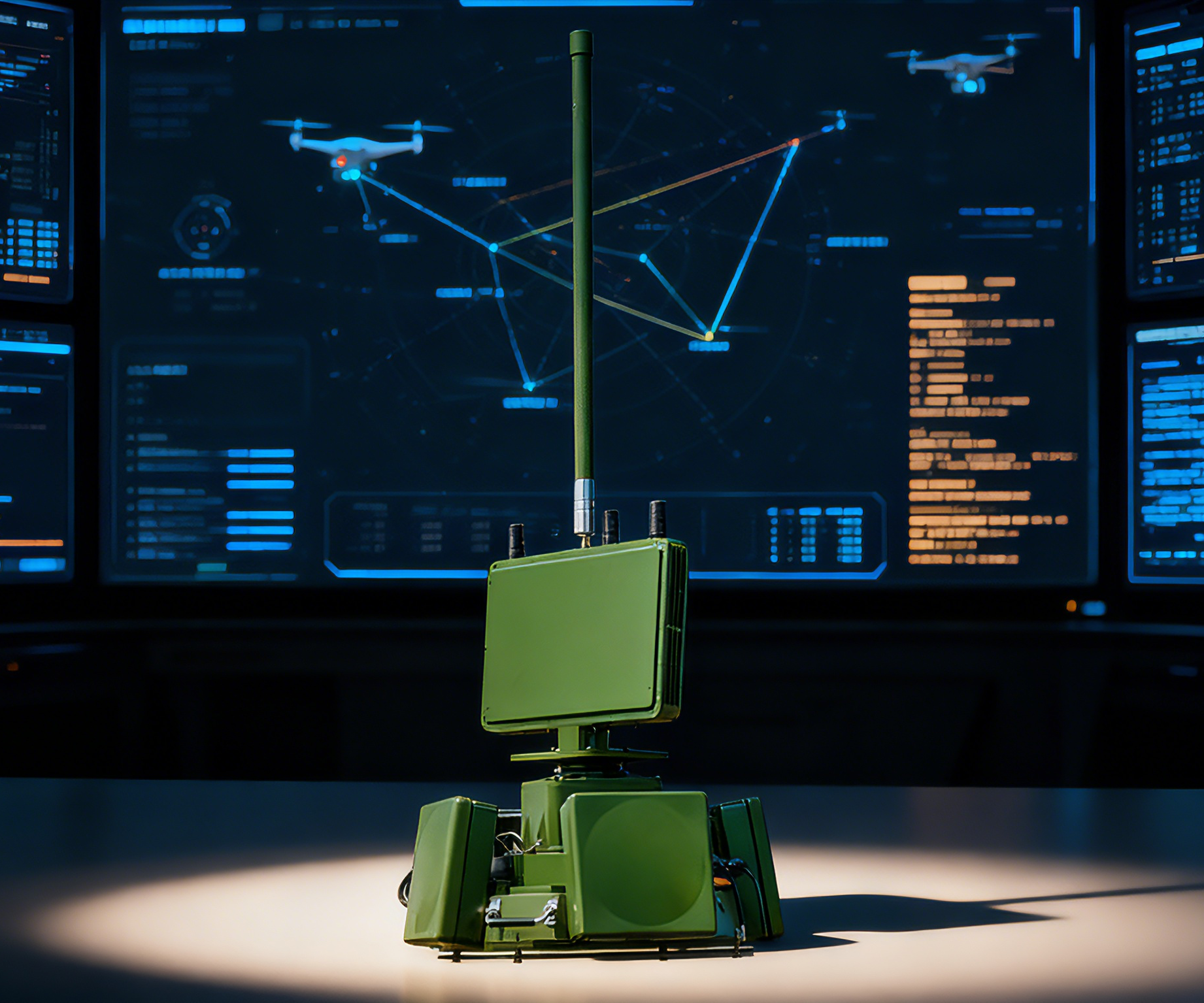
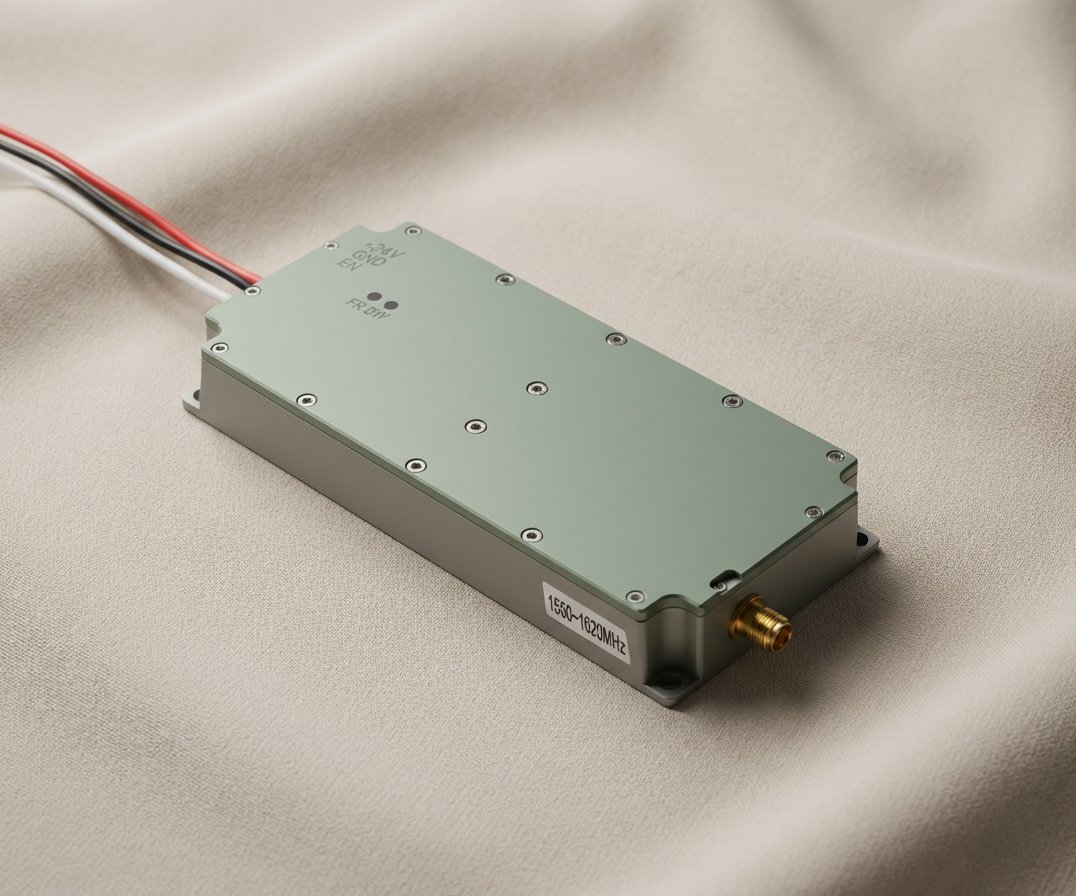
Modern drone jammers have evolved beyond simple RF signal blockers. Leading manufacturers are now integrating multi-layered, adaptive systems. The trend is moving towards cognitive jamming, which can identify and target specific drone communication protocols (like Wi-Fi, GPS, GLONASS, or proprietary RF links) with precision, minimizing collateral interference. Furthermore, the integration of AI-powered detection and classification allows systems to distinguish between harmless consumer drones and potential threats before initiating selective jamming. Portable, rifle-shaped jammers remain crucial for tactical field operations, while fixed, automated systems are increasingly deployed for 24/7 perimeter protection of sensitive sites.
Market Expansion and Regulatory Pressures
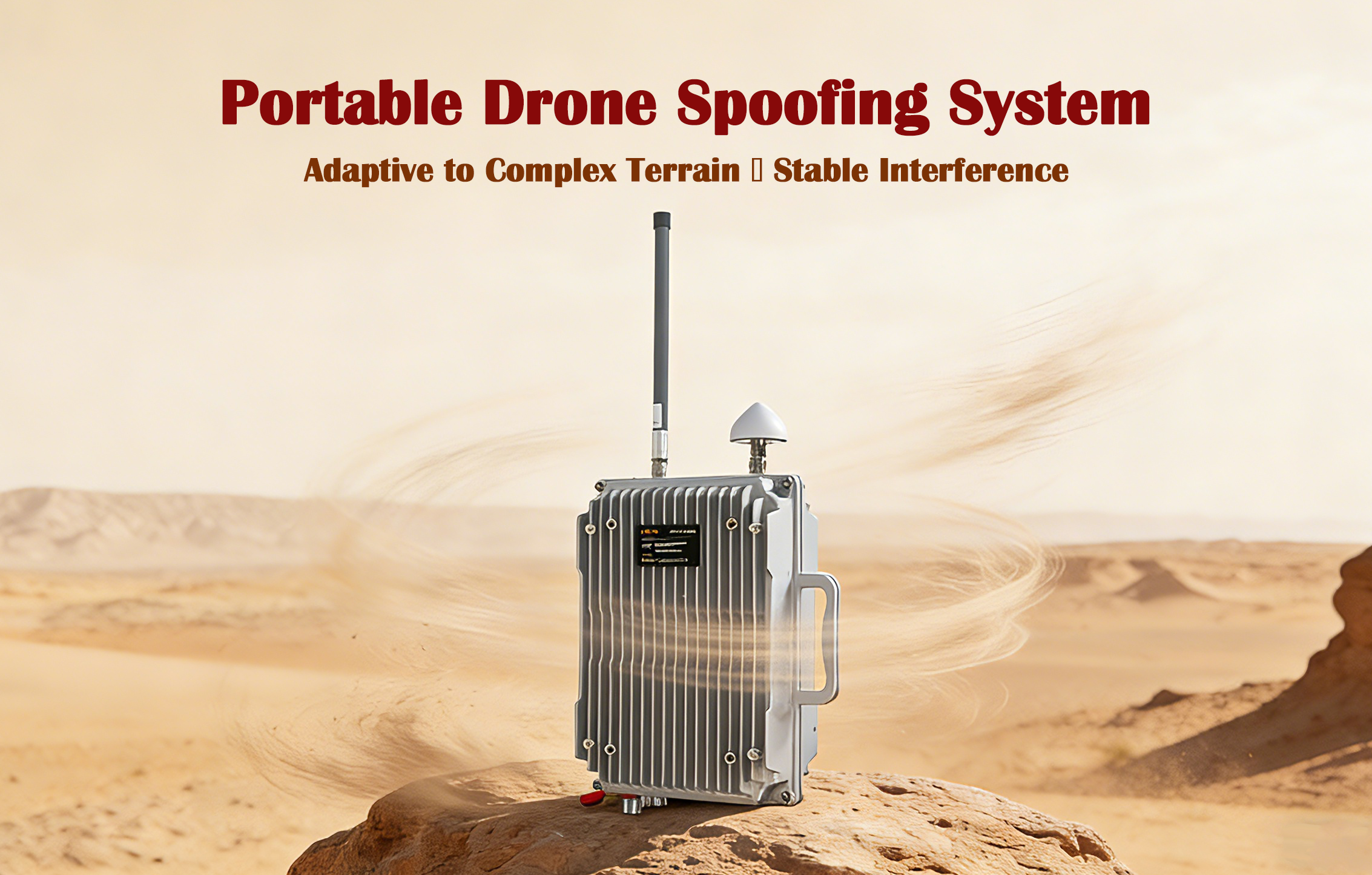
The market is expanding beyond traditional military and government clients. Commercial entities such as airports, data centers, prisons, and event security firms are now key adopters. This growth is catalyzed by more frequent drone-related disruptions and the decreasing cost of advanced technology. However, this expansion operates under intense regulatory scrutiny. In regions like the United States and the European Union, the use of jammers is heavily restricted, as signal interference can violate communications laws. Manufacturers and service providers must navigate a complex legal landscape, often promoting their systems for authorized, government-led use in designated security zones. This has spurred interest in “softer” mitigation technologies, like spoofing or takeover systems, which complement or sometimes replace pure jamming modules.
Operational Challenges and Future Outlook
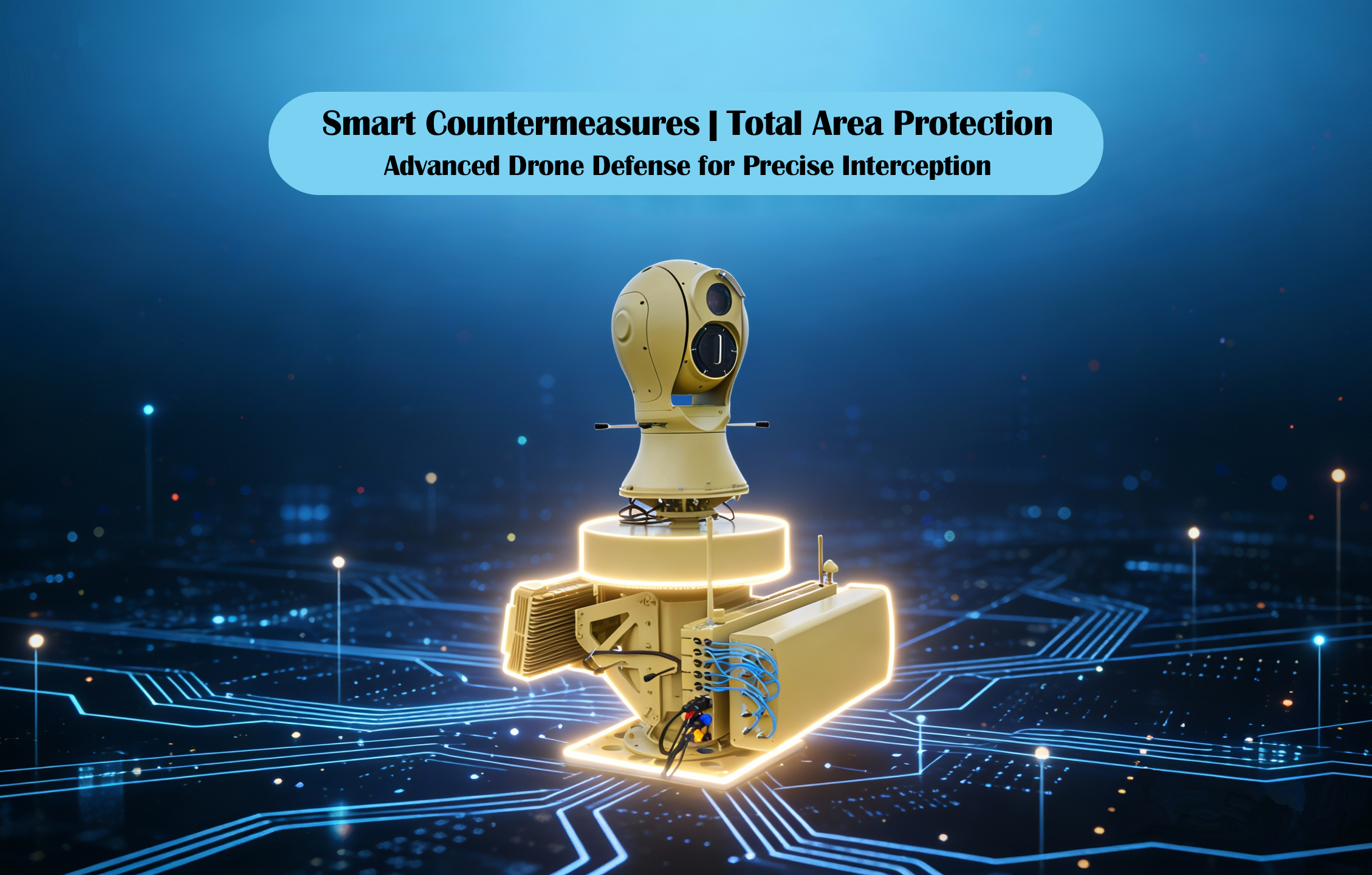
Operators face persistent challenges, including dealing with drones using autonomous navigation (pre-programmed flight paths immune to signal jamming) and the risk of disrupting essential communications. The future of the industry lies in integrated Counter-UAS (C-UAS) suites. These systems combine detection (radar, radio frequency sensors, electro-optics), identification, and a range of mitigation effects—including jamming, spoofing, and kinetic interceptors—into a single command platform. Interoperability and system hardening against electronic counter-countermeasures (ECCM) are becoming primary R&D focuses.
In conclusion, the drone jammer industry is rapidly maturing, driven by technological innovation and real-world necessity. Success hinges not only on developing more powerful and precise jamming hardware but also on creating intelligent, lawful, and integrated solutions that can adapt to an ever-evolving threat. The next phase will likely see greater consolidation between detection specialists and mitigation technology providers, delivering comprehensive aerial security ecosystems.
