



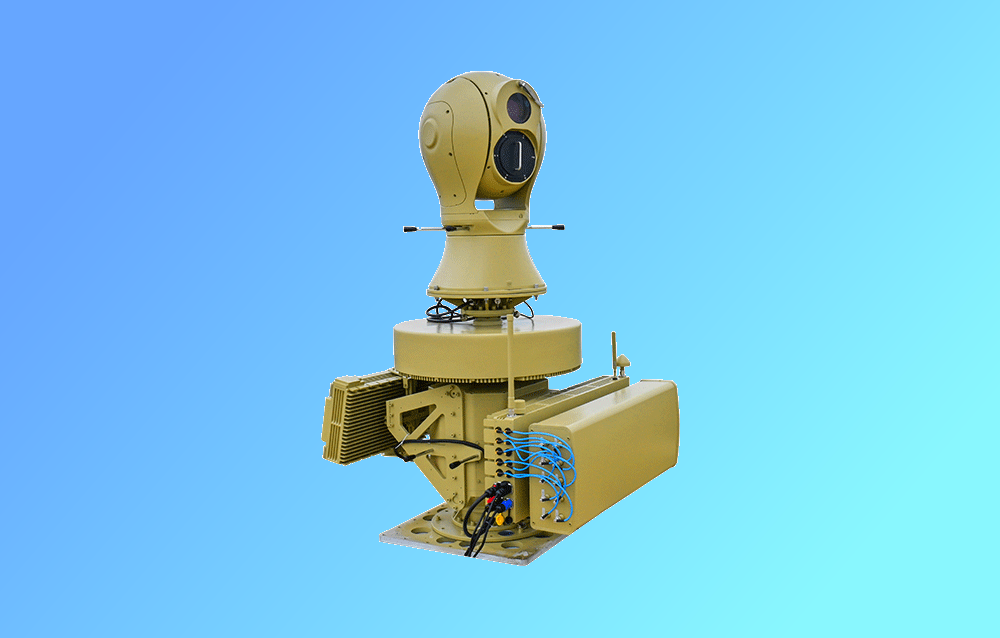
In October 2025, an airport restricted airspace monitoring system in Chengdu triggered an alert: an unregistered FPV racing drone was approaching the terminal building at 120 km/h. Security personnel immediately activated a counter-drone system. Within 3.6 seconds, the device automatically identified the target frequency band (433 MHz frequency-hopping protocol) and initiated precise directional interference. The drone landed safely in a designated security zone.
The entire process caused no disruption to airport communication systems. This was not only a technical success, but also a direct response to long-standing industry pain points.
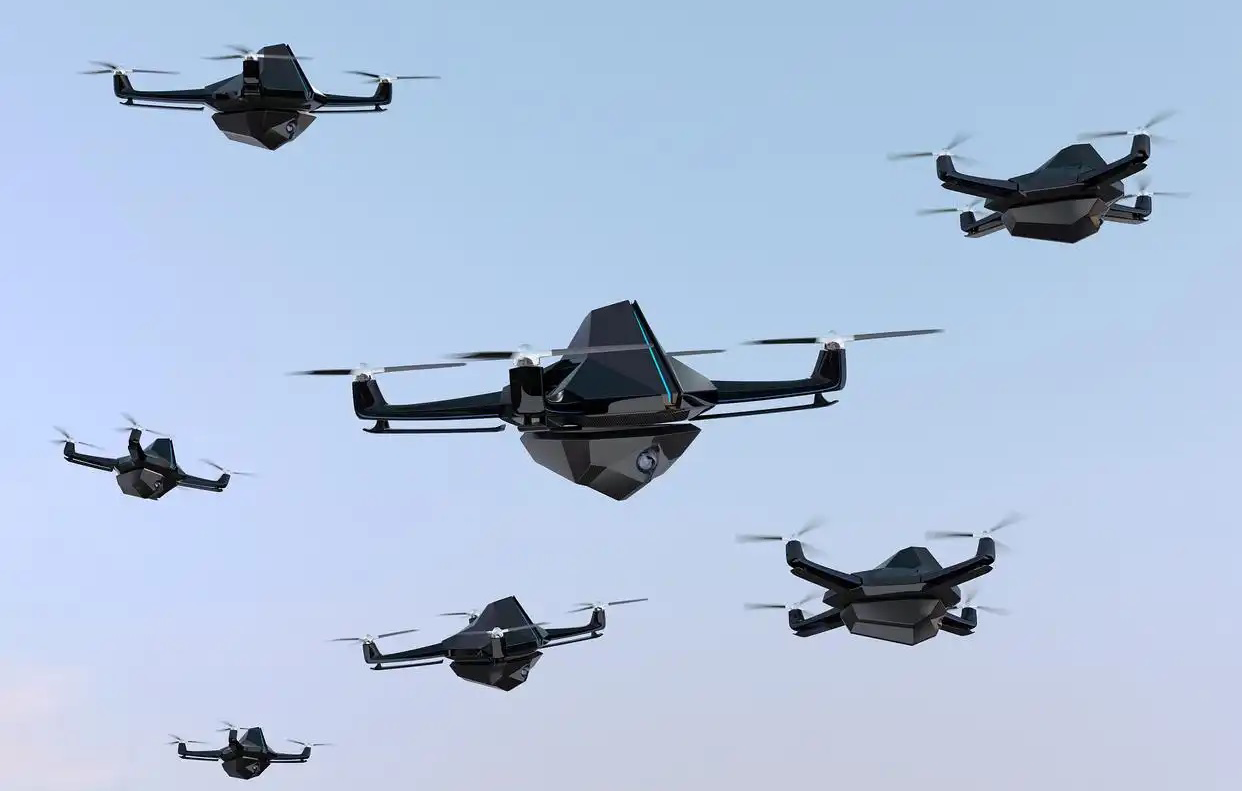
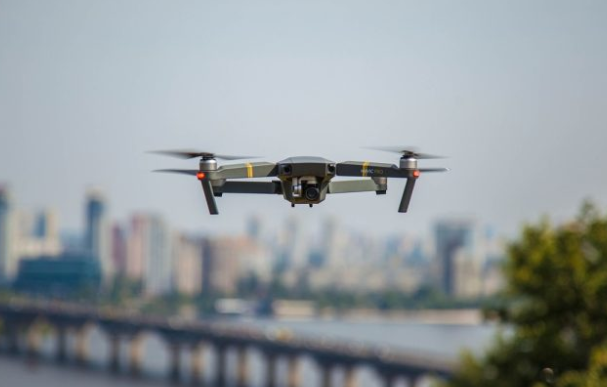
With the explosive growth of consumer drones and DIY FPV racing drones, unauthorized flights have become a growing public safety concern. In 2025, there were 427 recorded drone violation incidents nationwide, with 38.6% involving airports, energy facilities, and other critical infrastructure. Against this backdrop, the evolution of counter-drone technology—from electromagnetic jamming to navigation spoofing—has revealed several structural challenges.
1. The Limitations of Electromagnetic Jamming: Precision vs. Compliance
Electromagnetic (RF) jamming has long been the mainstream counter-drone approach. However, its shortcomings are becoming increasingly evident.
Limited Frequency Coverage
Traditional systems typically focus on 2.4 GHz and 5.8 GHz bands. They are ineffective against non-standard protocols such as 433 MHz frequency-hopping drones. In 2025, 433 MHz FPV drones accounted for 37.2% of detected incidents, while traditional jamming systems achieved a response success rate of less than 25%.
High Risk of Collateral Interference
Full-band suppression can unintentionally disrupt civil aviation communications. In 2025, a major hub airport experienced 12 flight delays after tower communications were affected by improper interference operations, resulting in multiple complaints.
Regulatory and Compliance Challenges
Regulations require “minimum necessary intervention” and prohibit indiscriminate suppression. As a result, conventional wide-band jamming systems have been restricted or suspended in several regions due to compliance concerns.
2. The Weaknesses of Navigation Spoofing: Applicability and Environmental Constraints
Navigation spoofing emerged as a more precise alternative to RF jamming. Yet it presents its own challenges.
Limited Target Applicability
Spoofing only works on drones equipped with GNSS modules (GPS or BeiDou). It is ineffective against non-GPS FPV racing drones, which represent 65% of non-standard devices.
Environmental Sensitivity
In complex electromagnetic environments, GNSS signals are vulnerable to interference. Spoofing success rates may drop below 65%. During a 2025 deployment at a nuclear power facility, GNSS interference caused two authorized drones to return abnormally.
Slower Response Time
Signal processing latency results in response times of 8–12 seconds, making spoofing less effective against fast-moving targets.
3. The “Binary Thinking” Trap in Technical Approaches
The industry has largely framed the debate as “jamming versus spoofing.”
-
RF jamming manufacturers emphasize fast response and broad coverage but often overlook collateral impact and compliance risks.
-
Navigation spoofing providers highlight precision and low electromagnetic impact but neglect the inability to handle non-GNSS drones.
This polarized approach limits practical effectiveness in real-world scenarios where hybrid threats are common. As one security director from a major energy enterprise noted:
“It’s not that we don’t trust the technology—we worry that the equipment won’t handle real-world threats.”
4. Intelligent Integrated Mitigation: A New Industry Benchmark
A new technical path—intelligent integrated mitigation—is emerging as a leading solution.
1. Full-Band Coverage: 445 MHz–6 GHz
Breaking traditional band limitations, this approach covers mainstream drones and non-standard 433 MHz protocols. The response success rate against 433 MHz FPV drones increased to 94.5%.
2. AI-Driven Decision Engine
An intelligent core automatically evaluates threat levels:
-
Low risk: Navigation spoofing for guided return
-
Medium risk: Low-power directional RF interference
-
High risk: Full-band high-power suppression
3. Second-Level Response (3–4 Seconds)
An integrated detection-and-intervention architecture enables seamless transition from identification to mitigation, significantly faster than the industry average of over 7 seconds.
4. Zero-Collateral Design
With sidelobe leakage below -45 dB and advanced phase control technology, interference energy is precisely directed, ensuring aviation communication safety.
5. Real-World Validation in Critical Scenarios
Civil Airports
During restricted airspace testing at Chengdu Shuangliu International Airport, 12 unauthorized drones were intercepted with an average response time of 3.8 seconds and zero impact on civil aviation communications.
Chemical Plants and Oil Depots
At a petrochemical facility, unauthorized nighttime aerial surveying incidents dropped by 92% after deployment. The device weighs less than 5 kg and supports single-operator portable use.
Nuclear Power Plants
In early 2026, three suspected reconnaissance incidents were handled in full compliance with nuclear electromagnetic compatibility standards.
Government Facilities
Navigation spoofing enabled safe guided return of misdirected drones, avoiding reputational risks associated with forced interference.
Additional key capabilities include:
-
Dual automatic and interactive modes
-
Real-time drone trajectory generation for legal evidence
-
Networked multi-device coordination
-
High dynamic range operation in complex electromagnetic environments
6. Industry Insight: From “Confrontation” to “Governance”
The evolution of counter-drone technology reflects a broader paradigm shift—from confrontation to governance.
-
Deeper technical integration: Jamming and spoofing are no longer mutually exclusive but intelligently switched.
-
Data-driven compliance: Automatic generation of flight logs and intervention records supports regulatory evidence requirements.
-
System-level governance: Integration with airspace management platforms enables a full-cycle closed loop—flight authorization, dynamic approval, anomaly detection, and automatic intervention.
Conclusion: The True Value of Technology Is Predictable Safety
In the context of low-altitude airspace governance, technological leadership is no longer defined by “how many frequencies can be jammed,” but by the ability to deliver reliable, compliant, and efficient solutions under complex constraints.
While the industry debates “jamming or spoofing,” the next generation of systems is learning to choose the optimal strategy automatically.
This is not only a technological advancement—it is a deep understanding of real user needs and the future direction of intelligent drone defense.
