
Fixed Drone Jamming Systems: Answers to Frequently Asked Questions
As drone technology becomes more accessible, the threat of unauthorized or “black fly” drones invading sensitive airspace has grown exponentially. Fixed drone jamming systems have emerged as a primary line of defense for protecting critical infrastructure, public venues, and private property. However, many people have questions about how these systems work, their limitations, and legal considerations.

This comprehensive FAQ guide addresses the most common questions about fixed drone jamming systems, drawing on industry expertise and technical knowledge to help you make informed decisions about drone defense solutions.
Understanding Fixed Drone Jamming Systems: The Basics
What exactly is a fixed drone jamming system?
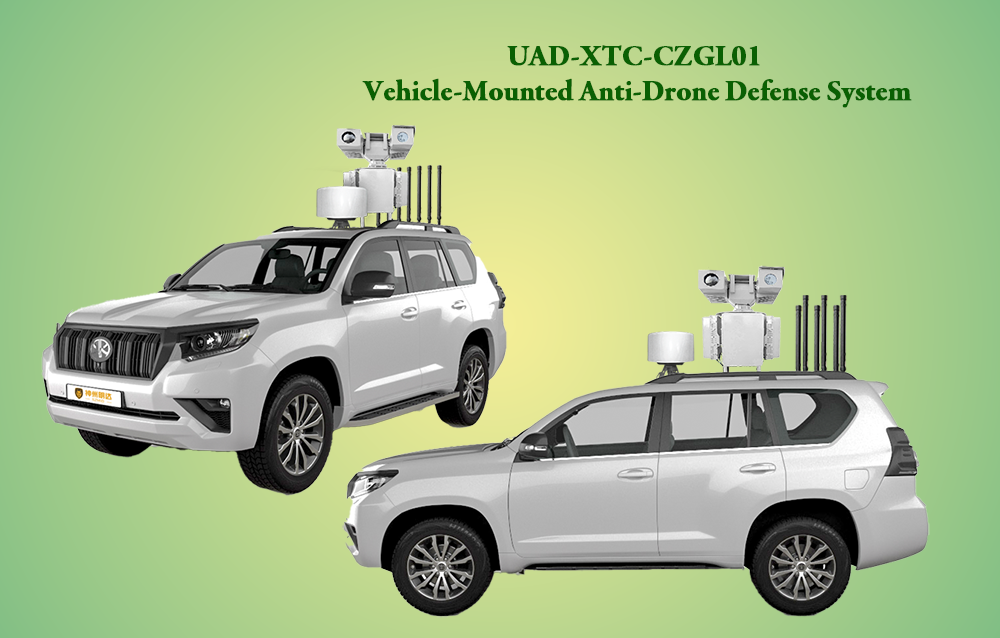
A fixed drone jamming system is a permanently installed counter-drone solution designed to protect a specific area or facility around the clock. Unlike portable jammers or handheld drone guns that require an operator to be present, fixed systems are mounted on rooftops, towers, or poles and operate continuously or automatically when threats are detected.
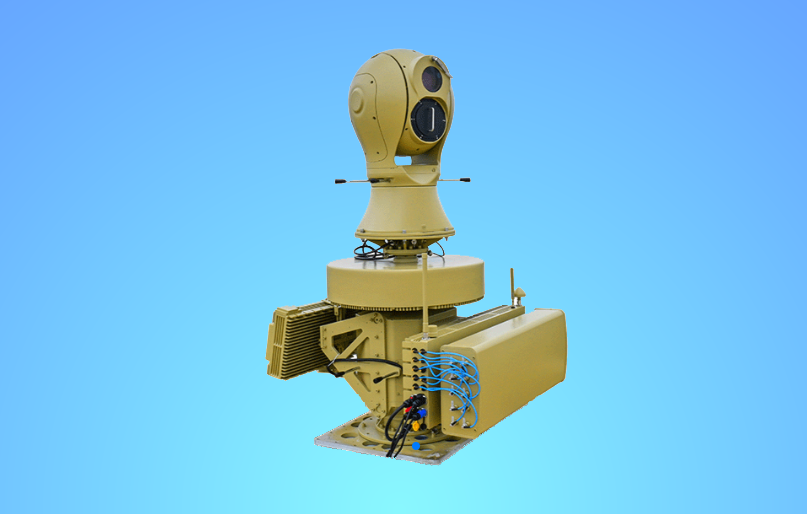
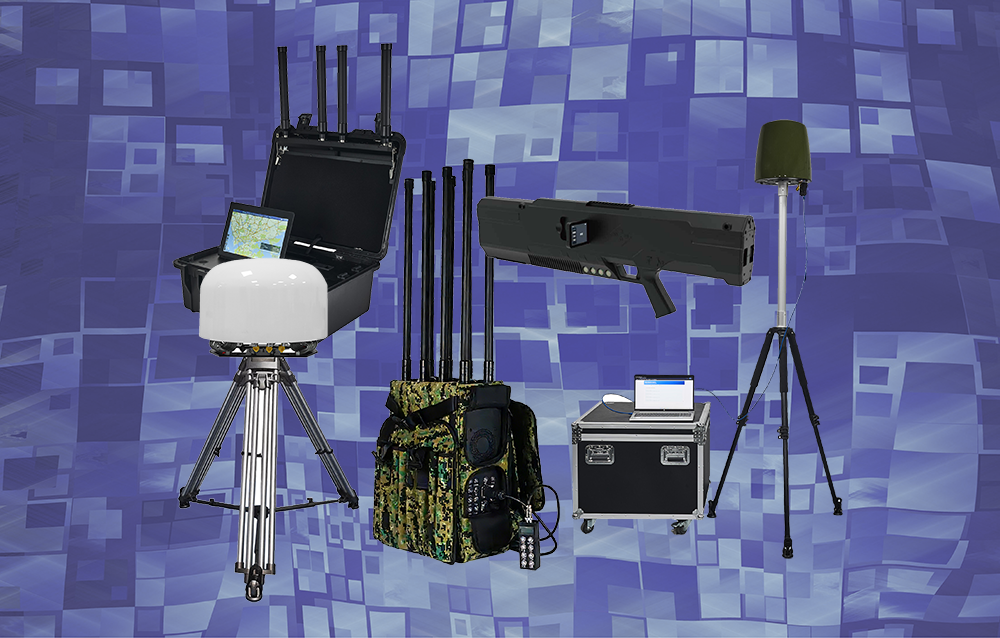
These systems typically integrate multiple functions into a single automated platform. Most modern fixed systems are “detect, disrupt, and deceive” integrated solutions that include:
-
Detection modules (passive radio frequency sensors that identify drones without emitting signals)
-
Disruption/jamming modules (active transmitters that block drone control and video signals)
-
Navigation deception modules (systems that broadcast fake GPS signals to misdirect drones)
-
Command and control platforms (software that manages the entire system and provides alerts)
How do fixed drone jammers work?
Fixed drone jammers work by emitting radio frequency (RF) signals that interfere with the communication links between a drone and its operator. When a drone enters the protected airspace, the system can disrupt its control and video transmission signals, forcing it to either return to its launch point, land immediately, or hover in place.
More advanced systems also incorporate navigation deception technology. This involves broadcasting forged satellite navigation signals (such as GPS or BeiDou) that are slightly stronger than the real ones. The drone’s navigation system receives these false signals and calculates incorrect position information, causing the drone to fly toward a designated safe area or deviate from its intended course.
What types of drones can fixed jammers counter?
Modern fixed jamming systems are designed to counter most commercially available drones and many industrial UAVs. The systems target the common communication frequencies used by drones, including:
-
2.4 GHz and 5.8 GHz (the ISM bands used for remote control and video transmission)
-
900 MHz, 433 MHz (used for long-range control and data links)
-
GPS, GLONASS, and BeiDou satellite navigation signals (L1, L2, L5 bands)
This frequency coverage makes fixed systems effective against popular consumer brands like DJI and Parrot, FPV racing drones, and many industrial UAVs. However, it’s important to note that drones operating on pre-programmed flight paths without active radio communication (fully autonomous drones) may not be affected by RF jamming alone.
What is the effective range of fixed jamming systems?
The effective range varies significantly depending on the system’s power, antenna design, and environmental conditions. Typical fixed installation systems can achieve:
-
Detection range: Up to 5 kilometers or more in clear line-of-sight conditions
-
Jamming/mitigation range: Typically 500 meters to 3 kilometers, depending on the model and local regulations
High-power military-grade systems may achieve longer ranges, but civilian and commercial systems are often power limited by radio regulations. Environmental factors such as buildings, terrain, trees, and electromagnetic interference from other sources can reduce effective range.
Technical Specifications and Performance
What frequencies do fixed jammers cover?
Professional fixed jamming systems typically cover a wide spectrum from around 20 MHz up to 6 GHz, encompassing all major drone communication and navigation bands. Key frequency bands include:
-
400-450 MHz: Long-range control links for some industrial drones
-
840-928 MHz: Used by some drone models for telemetry and control
-
2.4 GHz (2400-2483.5 MHz): The most common Wi-Fi based remote control and video frequency band
-
5.8 GHz (5725-5850 MHz): Common for high-definition video transmission and some control links
-
GPS L1 (1575.42 MHz) / GLONASS (1602 MHz) / BeiDou B1 (1561 MHz): Satellite navigation frequencies
Many systems offer modular designs where specific frequency modules can be added or customized based on the user’s needs and local drone threats.
Can fixed jammers distinguish between friendly and hostile drones?
Yes, modern fixed jamming systems incorporate sophisticated “friend-or-foe” identification capabilities through whitelist and blacklist management. This allows the system to:
-
Whitelist authorized drones: Drones used for legitimate purposes (security patrols, inspections, media coverage) can be registered in the system and will not trigger alerts or jamming responses
-
Blacklist known threats: Identified hostile drones can be automatically engaged
-
Grey area management: Unknown drones can be tracked and assessed before determining appropriate responses
This intelligent differentiation prevents unnecessary disruption of legitimate drone operations while maintaining security.
How quickly do fixed systems respond to drone threats?
Professional fixed jamming systems are designed for rapid response, typically detecting and identifying threats within 3 seconds of the drone entering monitored airspace. The entire “detect-identify-decide-disrupt” cycle can be completed in seconds, allowing for immediate countermeasures.
Systems with automated response capabilities can engage threats without human intervention based on pre-configured rules (such as electronic fence violations), ensuring that even fast-approaching drones are neutralized before they can reach protected assets.
Can these systems handle multiple drones at once?
Modern fixed jamming systems are increasingly capable of countering multiple drone threats simultaneously. High-end systems can track and process data from 40 or more drone targets concurrently. This multi-target capability is essential for defending against potential drone swarm attacks or managing busy airspace near protected facilities.
However, the jamming response itself may have limitations. Traditional jammers may struggle to simultaneously disrupt multiple drones operating on different frequencies, though advanced systems with multiple jamming modules and sophisticated software are improving in this area.
What is navigation deception technology and how is it different from jamming?
Navigation deception (also called “spoofing”) is an advanced counter-drone technique that goes beyond simple signal jamming. Rather than blocking signals, it broadcasts forged satellite navigation signals that trick the drone into believing it is somewhere it is not.
Key differences from traditional jamming:
-
Precision: Deception can guide drones to specific locations (e.g., safe landing zones) rather than just causing uncontrolled descent
-
Subtlety: The drone may not realize it is being manipulated, reducing the likelihood of the operator attempting countermeasures
-
Reduced collateral impact: Deception signals can be very low power (milliwatt level), minimizing interference with legitimate nearby devices
-
Controlled outcomes: Operators can choose whether to drive away or force-land the drone
This technology is particularly valuable in urban environments or airports where uncontrolled drone crashes could cause secondary damage or safety hazards.
Legal and Regulatory Considerations
Are fixed drone jammers legal?
The legality of drone jammers varies significantly by country and is subject to strict regulations in most jurisdictions. Important considerations include:
United States: The Federal Communications Commission (FCC) prohibits the use of jammers by civilians. Only authorized federal agencies (like the Department of Defense and Department of Homeland Security) may legally operate jammers. Violations can result in fines up to $112,500 and imprisonment.
European Union: Jammers are heavily restricted and generally require ETSI certification. They are typically only permitted for government/military use or specific approved scenarios such as counter-terrorism operations.
China: Fixed jamming systems require radio type approval (SRRC certification), and operators must hold appropriate credentials. Unauthorized use can result in detention or fines under the Public Security Administration Punishment Law.
Critical consideration: Even where jammers are legal for certain users, they must be operated in compliance with radio regulations to avoid interfering with licensed communications (emergency services, aviation, cellular networks, etc.).
What about using navigation deception technology?
Navigation deception (GPS spoofing) faces even stricter scrutiny in many jurisdictions because of its potential to disrupt critical infrastructure that relies on GPS timing and positioning. In airport environments, for example, navigation deception must typically coordinate with air traffic control systems to avoid interfering with aviation safety.
Facilities considering navigation deception systems should:
-
Consult with telecommunications regulators before deployment
-
Ensure systems can be precisely targeted to avoid affecting neighboring areas
-
Consider integrating with national or regional low-altitude flight comprehensive supervision platforms
Can jammers interfere with my own equipment or neighboring facilities?
Yes, this is a significant concern. Jammers emit powerful radio signals that can potentially affect:
-
Wi-Fi networks and Bluetooth devices operating on similar frequencies
-
Cellular communications (particularly if the jammer lacks precision filtering)
-
GPS receivers in nearby vehicles, devices, or infrastructure
-
Emergency services communications
Professional fixed systems address this through several design features:
-
Directional antennas that focus energy toward threat areas rather than broadcasting omni-directionally
-
Precision filtering that targets only drone-specific frequencies while avoiding adjacent bands used by legitimate services
-
Power control to minimize energy use and stray emissions
-
Site surveys during installation to identify sensitive equipment and adjust placement accordingly
Installation and Maintenance
How are fixed jamming systems installed?
Fixed jamming system installation typically involves several professional steps:
-
Site assessment: Engineers evaluate the facility layout, identify vulnerable areas, measure existing electromagnetic environment, and determine optimal equipment placement
-
Equipment mounting: Systems are typically installed on rooftops, dedicated towers, or poles at heights that provide clear line-of-sight to potential threat approaches
-
Cabling and integration: Power and network connections are run to the equipment, and the system is integrated with existing security infrastructure (CCTV, access control, alarm systems)
-
Configuration: Software is configured with electronic fence boundaries, whitelists/blacklists, automated response rules, and alert parameters
-
Testing and validation: Comprehensive testing confirms coverage, response times, and absence of interference with legitimate systems
Many manufacturers offer turnkey installation services or work with certified integration partners to ensure proper deployment.
What maintenance do fixed jamming systems require?
Fixed systems are designed for reliable 24/7 operation with minimal maintenance, but regular care extends equipment life and ensures optimal performance:
Routine maintenance tasks:
-
Visual inspections of antennas, enclosures, and mounting hardware
-
Cleaning of equipment to remove dust, debris, and environmental contaminants
-
Checking cable connections for tightness and corrosion
-
Verifying that cooling systems (fans, vents) are unobstructed
Periodic maintenance:
-
Software updates to address vulnerabilities and improve performance
-
Calibration checks for detection sensitivity and positioning accuracy
-
Performance testing against known drone targets
-
Battery backups testing (if applicable)
Environmental considerations:
Professional fixed systems are typically rated IP65 or IP66, meaning they are protected against dust and water jets, allowing them to withstand rain, snow, and wind. They are designed to operate in temperatures ranging from -20°C to +55°C, making them suitable for most climates.
Can fixed systems be integrated with my existing security infrastructure?
Yes, most professional fixed jamming systems are designed for easy integration with existing security platforms. They typically offer:
-
Standard network interfaces (TCP/IP) for connection to security networks
-
API access for custom integration with video management systems (VMS), access control, and alarm monitoring platforms
-
Relay outputs for triggering external alarms or lights
-
SIP/H.264 video streaming if equipped with cameras for visual verification
-
Compatibility with radar, acoustic sensors, and other detection technologies for multi-layered defense
This interoperability allows facilities to add drone defense capabilities to their existing security operations center (SOC) without requiring separate monitoring stations.
Selecting the Right Solution
How do I determine if I need a fixed jamming system?
Consider a fixed jamming system if your facility:
-
Requires 24/7 protection against drone threats
-
Has defined boundaries that remain constant over time
-
Is large enough that portable/manual response would be impractical
-
Has personnel who cannot be dedicated to drone monitoring full-time
-
Faces credible drone threats based on risk assessment
-
Has the legal authority to deploy countermeasures in your jurisdiction
Common facilities that benefit from fixed systems include airports, nuclear power plants, government buildings, military installations, prisons, data centers, stadiums, and corporate campuses.
What factors should I consider when choosing a fixed jamming system?
Technical factors:
-
Detection range and accuracy (look for ≤2 meter positioning error)
-
Frequency coverage (ensure it covers the drone types common in your region)
-
Response time (should be under 5 seconds for critical applications)
-
Multi-target capacity (consider future threat evolution)
-
Integration capabilities with existing systems
Operational factors:
-
Automated vs. manual operation requirements
-
Alerting and reporting features
-
Ease of use for security personnel
-
Training and support from manufacturer
Regulatory factors:
-
Compliance with local telecommunications laws
-
Certification status (SRRC, FCC, CE as applicable)
-
Permissible use cases in your jurisdiction
Environmental factors:
-
Operating temperature range (ensure it matches your climate)
-
Weather protection rating (IP65/IP66 recommended for outdoor use)
-
Power requirements and backup options
What is the typical cost of a fixed jamming system?
Costs vary widely based on system capabilities, coverage area, and installation complexity:
-
Basic systems for smaller facilities may range from $25,000 to $50,000
-
Mid-range systems with integrated detection and jamming typically cost $50,000 to $150,000
-
Advanced “detect and deceive” systems with multi-sensor integration and sophisticated software range from $150,000 to $500,000+
-
Enterprise deployments covering large facilities with multiple units and custom integration can exceed $1 million
Note that these are approximate figures; actual costs depend on specific requirements, site surveys, and negotiation with vendors. Factor in ongoing costs for maintenance, software updates, and potential future upgrades.
Should I consider portable jammers instead of fixed systems?
The choice between fixed and portable systems depends on your specific needs:
Choose fixed systems when:
-
You need continuous, unattended protection
-
Your protected area has stable, defined boundaries
-
You want automated response without requiring personnel to be present
-
The threat level justifies permanent installation
Choose portable systems (handheld jammers) when:
-
You need flexibility to respond to drones in different locations
-
Your budget is limited
-
You have trained personnel available to operate equipment
-
Protection needs are occasional rather than continuous
Many organizations use a layered approach, deploying fixed systems for perimeter protection while maintaining portable units for mobile response and special events.
Troubleshooting and Common Issues
What causes fixed jamming systems to perform poorly?
Common performance issues and their causes include:
Hardware problems:
-
Amplifier modules degrading over time from continuous high-power operation
-
Antenna damage from weather or impacts
-
Loose cable connections causing intermittent operation
-
Overheating from inadequate cooling or blocked vents
Environmental factors:
-
New construction or vegetation blocking line-of-sight
-
Nearby radio transmitters (new cell towers, broadcast stations) causing interference
-
Extreme weather affecting propagation
-
Changes in terrain or facility layout
Software issues:
-
Outdated drone signature databases missing new models
-
System bugs or compatibility issues after updates
-
Configuration errors in electronic fence definitions
Operational problems:
-
Untrained personnel misusing the system
-
Lack of regular maintenance allowing gradual degradation
-
Failure to update threat libraries as new drones appear
How do I troubleshoot a system that isn’t jamming effectively?
Follow this systematic approach:
-
Verify the threat: Confirm the drone is within the system’s effective range and not shielded by buildings or terrain
-
Check system status: Ensure the jammer is powered on and not in standby or test mode
-
Inspect hardware: Look for antenna damage, loose cables, or environmental blockages
-
Review logs: Check system logs for error messages, unusual events, or frequency conflicts
-
Test with known targets: If safely possible, test with a cooperative drone to verify functionality
-
Consult with manufacturer: Many vendors offer remote diagnostics and support
Regular preventive maintenance and operator training prevent many common issues from occurring in the first place.
How often should I update my system?
To maintain effectiveness:
-
Drone signature databases: Update quarterly or whenever new drone models appear in your region
-
Firmware/software: Apply manufacturer updates when released (typically 2-4 times per year)
-
Hardware: Consider major upgrades every 5-7 years as drone technology evolves
-
Threat assessments: Review annually to ensure your system matches current risks
Systems that connect to cloud-based threat intelligence services may receive automatic updates, ensuring protection against emerging drone threats without manual intervention.
Future Developments
What trends are shaping the future of fixed jamming systems?
The industry is evolving rapidly with several key trends:
Artificial intelligence integration: AI is improving target identification, reducing false alarms, and enabling more sophisticated automated responses based on behavior analysis
Protocol-level hacking: Rather than brute-force jamming, some systems now exploit drone communication protocols to take control of hostile drones
Multi-sensor fusion: Combining RF detection with radar, optics, acoustic sensors, and thermal imaging for more reliable threat assessment
Cognitive radio techniques: Systems that automatically adapt their frequency response based on real-time spectrum analysis
Directed energy integration: Some facilities are adding laser or high-power microwave systems to their drone defense arsenal, particularly for military applications
Regulatory evolution: Governments are developing clearer frameworks for counter-drone operations, potentially expanding legal deployment options
Will jammers become obsolete as drones become more advanced?
While drone technology advances, countermeasures evolve in parallel. However, certain trends present challenges:
-
Autonomous drones operating on pre-programmed paths without continuous communication may resist RF jamming
-
Frequency hopping and spread spectrum techniques make jamming more difficult
-
Military-grade encryption and anti-jamming algorithms challenge conventional jammers
-
Swarm tactics overwhelm systems designed for limited numbers of targets
The response is layered defense combining multiple technologies: detection, jamming, deception, and potentially kinetic options for the most serious threats. The future likely belongs to intelligent systems that can adapt to threats rather than single-function jammers.
Conclusion
Fixed drone jamming systems represent a mature and increasingly sophisticated solution for protecting sensitive facilities from unauthorized drone incursions. By understanding their capabilities, limitations, and legal considerations, security professionals can make informed decisions about incorporating this technology into their overall security architecture.
As drone threats continue to evolve, so too will countermeasure technologies. The most effective approach combines appropriate technology with trained personnel, clear procedures, and compliance with applicable regulations. Whether protecting airports from disruptive drone sightings or safeguarding corporate assets from industrial espionage, fixed anti-drone systems offer reliable, automated protection for the long term.
For specific guidance on selecting and implementing a fixed jamming system for your facility, consult with qualified security professionals and authorized vendors who can assess your unique requirements and regulatory environment.
