
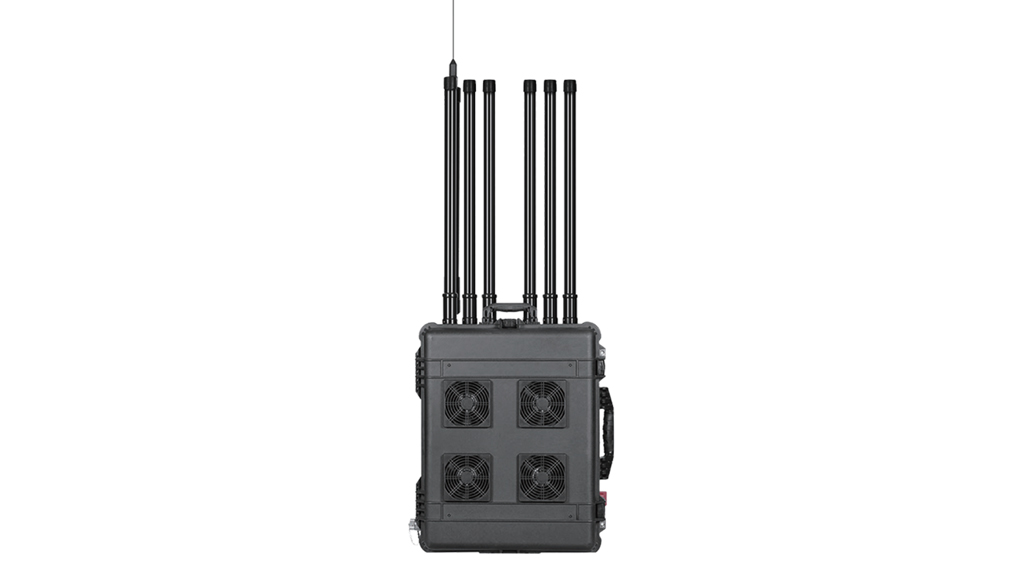

As drone technology becomes more advanced and accessible, the need for stronger and more reliable countermeasures continues to grow. In high-risk environments such as airports, military bases, energy facilities, and large public events, standard low-power solutions may not provide sufficient coverage. This is where high power drone jammer modules play a critical role.
This complete guide explains what high power drone jammer modules are, how they work, their advantages, and what to consider when integrating them into a counter-UAS system.
What Are High Power Drone Jammer Modules?
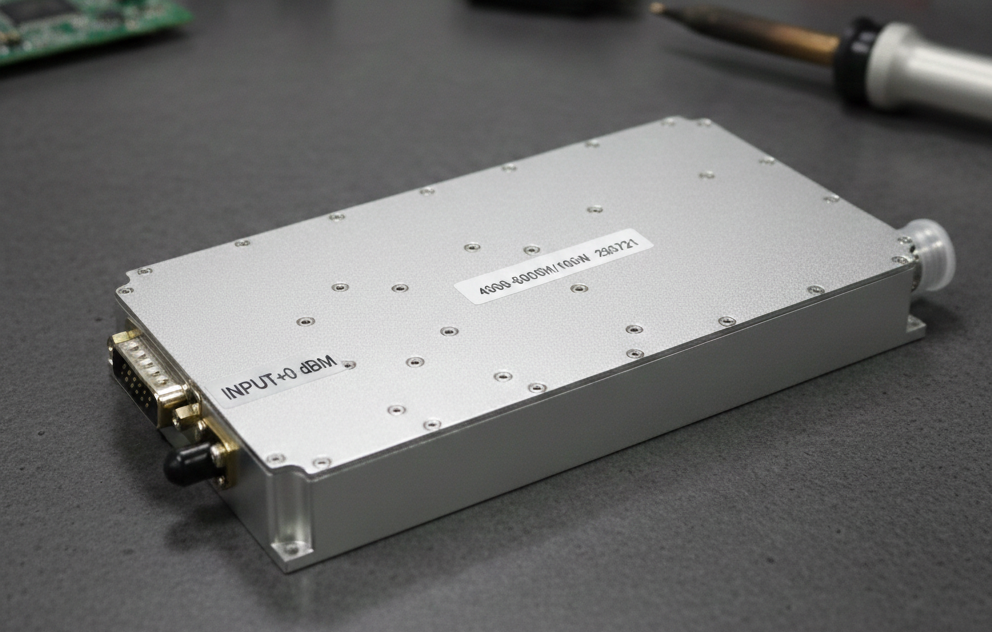
High power drone jammer modules are RF (radio frequency) interference units designed to disrupt communication, navigation, or video transmission links between a drone and its operator. Compared to lower power modules, they deliver stronger output power—typically 50W, 100W, 200W, or higher—allowing extended operational range and improved signal suppression.
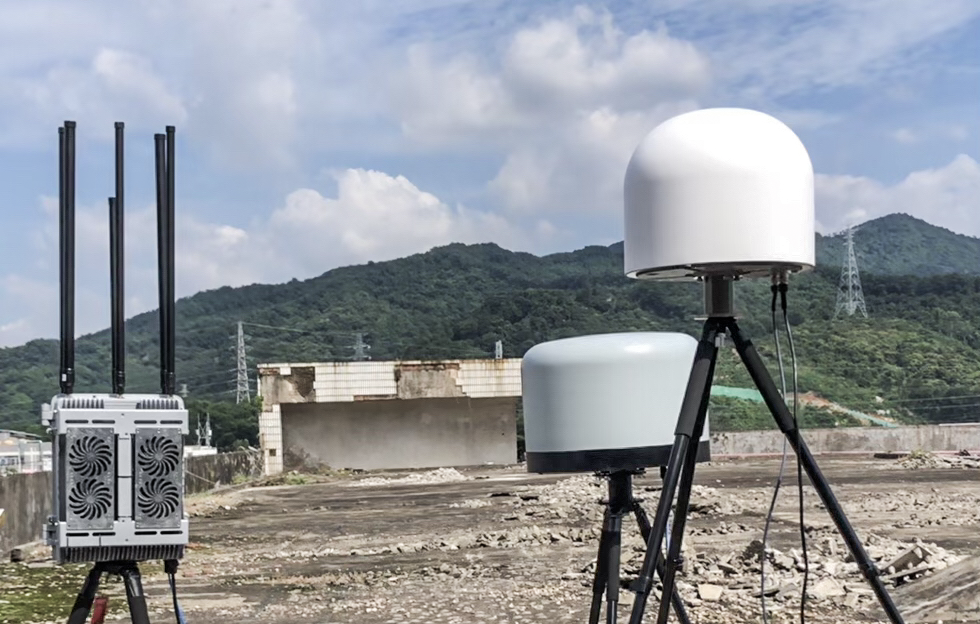
These modules are usually integrated into larger anti-drone systems, including:
-
Fixed-site counter-UAS installations
-
Vehicle-mounted defense platforms
-
Portable high-performance jammer units
-
Modular airspace security systems
How High Power Drone Jammer Modules Work
Drone jammer modules operate by transmitting targeted RF interference within specific frequency bands commonly used by UAVs, such as:
-
433MHz
-
900MHz
-
1.2GHz
-
2.4GHz
-
5.8GHz
When interference overlaps with the drone’s control or data transmission frequency, communication between the drone and the remote controller becomes unstable or completely disrupted. Depending on the drone’s programming, it may:
-
Return to home (RTH)
-
Hover in place
-
Land automatically
-
Lose control signal
High power modules increase the effective jamming radius and enhance suppression reliability in complex electromagnetic environments.
Key Features of High Power Drone Jammer Modules
1. Strong RF Output Power
Higher wattage output improves coverage distance and penetration capability, particularly in urban or industrial environments where signal reflection and interference are common.
2. Wide Frequency Coverage
Many high power drone jammer modules support customizable frequency bands, allowing operators to target specific UAV communication channels.
3. Modular Integration Design
Most professional modules are designed for easy integration with detection systems, radar platforms, and centralized command software.
4. Thermal Management and Protection
Because high power RF output generates heat, these modules often include:
-
Advanced heat sinks
-
Forced-air cooling systems
-
Over-temperature protection
-
Over-voltage protection
Reliable thermal design ensures stable long-term operation.
Advantages of High Power Drone Jammer Modules
Extended Operational Range
Higher power allows effective signal disruption over larger areas, making them suitable for perimeter security and wide-area defense.
Enhanced Reliability in Complex Environments
Urban structures, metal facilities, and terrain obstacles can weaken RF performance. High power modules compensate for signal attenuation and environmental interference.
Multi-Scenario Adaptability
High power drone jammer modules can be deployed in:
-
Airports and aviation security
-
Government facilities
-
Military and defense zones
-
Critical infrastructure sites
-
Large-scale event venues
Their scalability makes them suitable for both permanent and temporary installations.
Design Considerations Before Deployment
Deploying high power drone jammer modules requires careful planning.
1. Frequency Planning
Operators must identify the target UAV frequency bands to avoid unnecessary interference and ensure effective suppression.
2. Power Supply Requirements
High power modules often require stable 24–28V or higher DC power input. Proper power management and backup systems are essential.
3. Cooling and Environmental Conditions
Adequate ventilation and environmental protection (dust, humidity, temperature) are necessary for long-term reliability.
4. Legal and Regulatory Compliance
RF jamming is strictly regulated in many countries. Always ensure deployment complies with local laws and authorized operational guidelines.
Integration with Counter-UAS Systems
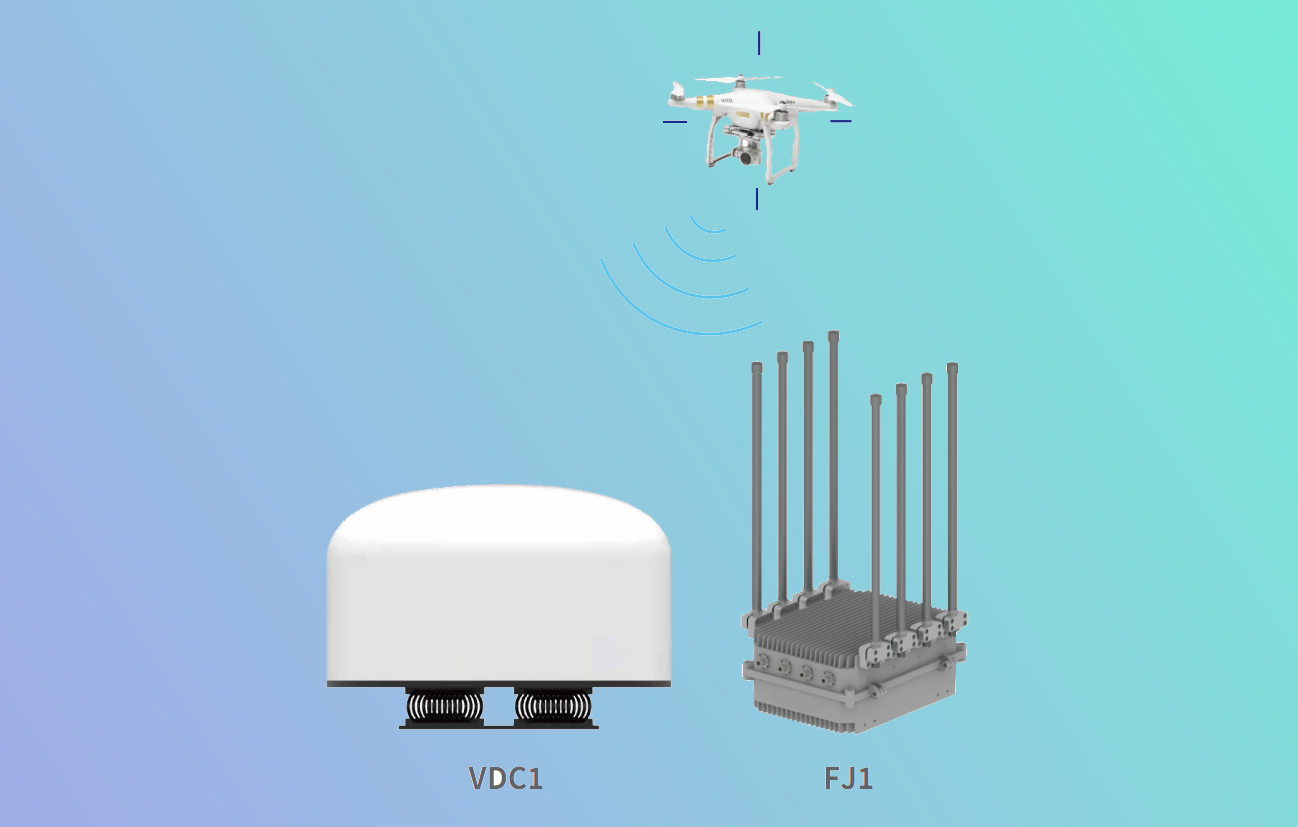
High power drone jammer modules are most effective when integrated into a layered defense architecture, including:
-
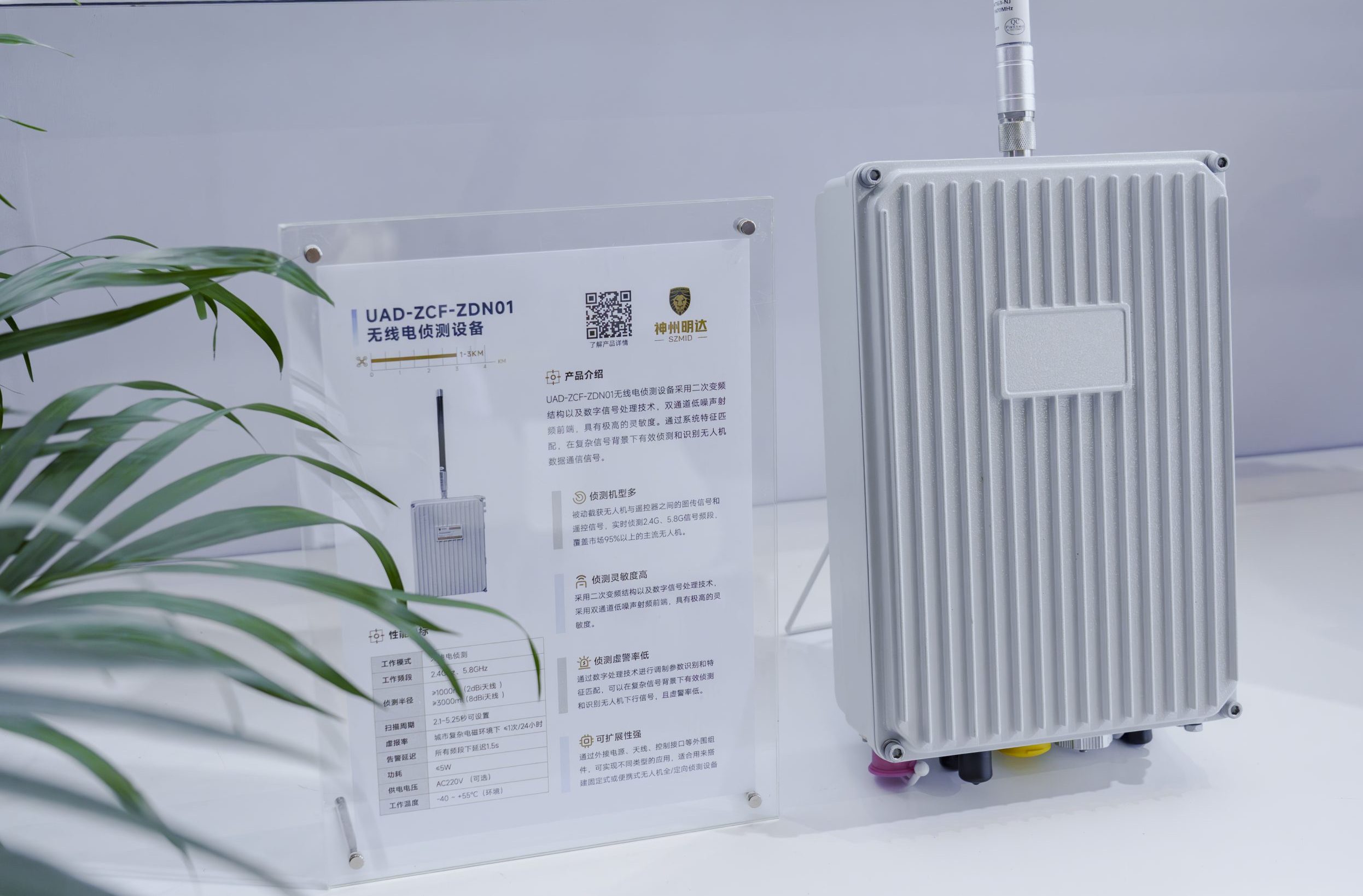
RF detection and direction finding
-
Radar tracking systems
-
Optical identification cameras
-
Centralized command and control (C2) software
This layered approach enables early detection, accurate identification, and controlled activation of countermeasures, minimizing false responses.
Choosing the Right High Power Drone Jammer Module
When selecting a module, consider:
-
Required output power level
-
Frequency customization capability
-
Size and integration compatibility
-
Cooling system design
-
Manufacturer reliability and technical support
A well-designed module should balance power output, efficiency, and system stability.
Conclusion
High power drone jammer modules are a critical component of modern counter-UAS technology. They provide extended coverage, improved reliability, and flexible integration options for protecting sensitive airspace.
However, their effectiveness depends on proper frequency planning, system integration, and regulatory compliance. When carefully deployed as part of a layered defense strategy, high power drone jammer modules offer a robust solution for managing evolving drone threats.
