
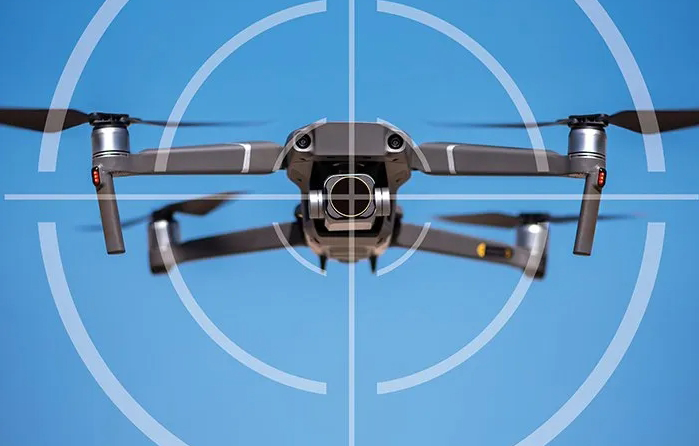

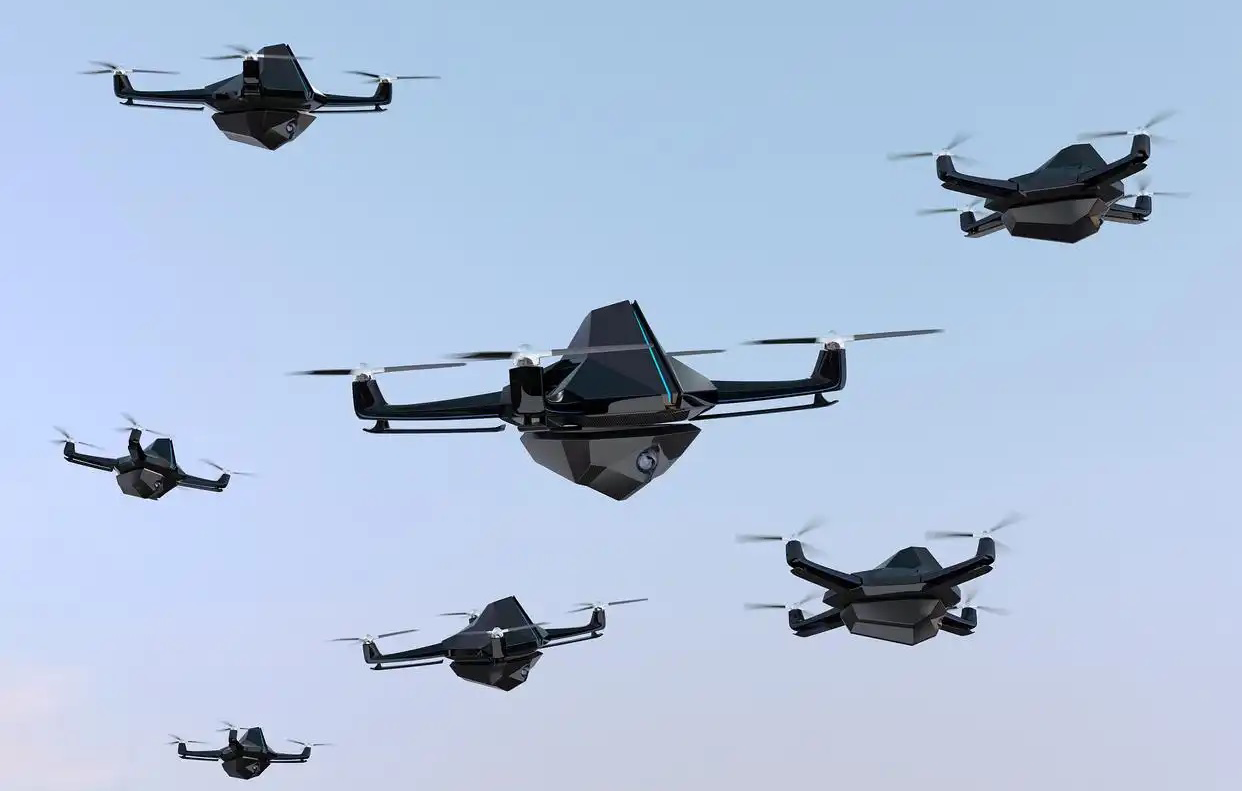
With the rapid advancement of drone technology, unmanned aerial vehicles (UAVs) are now widely used in aerial photography, agriculture, logistics, infrastructure inspection, and emergency response. While drones offer significant benefits, their unauthorized or illegal use has introduced new public safety risks.
Unauthorized drone flights can invade personal privacy, disrupt restricted airspace, and threaten critical infrastructure and populated areas. To address these challenges, counter-drone equipment has become an essential solution for protecting low-altitude airspace and ensuring security.
This article explains how counter-drone equipment works, its main types, applications, and future development trends.
Working Principles of Counter-Drone Equipment
Counter-drone equipment protects airspace by detecting, disrupting, misleading, or intercepting unauthorized drones. The most common countermeasure methods include signal jamming, GPS spoofing, physical interception, and directed energy systems.
Signal Jamming
Signal jamming is one of the most widely used and effective counter-drone methods. It works by transmitting electromagnetic interference signals to disrupt communication between the drone and its remote controller.
When the communication link is interrupted, the drone may:
-
Lose control
-
Hover in place
-
Automatically return to its operator
-
Land safely
Signal jamming is especially effective against small and medium-sized drones. It is also relatively cost-effective and easy to deploy.
GPS Spoofing
GPS spoofing works by transmitting fake satellite navigation signals to mislead the drone’s navigation system. As a result, the drone receives incorrect positioning information.
This can cause the drone to:
-
Change its flight path
-
Exit restricted areas
-
Land automatically
-
Fail to reach its intended destination
GPS spoofing is particularly effective against drones that rely heavily on satellite navigation for autonomous flight.
Physical Interception
Physical interception involves capturing drones using mechanical methods such as net launchers. These systems can be deployed from ground-based or aerial platforms.
Net interception is:
-
Cost-effective
-
Reliable for short-range defense
-
Suitable for low-speed and low-altitude drones
However, this method has limited range and is typically used in controlled environments.
High-Energy Laser Systems
High-energy laser technology is considered an advanced solution for drone defense, especially against small and medium-sized UAVs.
Laser systems can:
-
Destroy drones quickly and accurately
-
Provide precise targeting
-
Reduce operational costs per engagement compared to traditional weapons
Although laser systems offer significant advantages, their initial deployment cost remains relatively high.
Types and Applications of Counter-Drone Equipment
Counter-drone systems can be categorized based on their deployment methods and operational roles.
Handheld Drone Jammers
Handheld counter-drone devices are portable and easy to operate. They are commonly used by security personnel and small protection teams.
These devices typically work by transmitting interference signals to disrupt drone communication and navigation systems. Handheld drone jammers can force drones to return, land, or lose control, making them effective for short-range protection.
Typical applications include:
-
Event security
-
VIP protection
-
Law enforcement operations
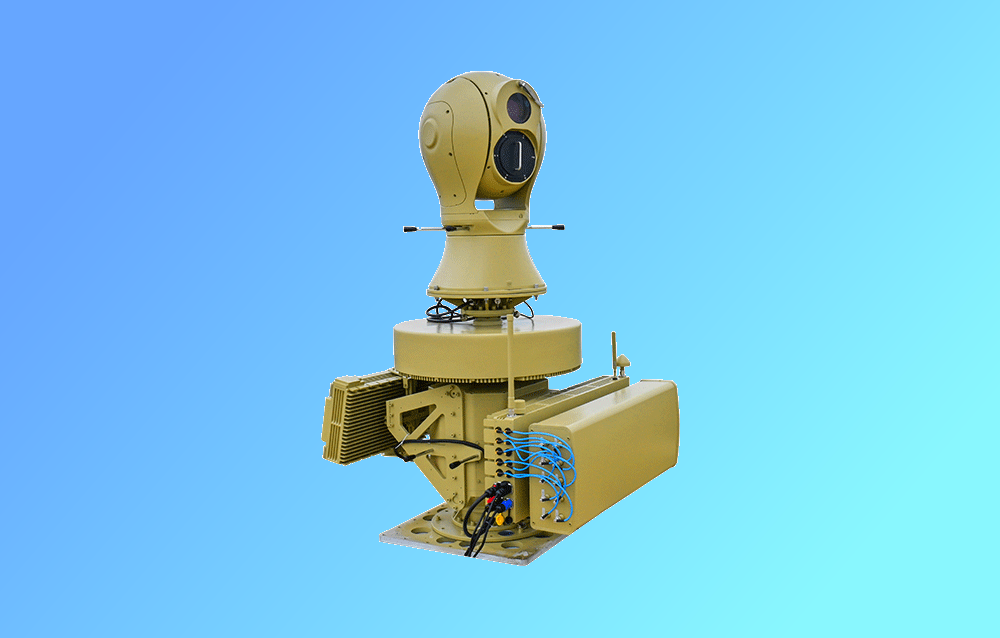
Fixed Counter-Drone Systems
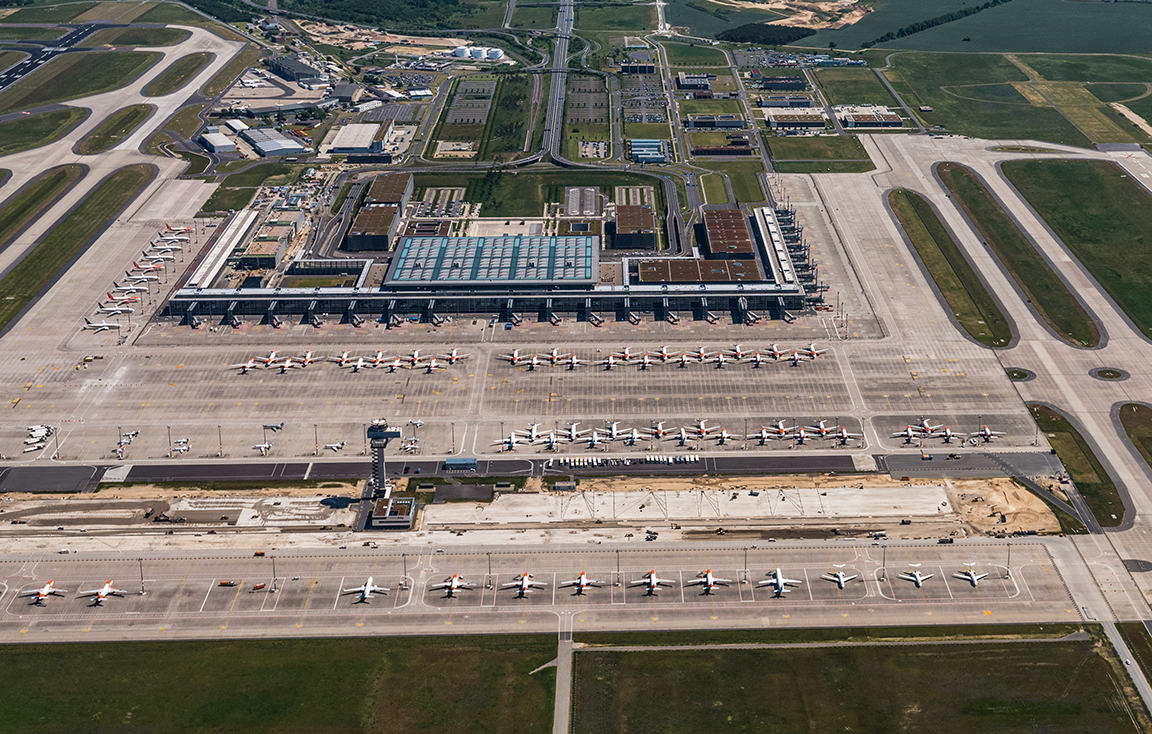
Fixed counter-drone systems are installed at permanent locations to protect sensitive areas such as:
-
Airports
-
Military bases
-
Government buildings
-
Prisons
-
Power plants
These systems provide continuous monitoring and protection. They often integrate radar, optical sensors, and jamming modules to detect and neutralize drone threats in real time.
Mobile Counter-Drone Systems
Mobile counter-drone systems are mounted on vehicles and can be deployed quickly in different locations. These systems are suitable for dynamic environments such as:
-
Border patrol operations
-
Major public events
-
Military missions
-
Temporary security zones
Mobile systems typically integrate detection, tracking, and jamming capabilities, providing flexible and comprehensive protection.
Future Development of Counter-Drone Technology
As drone technology continues to evolve, counter-drone systems are becoming more intelligent, precise, and efficient.
Future advancements will include:
-
Artificial intelligence for automatic drone identification
-
Computer vision for real-time tracking
-
Multi-sensor fusion using radar, infrared, and optical systems
-
Automated threat response systems
-
Lightweight and portable counter-drone solutions
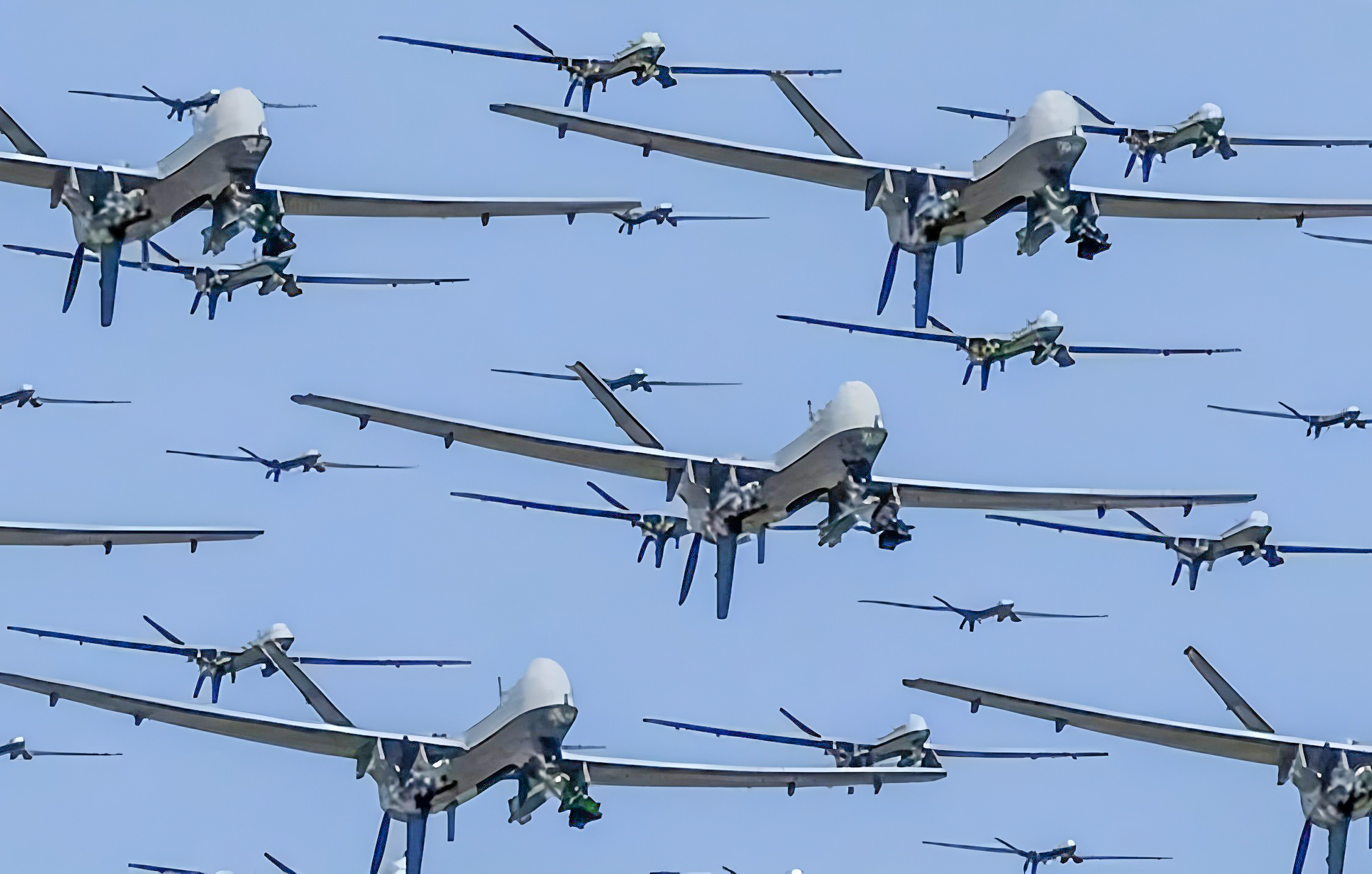
In addition, new countermeasure technologies will be developed to address emerging threats such as micro drones and drone swarms. These threats require more advanced detection and interference capabilities.
Government agencies and private organizations must continue investing in counter-drone technologies to maintain effective airspace security and prevent illegal drone activities.
Conclusion
Counter-drone equipment plays a vital role in protecting public safety and maintaining secure airspace. By using technologies such as signal jamming, GPS spoofing, and physical interception, these systems can effectively defend against unauthorized drones.
As technology continues to advance, counter-drone equipment will become more intelligent, portable, and efficient. Ongoing innovation and deployment of counter-drone solutions will help ensure safe, controlled, and secure airspace for the future.
