
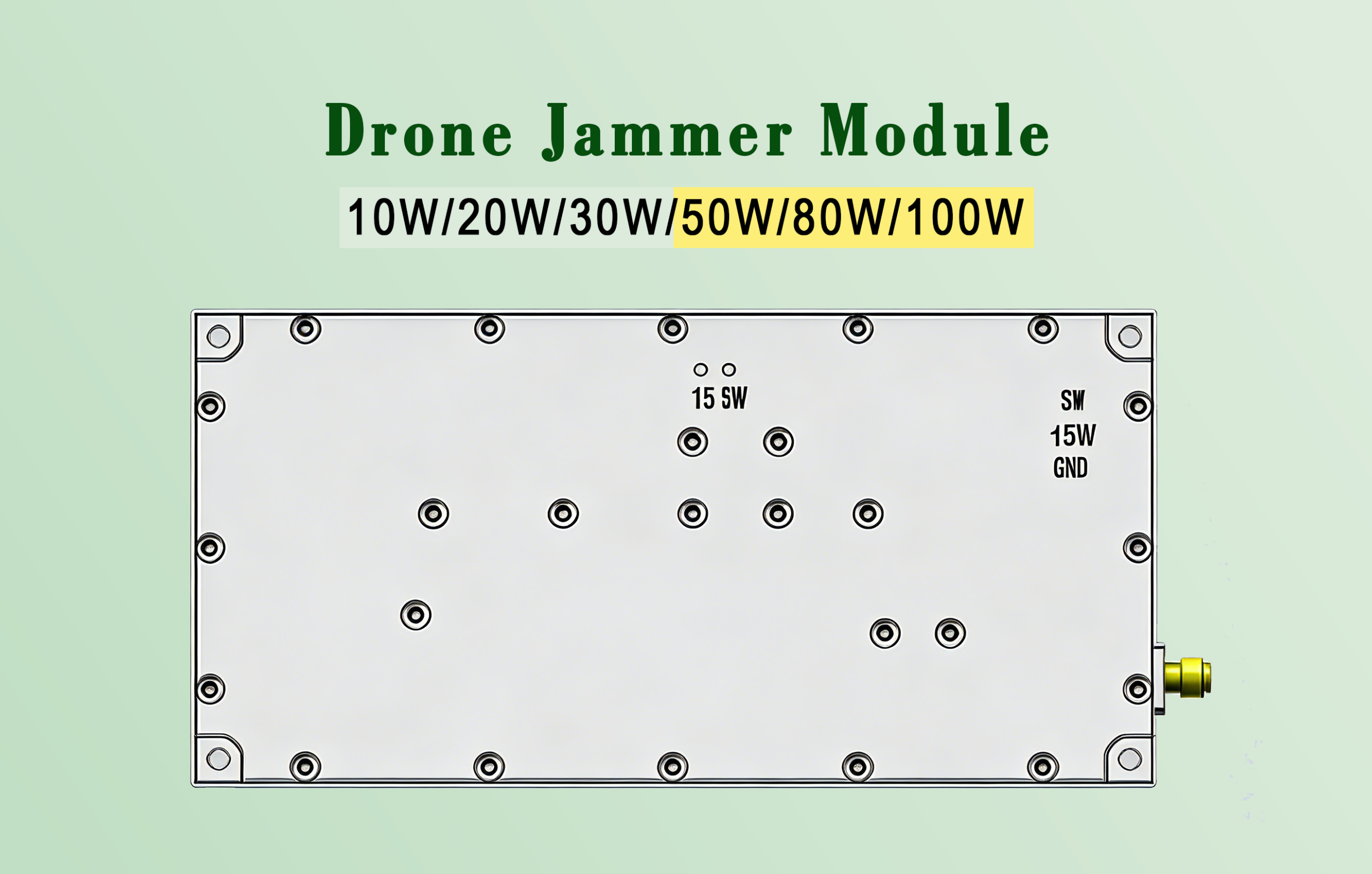
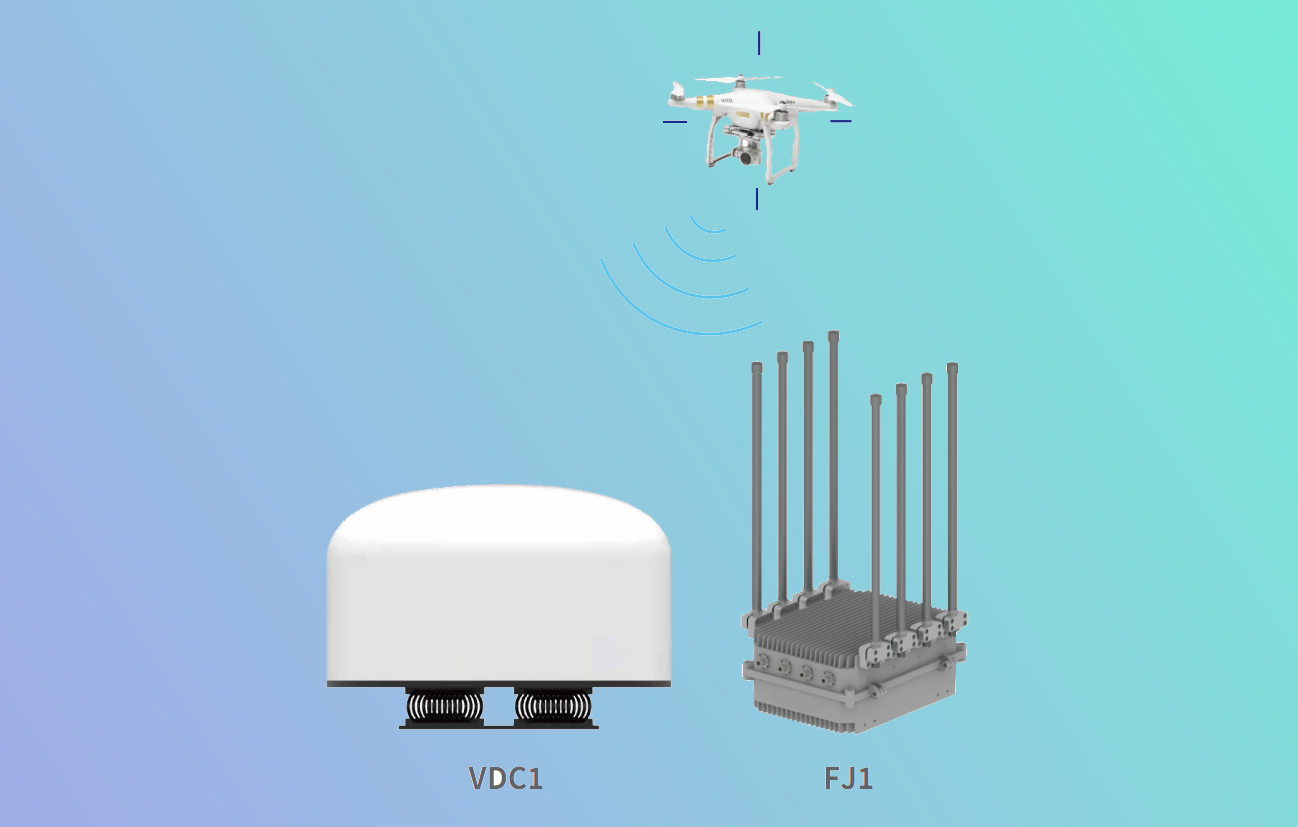
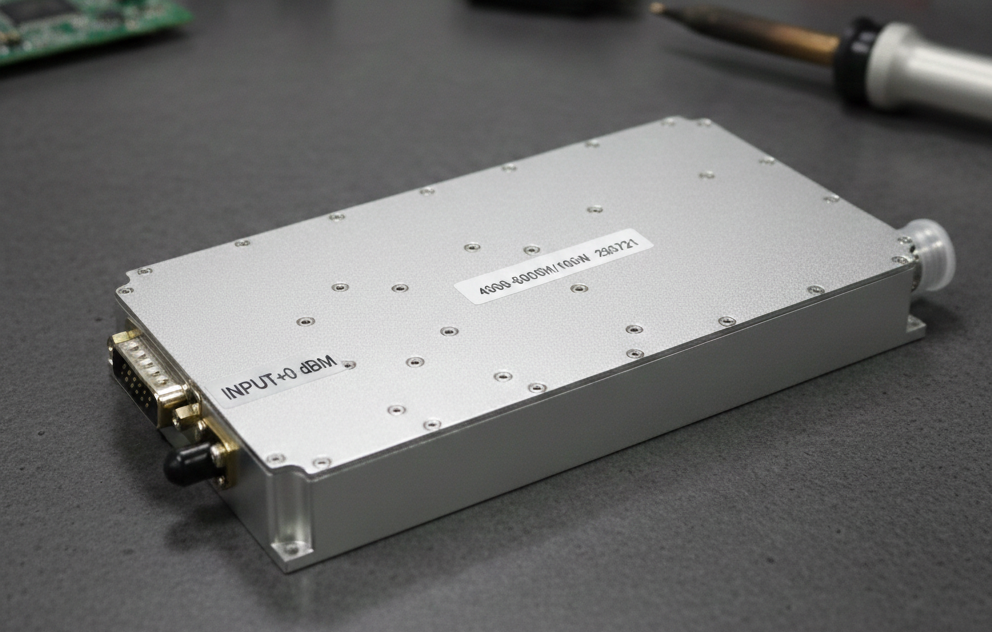
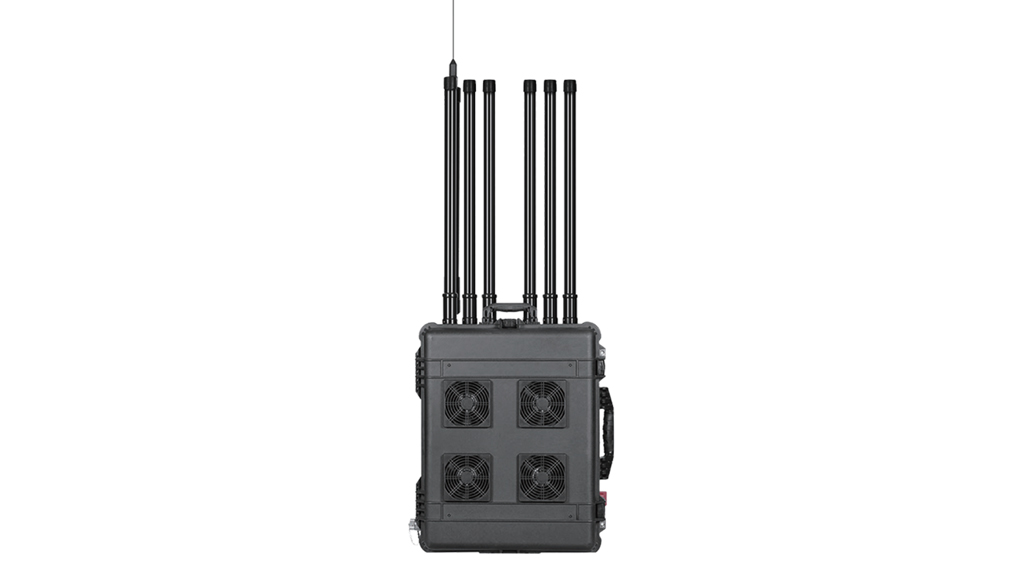

Selecting the correct frequency bands is one of the most critical steps when designing or purchasing a drone jammer system. Without proper frequency planning, even a high-power drone jammer module may fail to effectively disrupt UAV operations.
This guide explains how drone communication works, which frequency bands are commonly used, and how to choose the right bands for targeted and efficient counter-UAS deployment.
Why Frequency Selection Matters
Drone jammers operate by transmitting interference signals on specific radio frequencies used by UAVs. If the jammer does not match the drone’s communication or navigation frequency, it will have little or no impact.
Proper frequency selection ensures:
-
Effective signal suppression
-
Reduced energy waste
-
Lower risk of unintended interference
-
Improved operational efficiency
Therefore, frequency planning should always be the foundation of any anti-drone strategy.
Common Drone Communication Frequency Bands
Most commercial and industrial drones operate on widely used ISM (Industrial, Scientific, and Medical) bands. The most common include:
433 MHz
Often used for long-range telemetry or control links in certain UAV models.
868 / 915 MHz
Common in long-range communication systems, especially in industrial or agricultural drones.
1.2 GHz
Sometimes used for analog video transmission systems.
2.4 GHz
One of the most widely used bands for drone control and data transmission.
5.8 GHz
Frequently used for high-definition video transmission (FPV systems).
In addition to control frequencies, drones rely on GNSS signals (such as GPS) for navigation, which operate on different frequency bands.
Step 1: Identify the Target Drone Type
Before selecting frequency bands for a drone jammer, determine:
-
Is the threat from commercial consumer drones?
-
Are FPV racing drones involved?
-
Is it a custom-built or modified UAV?
-
Are long-range industrial drones expected?
Different drone categories may use different communication technologies. Accurate threat assessment helps narrow down the required jamming bands.
Step 2: Conduct RF Spectrum Analysis
In professional deployments, using RF spectrum monitoring equipment helps identify active drone frequencies in real time. Spectrum analysis allows operators to:
-
Detect control signals
-
Identify transmission bandwidth
-
Confirm signal strength
-
Avoid unnecessary multi-band interference
This data-driven approach ensures precise frequency selection.
Step 3: Prioritize High-Probability Bands
In many environments, 2.4GHz and 5.8GHz bands should be prioritized because they are commonly used in commercial drones. However, in rural or industrial areas, sub-GHz bands (such as 433MHz or 915MHz) may be more relevant.
Selecting frequency bands should always match the operational scenario.
Step 4: Consider Multi-Band Coverage
Modern drones may switch frequencies automatically to avoid interference. For this reason, many professional drone jammer modules support multi-band operation.
Advantages of multi-band coverage include:
-
Increased success rate
-
Resistance to frequency hopping
-
Broader UAV model compatibility
However, more bands require greater power management and thermal control, so system design must balance performance and efficiency.
Step 5: Evaluate Legal and Regulatory Restrictions
Frequency jamming is highly regulated in many countries. Before activating any drone jammer frequency band, verify:
-
Authorized operational range
-
Restricted communication bands
-
Civil aviation regulations
-
Local telecommunications laws
Compliance ensures safe and lawful deployment.
Fixed Band vs. Customizable Frequency Modules
When selecting a drone jammer module, you may choose between:
Fixed Frequency Modules
Pre-configured to specific bands (e.g., 2.4GHz or 5.8GHz).
Suitable for known and predictable threats.
Customizable Frequency Modules
Allow adjustable bandwidth and frequency tuning.
Ideal for evolving threats or specialized applications.
Customizable modules offer greater long-term flexibility but may require more advanced system integration.
Integration with Detection Systems
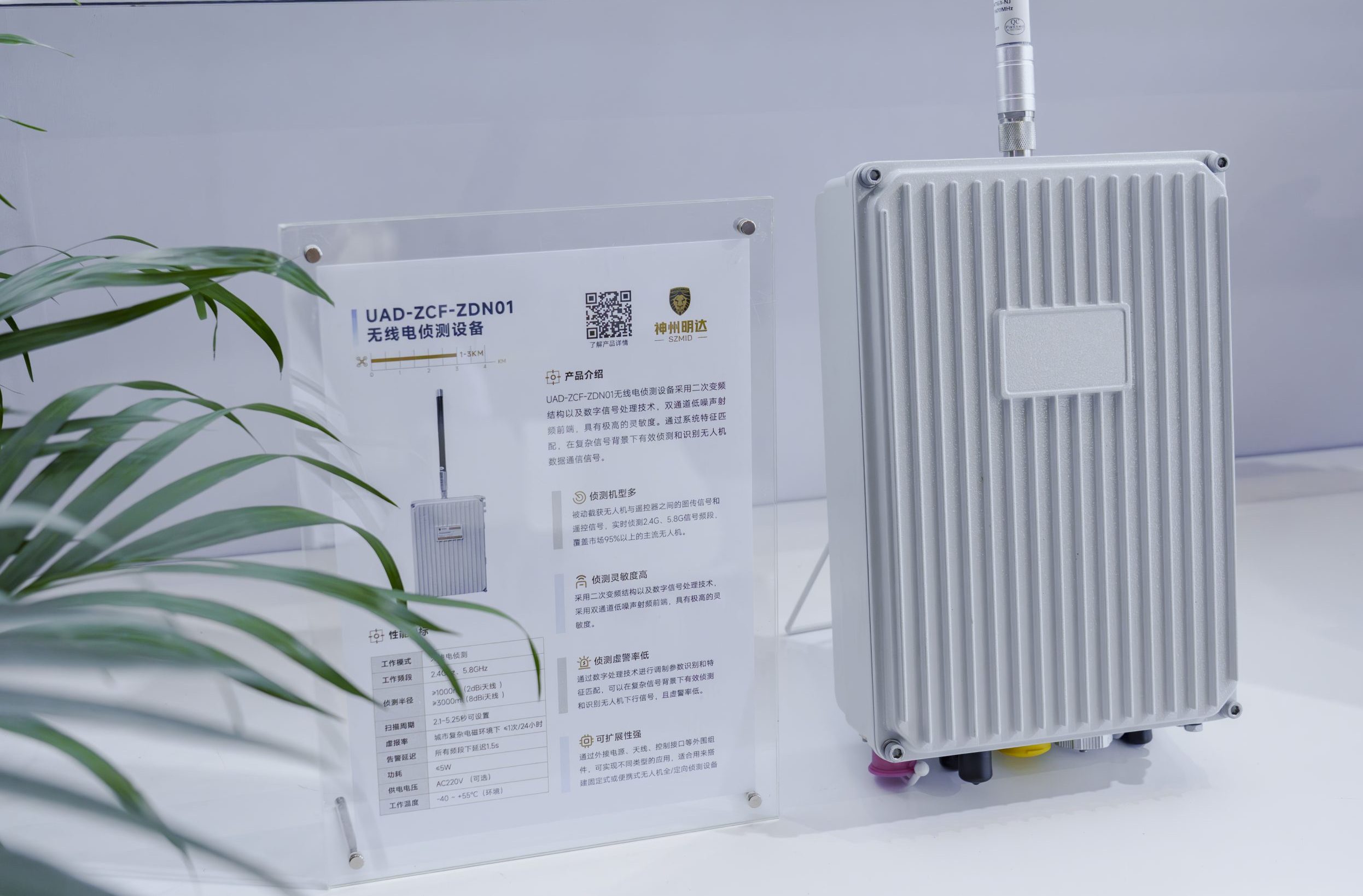
For best results, frequency band selection should be integrated with detection systems such as:
-
RF detection sensors
-
Radar tracking
-
Optical identification cameras
-
Central command platforms
Detection data helps trigger targeted jamming rather than continuous full-band transmission, improving efficiency and reducing interference risks.
Best Practices for Frequency Band Selection
-
Always begin with threat assessment
-
Use spectrum analysis when possible
-
Prioritize commonly used UAV bands
-
Consider multi-band capability
-
Ensure regulatory compliance
-
Integrate with layered detection systems
Conclusion
Selecting the right frequency bands for a drone jammer is not simply about covering every possible spectrum. It requires strategic analysis, scenario-based planning, and technical understanding of UAV communication systems.
A properly configured drone jammer module, aligned with accurate frequency planning and integrated detection systems, will provide more reliable and efficient counter-UAS performance.
By focusing on targeted frequency selection, organizations can maximize protection while minimizing operational risks.
