
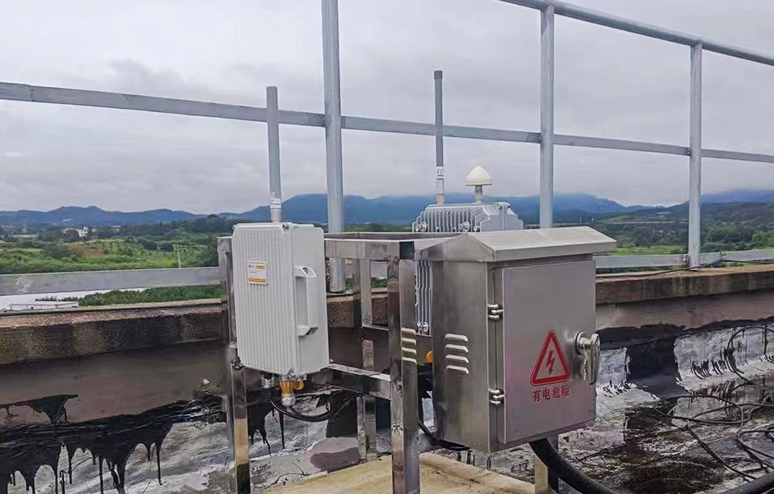
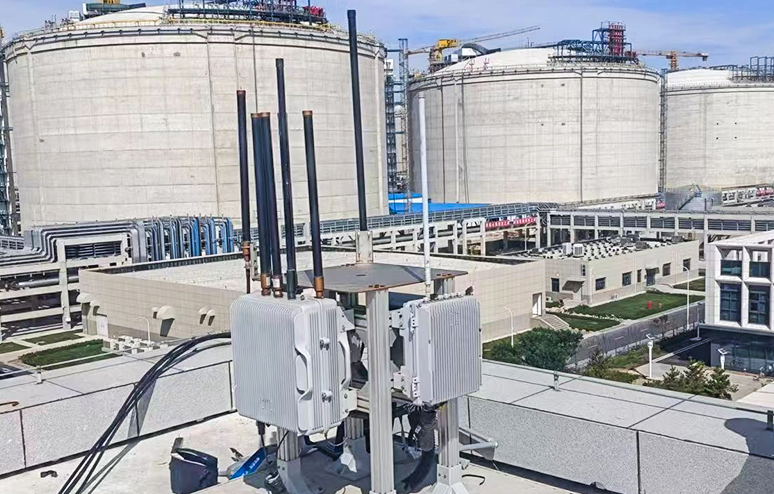
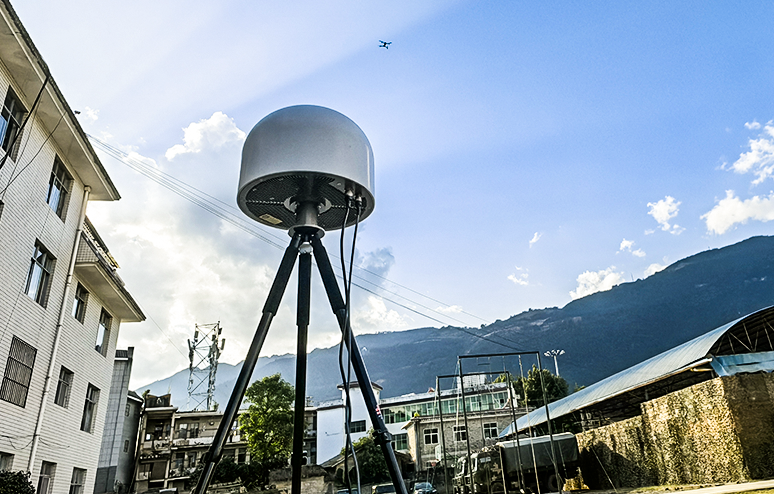
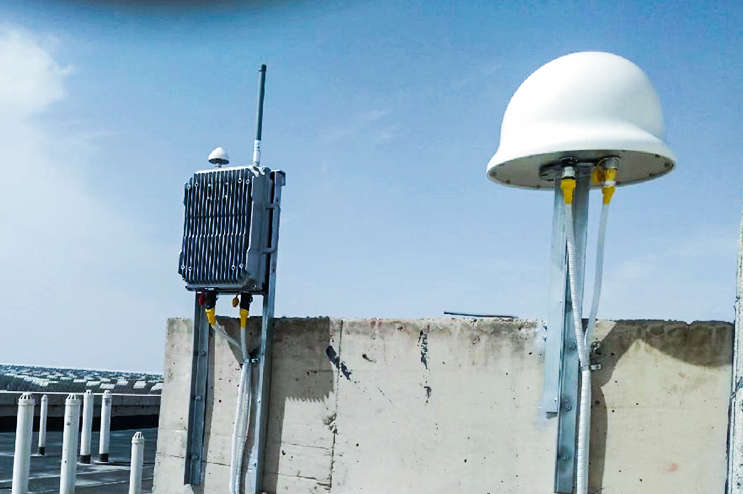


Engineering Case Study: Hydropower Plant Drone Detection & Spoofing Project
Project Background
With the rapid growth of civilian drone ownership worldwide, unauthorized and reckless drone operations have become a serious threat to critical infrastructure. Hydropower plants, as key components of national energy systems, face increasing risks from drone intrusion, interference, and potential sabotage.
To address these challenges, Shenzhou Mingda implemented an integrated Detect-and-Deceive Anti-Drone Defense Solution for a hydropower station, ensuring continuous security while meeting national regulatory and counter-terrorism requirements.
Defense Strategy: Integrated Detection & Deception
The project adopts a Detection-and-Spoofing Integrated Defense Strategy, combining fixed-frequency radio detection with advanced navigation spoofing technology. This approach enables early warning, accurate identification, and controlled neutralization of unauthorized drones without causing harmful interference to surrounding facilities.
Solution Overview
Before deployment, Shenzhou Mingda’s engineering team conducted a comprehensive on-site survey and risk assessment, analyzing terrain features, facility layout, electromagnetic environment, and potential drone threat scenarios.
Based on the assessment results, a customized anti-drone solution was designed to provide full-area coverage of the hydropower plant. The system ensures real-time detection and precise identification of drone targets, followed by navigation deception to safely redirect or force drones to land away from sensitive areas.
The solution is designed for 24/7 unattended operation, ensuring long-term stability and reliability under complex environmental conditions.
Recommended Products
| Device Model | Product Name | Quantity |
|---|---|---|
| UAD-ZDY02 | Fixed-Frequency Radio Detection Device | Customized |
| UADS-P01 | Navigation Spoofing System | Customized |
Industry Requirements & Compliance
In recent years, drone-related security incidents affecting power stations, transmission lines, and substations have increased significantly. In response, Chinese authorities released the industry standard “Security and Counter-Terrorism Protection Requirements for Power Systems (GA1800.1–1800.6)”, officially implemented on August 1, 2021.
The deployed system fully complies with the standard’s key requirements:
-
Operating power and frequency bands meet national regulations
-
Supports automatic 24-hour continuous operation without on-site personnel
-
Does not cause harmful interference to surrounding critical facilities
-
Includes protective measures to avoid impact on power system timing services
-
Equipped with inspection reports issued by national-level radio testing authorities
Project Value
By integrating detection and navigation spoofing technologies, this hydropower plant anti-drone project significantly enhances airspace security while ensuring regulatory compliance and operational safety. The solution provides a scalable and future-proof defense model for hydropower stations and other critical energy infrastructure.
