
Project Case Study: Counter-Drone Defense Deployment in Inner Mongolia

Project Background
With the rapid advancement of commercial drone technology, civilian UAVs equipped with high-definition imaging systems are now capable of performing reconnaissance tasks once limited to military aircraft. Their low altitude, slow speed, and small radar signature make them difficult to detect using conventional defense systems.
In sensitive environments such as military bases, these characteristics increase the risk of unauthorized surveillance, data leakage, and potential security breaches. As a result, strengthening counter-drone capabilities has become a critical requirement for military facilities.
In response to updated regulations under the Law of the People’s Republic of China on the Protection of Military Installations (revised in 2021), stricter control over low-altitude airspace has been enforced. Unauthorized drone flights over military zones, aerial surveillance, and data collection activities are strictly prohibited and subject to enforcement actions.
Project Overview
This project was implemented at a military unit in Inner Mongolia, focusing on building a portable, flexible, and rapid-response counter-UAS defense system.
Defense Strategy
The deployed solution combines two key components:
- Suitcase-Type Detection & Jamming Integrated System
- Customized Handheld Drone Interdiction Gun
This dual-layer strategy ensures both wide-area monitoring and targeted response capabilities, providing comprehensive protection against unauthorized UAV activity.
Recommended Equipment
| Equipment Type | Model |
|---|---|
| Handheld Drone Interdiction Gun | DZS11-Pro (Customized) |
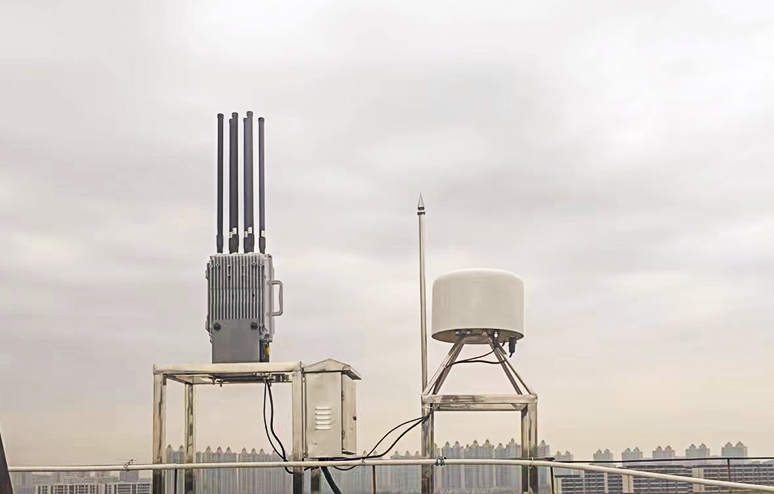
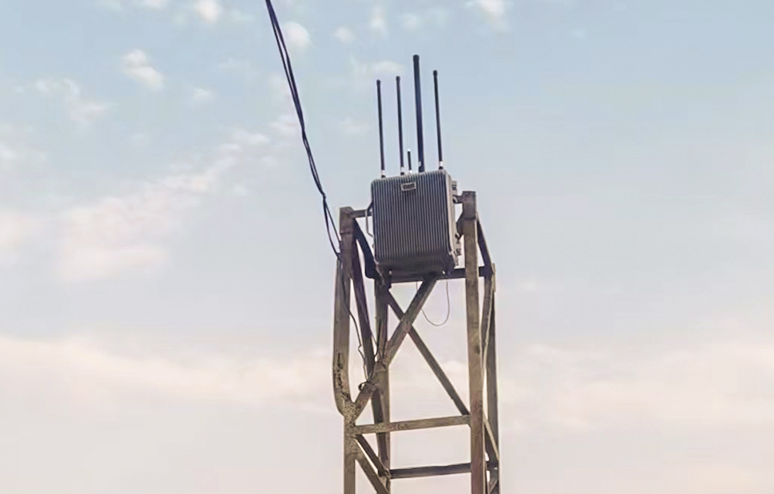
| Suitcase-Type Detection & Jamming System | UADS-ZG13-Tro |
Solution Features
1. 360° Detection and Identification
The suitcase-type integrated system is equipped with advanced sensing technologies capable of full-range 360° detection. It can identify UAV signals in real time, enabling operators to quickly determine the presence and type of drone threats.
2. Integrated Detection and Countermeasure Capability
The system combines detection, identification, and jamming functions into a single unit. Once a drone is detected, it can immediately initiate electronic countermeasures, disrupting control signals and navigation systems.
3. High-Capacity Battery for Extended Operation
Designed for field deployment, the system features a high-capacity battery, ensuring long operational endurance without reliance on external power sources—ideal for remote or temporary missions.
4. Portable and Rapid Deployment
The suitcase-style design allows for easy transportation and quick setup. Personnel can deploy the system within minutes, making it suitable for dynamic operational environments.
5. Precision Targeting with Handheld Device
The customized DZS11-Pro drone gun enables directional jamming against specific UAV targets. This minimizes interference with surrounding communications while enhancing operational precision.
Operational Workflow
- Detection – The suitcase system continuously scans the airspace and identifies UAV signals.
- Identification – The system analyzes signal characteristics to confirm potential threats.
- Tracking – Operators monitor drone movement and behavior in real time.
- Interdiction – The handheld drone gun or integrated jammer disrupts control and navigation signals.
- Neutralization – The drone is forced to hover, return, or land safely.
Application Value
This project significantly enhances the military unit’s ability to:
- Prevent unauthorized aerial surveillance
- Protect sensitive military information
- Enforce airspace control regulations
- Respond quickly to low-altitude UAV threats
The combination of mobility, integration, and precision control makes this solution highly effective for modern military security scenarios.
Conclusion
The counter-drone defense project demonstrates how portable, integrated systems can effectively address emerging UAV threats in military environments. By combining suitcase-type detection systems with customized handheld jamming devices, the solution achieves a balance between flexibility, efficiency, and operational control.
As drone technology continues to evolve, such scalable and mobile counter-UAS solutions will play an increasingly important role in safeguarding critical infrastructure and restricted airspace.
