



Quality Testing Standards for Anti-Drone RF Modules
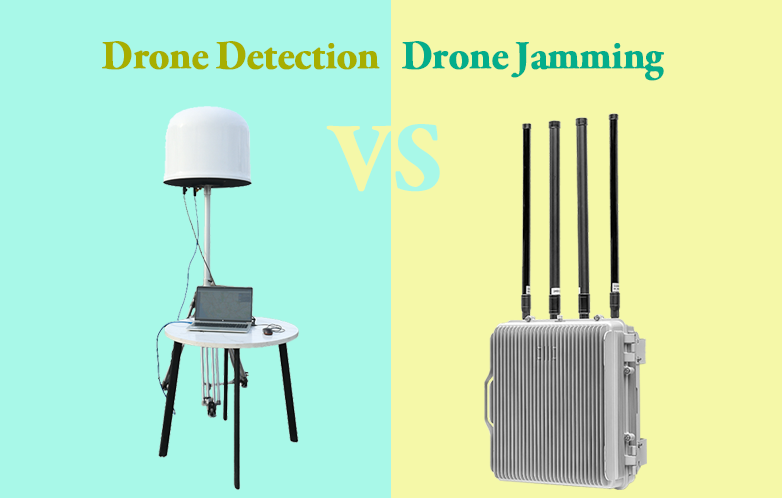
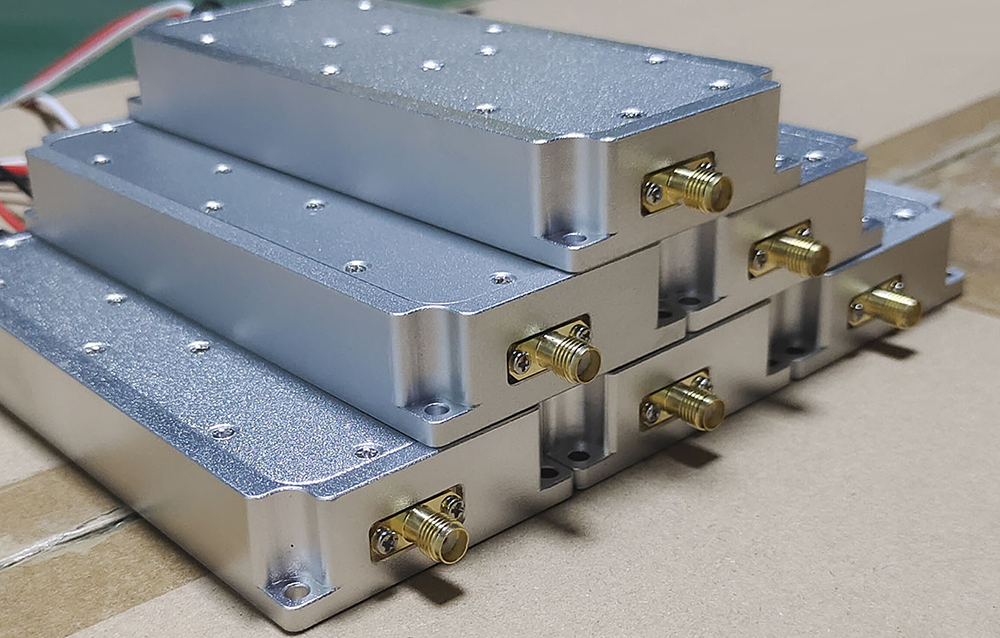
As the demand for counter-drone technology grows, the performance and reliability of anti-drone RF modules have become increasingly important. These modules are core components in drone jamming systems, responsible for transmitting interference signals that disrupt UAV communication and navigation.

To ensure stable operation and effective counter-UAS performance, manufacturers must follow strict quality testing standards during design, production, and final inspection.
Why Quality Testing Is Important for Anti-Drone RF Modules
Anti-drone RF modules operate in complex environments and often require continuous operation under demanding conditions. Poorly tested modules may experience signal instability, power fluctuations, or reduced jamming efficiency.
Comprehensive quality testing helps ensure that RF modules:
-
Deliver stable output power
-
Maintain accurate frequency coverage
-
Operate reliably under different environmental conditions
-
Meet the technical requirements of integrated anti-drone systems
These factors are essential for maintaining consistent system performance.
Key Performance Tests for RF Jamming Modules
1. Output Power Testing
Output power is one of the most critical parameters for drone jamming modules. During testing, engineers measure the module’s RF output power to confirm it meets the specified design level.
Stable output power ensures sufficient signal strength to effectively interfere with drone communication signals.
2. Frequency Range Verification
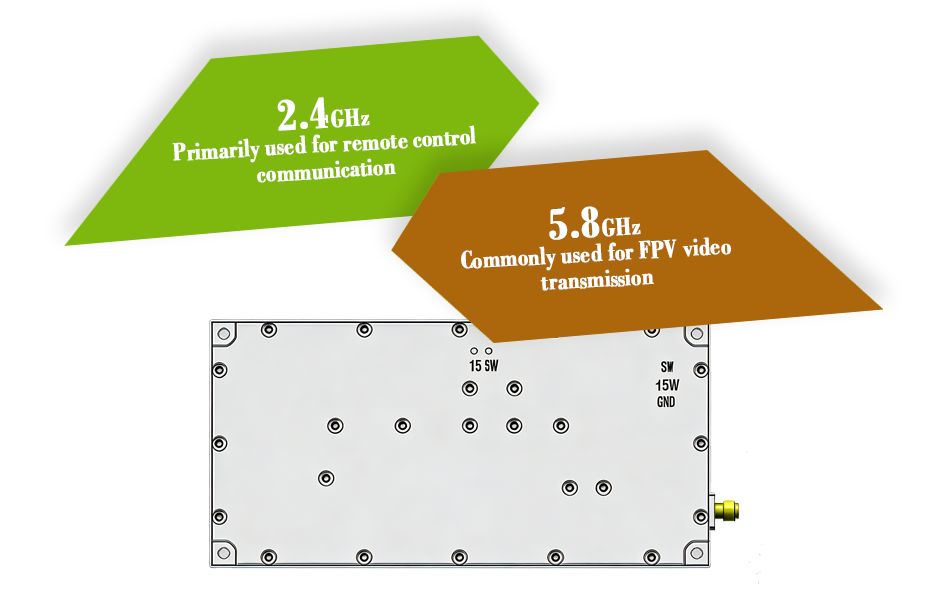
Each RF module is designed to operate within a specific frequency band, such as 900 MHz, 2.4 GHz, or 5.8 GHz. Testing verifies that the module covers the intended frequency range and maintains proper signal characteristics across the entire band.
Accurate frequency coverage ensures compatibility with common drone communication channels.
3. Voltage and Current Testing
Power supply stability is essential for RF module performance. Engineers test input voltage and current levels to ensure the module operates correctly within the specified power range.
This test helps confirm that the module can function reliably when integrated into different anti-drone platforms.
4. VSWR and Impedance Testing
Voltage Standing Wave Ratio (VSWR) testing evaluates how efficiently RF energy is transferred from the module to the antenna.
Low VSWR values indicate good impedance matching and minimal signal reflection, which improves overall jamming efficiency.
5. Thermal Performance Testing
High-power RF modules generate heat during operation. Thermal testing evaluates how well the module dissipates heat and whether it can maintain stable performance during extended use.
Effective thermal management helps prevent overheating and improves long-term reliability.
Environmental and Reliability Testing
In addition to electrical performance tests, anti-drone RF modules often undergo environmental testing to verify durability.
Common reliability tests include:
-
Temperature testing for extreme hot or cold environments
-
Vibration testing to simulate transportation or mobile deployment
-
Continuous operation testing to evaluate long-term stability
These tests ensure the modules can operate reliably in real-world conditions.
Quality Control During Manufacturing
Quality testing does not occur only at the final stage of production. Leading manufacturers implement multi-stage quality control processes, including:
-
Component inspection before assembly
-
RF performance verification during production
-
Final system-level testing before shipment
This layered approach helps detect potential issues early and maintain consistent product quality.
Conclusion
Anti-drone RF modules are critical components in modern counter-UAS systems. To guarantee reliable performance, manufacturers must follow strict quality testing standards covering output power, frequency accuracy, thermal performance, and environmental reliability.
Through comprehensive testing and quality control, high-performance RF modules can deliver stable and effective drone jamming capabilities, helping protect sensitive areas from unauthorized UAV activity.
