
Enhancing Low-Altitude Security: A Case Study on the UAV Defense Project at a Mineral Site in Shouyang County, Shanxi
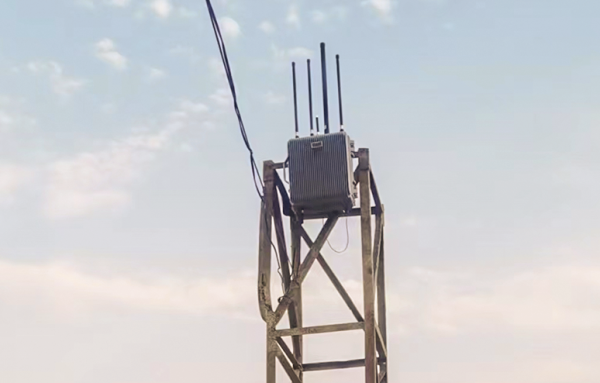
In recent years, the unauthorized use of drones—commonly known as “black fly” incidents—has introduced significant security risks to critical infrastructure. For industries such as petrochemicals and mining, the threat is twofold: potential espionage and physical safety hazards. In response to these growing challenges, a mineral site located in Shouyang County, Shanxi Province, recently implemented a specialized UAV Defense Project to safeguard its operational airspace.
This case study outlines the security strategy, the selected hardware, and how the solution aligns with stringent national standards for anti-terrorism and security management.
Project Background
The mineral site in Shouyang County is situated in a region with a dense concentration of industrial and energy assets. As a critical node in the local supply chain, the facility is classified under the national key protection unit framework. However, like many industrial sites, it faced vulnerabilities from the low-altitude airspace, where unauthorized drones could potentially carry out surveillance or disrupt operations.
To mitigate these risks, the facility sought a fully automated, compliant anti-drone solution capable of operating around the clock without manual intervention.
Industry Compliance and Requirements
The project was guided by the standards set forth in the GA1551-2019 public security industry standard, titled “Public Security and Anti-Terrorism Requirements for the Petroleum and Petrochemical System.”* Issued by the Ministry of Public Security on March 28, 2019, this regulation mandates that facilities such as oil and gas fields, refining and chemical enterprises, and product sales depots must deploy active UAV defense systems.
According to the GA1551-2019 standard, the selected system must meet two critical technical requirements:
-
Signal Transmission Power: The system’s emission power must be ≤10mW to ensure safe operation without interfering with surrounding electronic equipment or communication networks.
-
Unattended 24/7 Operation: The system must operate automatically for 24 hours a day without requiring dedicated personnel for routine operation.
Defense Strategy: Integrated Detection & Suppression System
After a thorough evaluation of available technologies, the site opted for a “Detection and Suppression Integrated System” (often referred to as a “Detect-and-Strike” integrated solution). This strategy was chosen for its ability to combine radar-like detection capabilities with immediate countermeasure responses in a single architecture.
Unlike standalone drone jammers that require manual spotting or separate radar systems that lack mitigation tools, an integrated approach ensures a seamless “detect-decide-defend” workflow. The system continuously monitors the low-altitude airspace; when an unauthorized drone is detected, it automatically activates suppression signals to neutralize the threat by disrupting the drone’s control and navigation links.
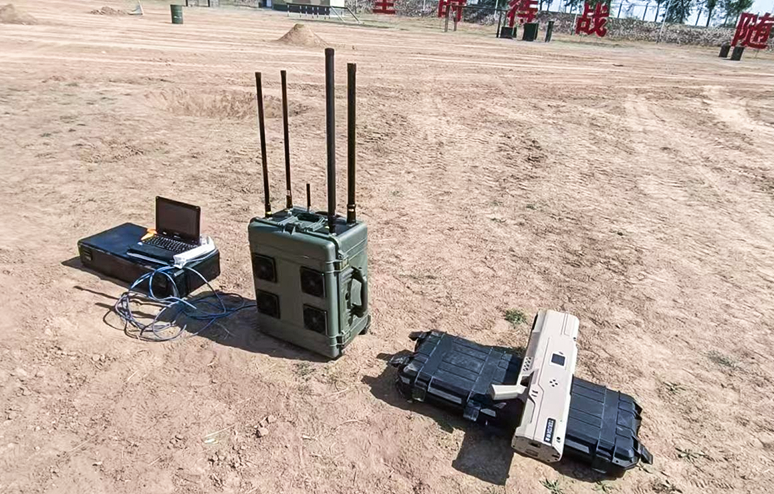
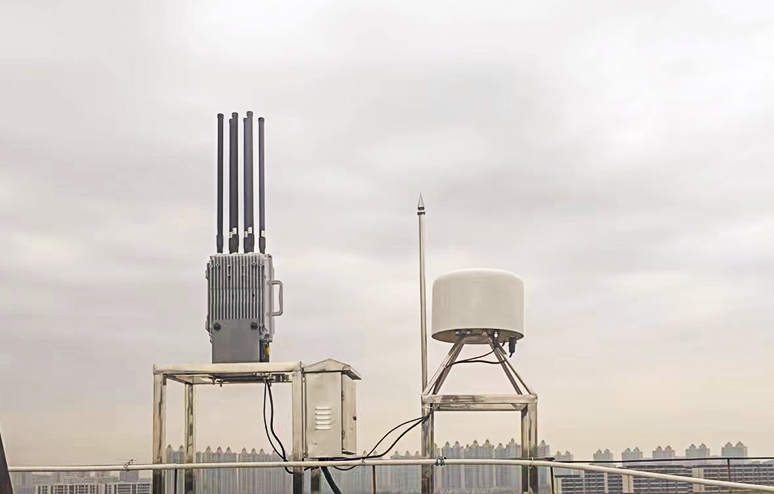
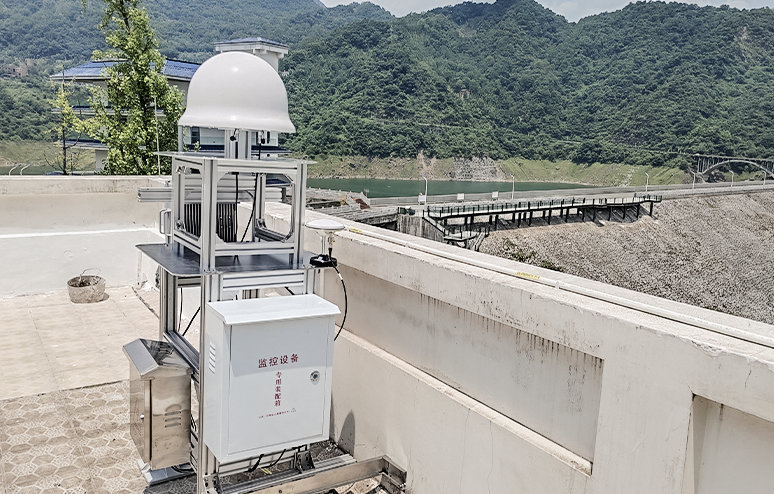
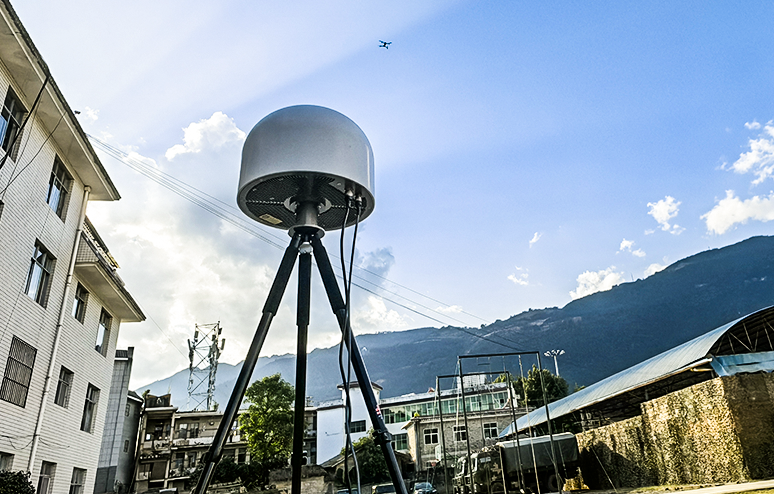
Recommended Product:UAD-XTF-ZG12 Anti drone defense system
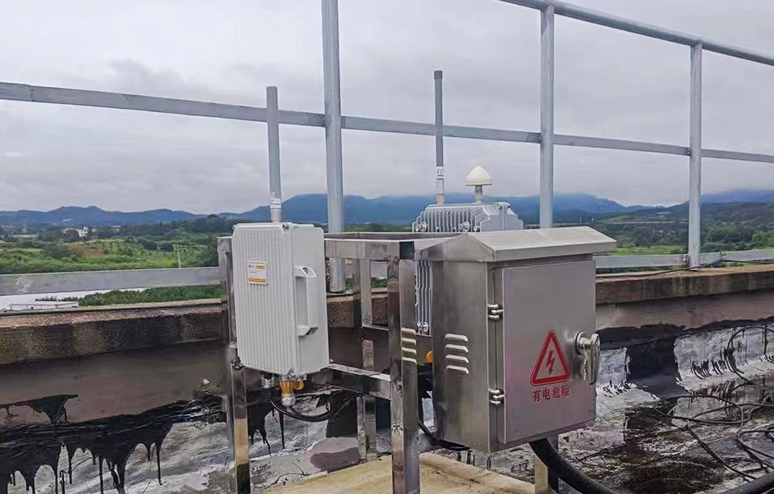
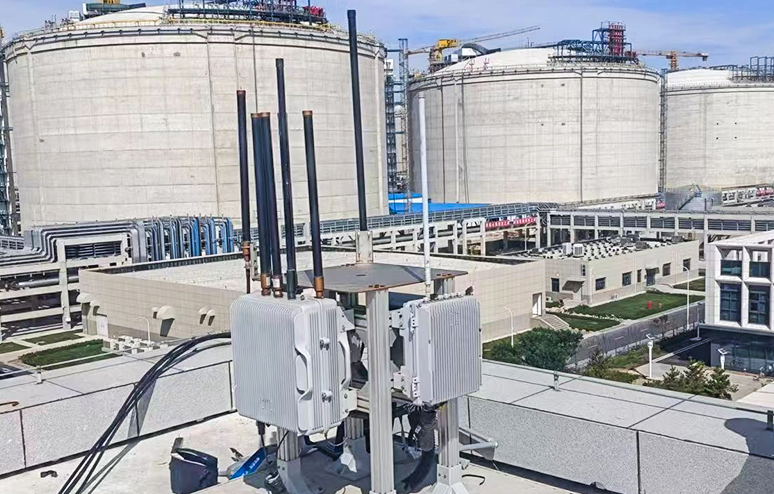
To execute this strategy, the project deployed the UAD-XTF-ZG12 Anti drone defense system. This model was specifically selected for its compliance with the GA1551-2019 standard and its adaptability to the rugged terrain typical of mineral sites in Shanxi.
Key Features of the UADS-ZG12:
-
Compliant Power Output: The system is engineered to operate with a signal transmission power strictly ≤10mW, fully adhering to the petroleum and petrochemical industry’s safety limits.
-
24/7 Autonomous Operation: Featuring automated surveillance and response algorithms, the UADS-ZG12 requires no manual oversight. It conducts continuous patrols of the airspace, ensuring that security personnel can focus on ground-level operations without distraction.
-
Integrated Architecture: By combining detection sensors with suppression modules in one unit, the system minimizes latency between threat identification and neutralization, offering a rapid response to incursions.
Implementation and Results
The deployment of the UADS-ZG12 at the Shouyang County mineral site involved a phased installation around the facility’s perimeter. Due to the system’s integrated design, hardware installation was completed efficiently with minimal disruption to ongoing site operations.
Since activation, the system has provided:
-
Enhanced Situational Awareness: Security managers now have real-time visibility of low-altitude activity within the protected airspace.
-
Regulatory Compliance: The site has successfully aligned its security infrastructure with the mandatory requirements of GA1551-2019, fulfilling legal obligations for anti-terrorism preparedness.
-
Risk Mitigation: The active defense capability has eliminated previous vulnerabilities related to drone-based espionage and accidental airspace intrusions.
Conclusion
The UAV defense project at the mineral site in Shouyang County, Shanxi, demonstrates how industrial facilities can effectively secure low-altitude airspace while adhering to strict regulatory standards. By adopting an integrated detection and suppression strategy with the UADS-ZG12 system, the site achieved a balance between operational safety, compliance, and automated efficiency.
As drone technology continues to evolve, proactive defense systems like this will remain essential for protecting critical infrastructure across the petroleum, mining, and chemical sectors.
