


A Complete Guide to Why Drones Suddenly Lose Control
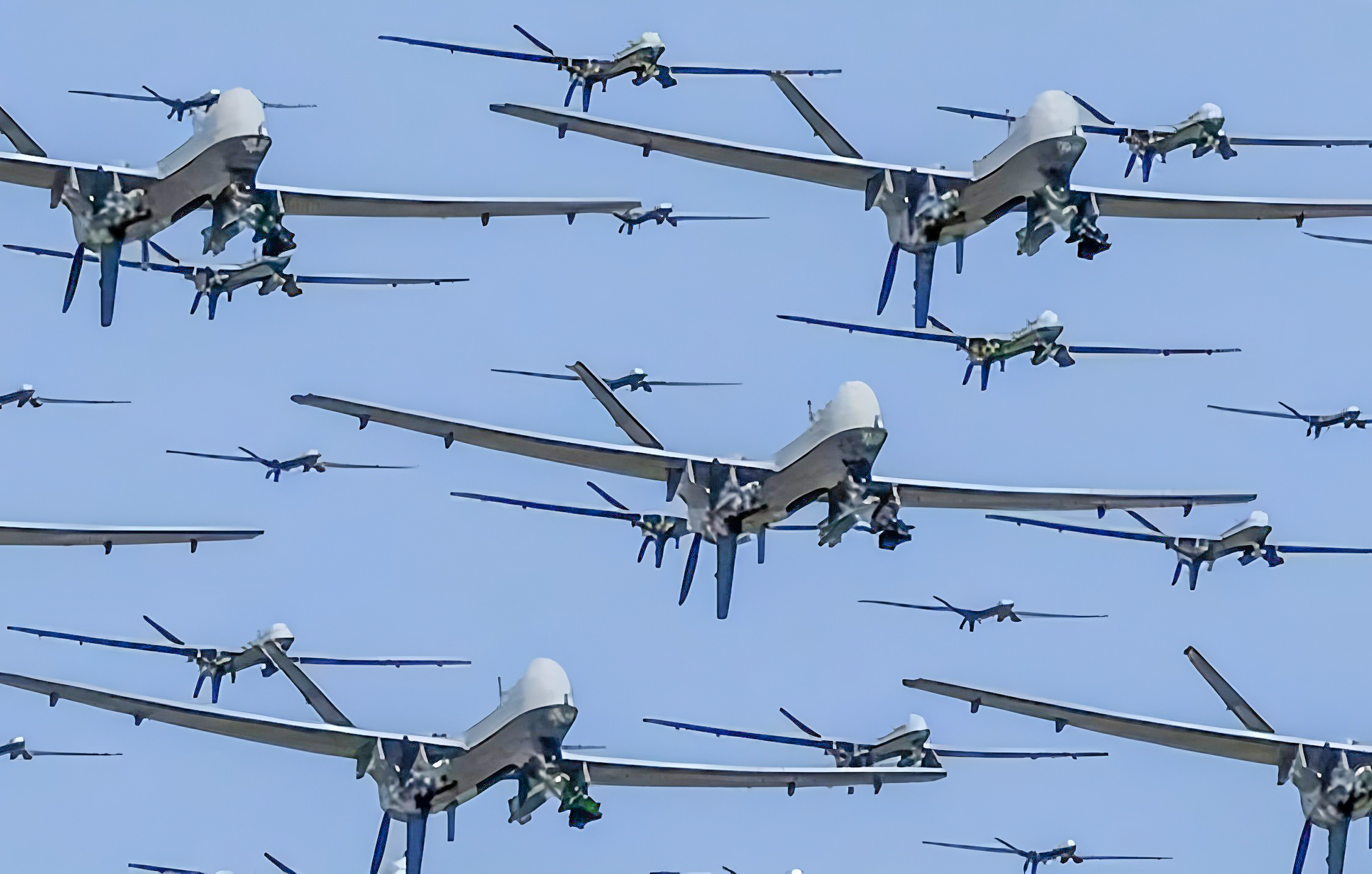
Have you ever experienced this alarming moment? Your drone is flying steadily when the video feed suddenly freezes, warning signals appear, and the aircraft starts hovering, spinning in place, or slowly descending out of control. Before blaming a malfunction, consider this possibility—you may have unintentionally entered a restricted airspace.
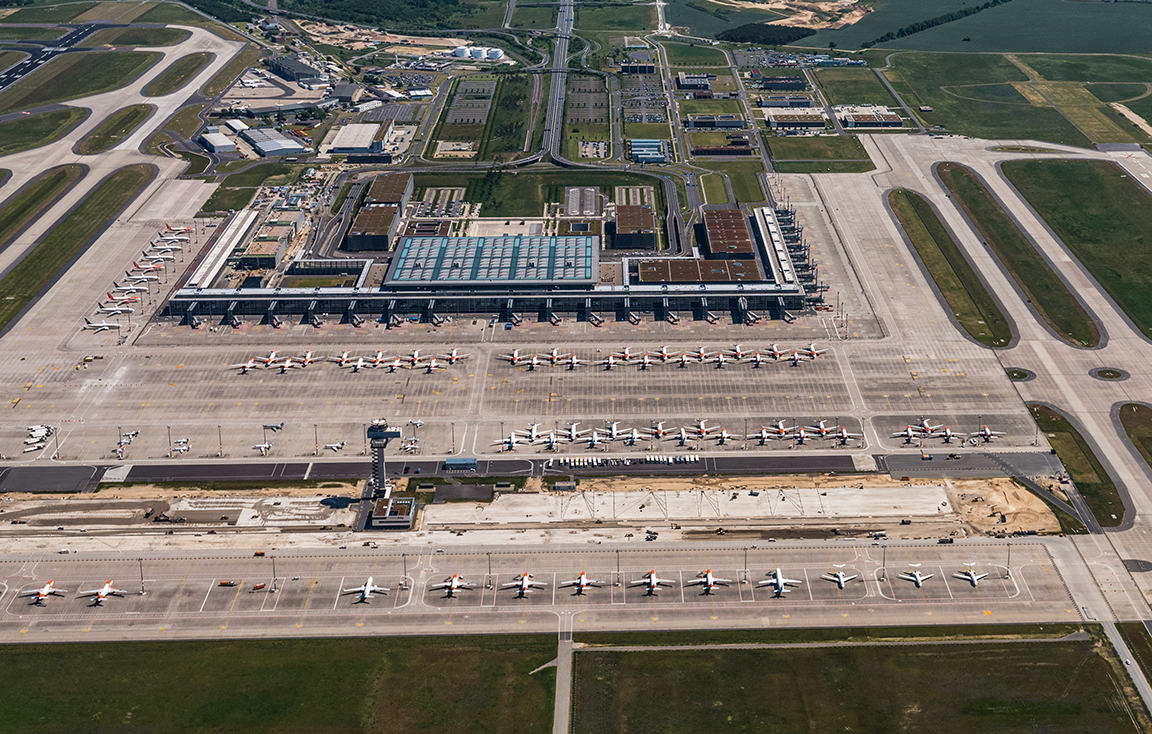
In sensitive areas such as government facilities, military zones, airport clear zones, and critical infrastructure sites like power plants, chemical parks, and energy facilities, professional counter-drone systems have already been deployed. These systems actively disrupt or cut off drone communication and navigation signals to eliminate potential security threats. Once a drone enters their coverage area, it may instantly lose connection, triggering automatic return-to-home, forced landing, or complete loss of control.
So how can drone operators avoid “losing” their aircraft? The most fundamental answer is simple: fly legally and compliantly, and stay away from no-fly zones and sensitive areas.
If you notice abnormal weakening of the control signal, video transmission lag, or GPS positioning drift during flight, these may be early signs of interference. In such cases, do not hesitate—immediately initiate return-to-home and move the drone away from the area. Special caution is required near substations, oil depots, prisons, border zones, and similar high-risk locations, where concealed counter-drone equipment is often deployed and difficult for ordinary pilots to detect.
As a professional security solution provider, Shenzhou Mingda is committed to delivering efficient and compliant counter-drone systems. In this article, we explain common counter-drone methods, analyze which core drone systems they affect, and reveal the technical principles behind them.
Understanding Drone Systems: The Foundation of Counter-Drone Technology
To understand counter-drone techniques, it is essential to first understand the basic structure of a typical drone. A standard drone generally consists of the following core systems:
-
Flight Control System: Includes the flight controller, gyroscope, and accelerometer—the “brain” of the drone, responsible for stability and flight attitude
-
Navigation System: Primarily relies on GNSS such as GPS or BeiDou to provide position, speed, and heading data
-
Communication Link System: Includes uplink control (commands from the operator) and downlink data transmission (video and telemetry), typically using radio frequencies such as 2.4GHz and 5.8GHz or cellular networks (4G/5G)
-
Power System: Composed of batteries, motors, and propellers to provide propulsion
-
Payload System: Cameras, sensors, and other mission-specific equipment
These systems work together to ensure normal drone operation. Their reliance on radio signals and navigation data also makes them the primary targets of counter-drone technologies.
1. Disrupting the Drone Communication Link (Remote Control and Video Transmission)
Technical Principle
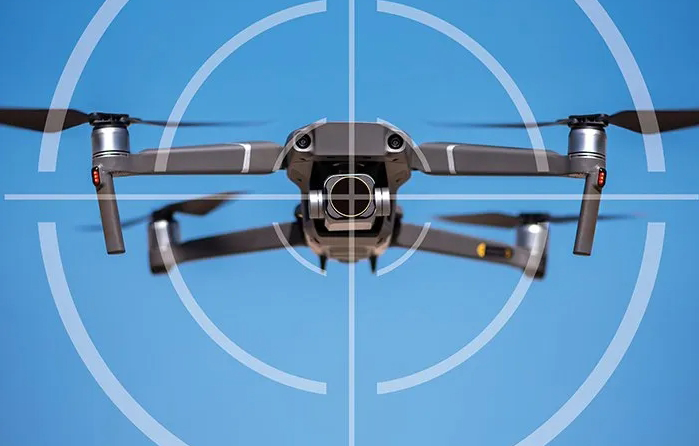
Most consumer and many industrial drones rely on two-way wireless communication with ground controllers, including uplink control commands and downlink real-time video. Radio frequency jamming works by transmitting high-power interference signals on specific frequency bands, overpowering or suppressing the communication link between the drone and its controller.
When a drone can no longer receive valid control commands, its built-in safety mechanisms are triggered—typically resulting in automatic return-to-home, hovering, or emergency landing. This method does not physically damage the drone but renders it “disconnected” and uncontrollable.
Technical Characteristics
-
Non-destructive: No physical damage to the drone
-
Fast response: Communication can be disrupted within seconds
-
Limitations: Less effective against drones flying on pre-programmed routes (e.g., GNSS autonomous missions); requires accurate identification of target frequencies such as 2.4GHz and 5.8GHz
Typical Applications
Airports, major conferences, large public events, and other scenarios requiring rapid drone expulsion.
2. Interfering with the Drone Navigation System (GNSS such as GPS or BeiDou)
Technical Principle
Drones rely on GNSS for precise positioning, altitude holding, and route navigation. Navigation spoofing transmits counterfeit GNSS signals to deceive the drone’s receiver, causing it to misinterpret its actual position.
For example, the system may broadcast a false “home point,” prompting the drone to initiate automatic return-to-home toward a designated safe area, or induce position drift that causes the drone to deviate from its planned route or land unexpectedly.
Technical Characteristics
-
High precision control: Can guide drones to designated safe zones
-
Highly covert: Drones typically do not detect spoofing and behave as if operating normally
-
High technical threshold: Requires deep knowledge of GNSS signal structures and advanced signal generation capabilities
Typical Applications
Sensitive area protection and critical facility perimeter defense, especially in scenarios requiring controlled, non-destructive handling.
3. Detection and Identification Systems: Radar and Electro-Optical Tracking
Supplementary Explanation
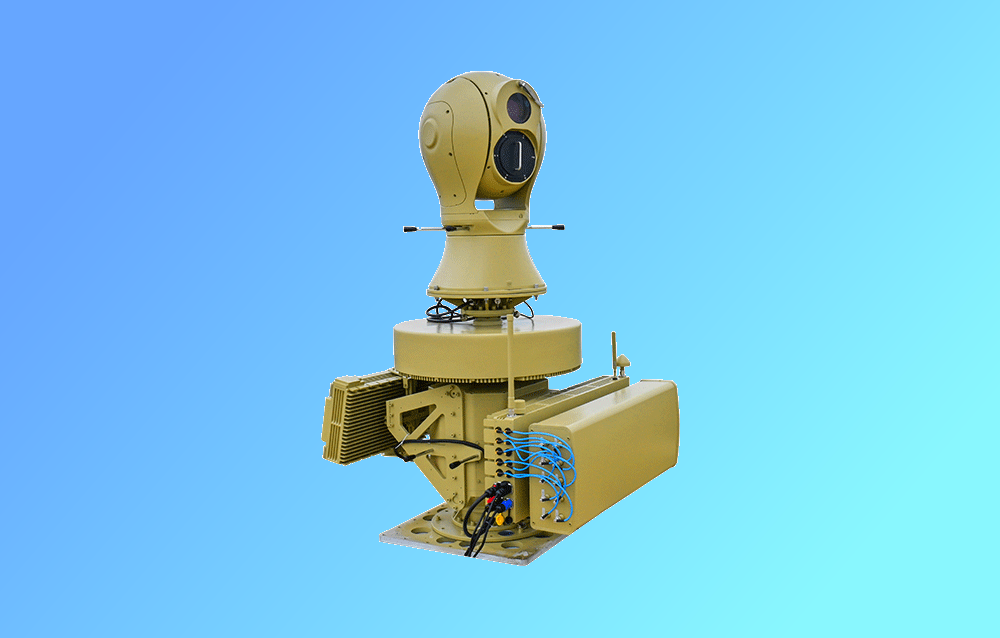
Strictly speaking, radar and electro-optical systems are not countermeasures themselves but are essential prerequisites for counter-drone operations. Their role is to detect, identify, and continuously track intrusive drones.
-
Radar Systems: Use electromagnetic wave reflections to detect aerial targets and operate in all weather conditions, though detection range for small drones may be limited
-
Electro-Optical Systems (Visible Light and Infrared Cameras): Identify drones visually and track them with pan-tilt mechanisms; effective during daytime or at night when thermal signatures are present
These systems often work in coordination with jamming or spoofing equipment to form an integrated “detect–identify–counter” defense framework.
Technical Characteristics
-
Active sensing: Covers detection gaps of radio-silent drones
-
Multi-sensor fusion: Commonly integrated with other counter-drone measures to enhance overall effectiveness
4. Physical Neutralization Systems: Direct Impact on Drone Hardware
Technical Principle
This is the most aggressive form of counter-drone technology and mainly includes two categories:
-
High-Energy Lasers: Focused laser beams generate intense heat, damaging the drone’s shell, motors, cameras, or batteries, causing loss of control or crash
-
High-Power Microwave (HPM): Emits powerful electromagnetic pulses that penetrate the drone’s structure and destroy internal electronic components such as flight control chips and sensors, instantly disabling the drone
Technical Characteristics
-
High lethality: Completely neutralizes the target and prevents recovery
-
High cost and strict regulation: Equipment is expensive and may affect surrounding electronic devices, limiting civilian use
Typical Applications
Military defense and extreme counter-terrorism scenarios with the highest security requirements.
Comparative Analysis and Selection Recommendations
From a system perspective, radio frequency jamming targets the communication link, causing loss of control; navigation spoofing manipulates the GNSS system to guide or mislead drones; radar and electro-optical systems provide detection and tracking without direct interference; and directed-energy weapons perform hard kills by physically destroying drone components.
Among non-destructive approaches, RF jamming offers rapid response and flexible deployment, making it suitable for most emergency scenarios. Navigation spoofing provides more intelligent and precise control, enabling guided neutralization with reduced secondary risks. Directed-energy weapons, while powerful, are generally restricted to specialized fields due to high costs and regulatory concerns.
Shenzhou Mingda’s Recommendation: Scientific Selection and Compliant Use
Counter-drone solutions should be selected based on operational needs, environmental conditions, and legal regulations. In most civilian and commercial scenarios, radio frequency jamming and navigation spoofing are preferred options, offering effective threat mitigation while adhering to non-lethal and low-collateral-damage principles.
Shenzhou Mingda provides a full range of intelligent counter-drone systems integrating detection, identification, jamming, and spoofing. These solutions support customized deployment and are widely used in government facilities, prisons, airports, and energy infrastructure sites.
Important Notice: According to national radio management regulations, the unauthorized use of radio transmitting equipment to interfere with public communications is prohibited. Counter-drone equipment must be used strictly within legally authorized scopes.
Technology is a double-edged sword. While drones bring convenience and innovation, robust security measures are essential. Understanding counter-drone technology is not only a requirement for professionals but also an important step for the public toward smarter and safer security awareness.
