


While counter-drone equipment is developing rapidly, the technical challenges that must be addressed are becoming increasingly prominent. Below is a brief overview of several key issues currently faced by the industry.
1. Detection and Identification Technologies
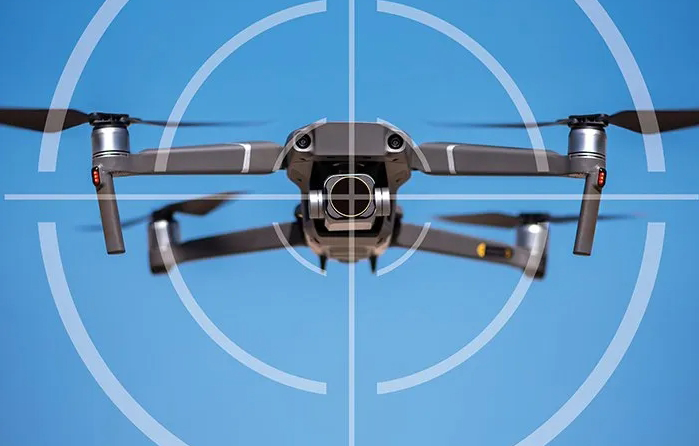
Counter-drone equipment must be capable of accurately detecting and identifying the presence and location of drones. Due to their small size, low flight speed, and frequent use of non-metallic materials, drones are inherently difficult to detect. In addition, complex operating environments and the diversity of drone types place higher demands on detection and identification technologies.
2. Interference and Neutralization Technologies
Counter-drone systems must be able to interfere with or disrupt the normal operation of drones. However, different drone models use varying communication, navigation, and control systems, which increases the complexity of implementing effective interference and neutralization techniques. Furthermore, such technologies must minimize unintended impact on legitimate users and surrounding electronic systems to avoid unnecessary disruption or damage.
3. Defense and Protection Technologies
Counter-drone equipment must also possess defensive and protective capabilities to prevent malicious attacks or unauthorized intrusion. This requires a thorough understanding of drone-based attack methods and the implementation of corresponding protection measures. At the same time, these defensive technologies must ensure the overall security, stability, and reliability of the counter-drone system itself.
4. Multi-Method Coordination Technologies
Effective counter-drone systems rely on the coordinated use of multiple technologies, including radar, radio frequency monitoring, and electro-optical detection and tracking. Achieving seamless coordination among these subsystems requires resolving issues such as mutual interference and technical incompatibility, in order to ensure system effectiveness and operational reliability.
5. Legal and Regulatory Challenges
The deployment and use of counter-drone equipment involve legal and regulatory considerations, such as distinguishing between authorized and unauthorized drones, defining usage authority, and assigning operational responsibility. Relevant authorities must strengthen and refine legal frameworks to ensure that counter-drone systems are deployed in compliance with laws, regulations, and ethical standards.
Approaches to Address These Technical Challenges
To overcome the above challenges, researchers and developers may adopt the following measures:
1. Improving Detection and Identification Accuracy
Detection performance can be enhanced by upgrading radar systems, improving signal processing capabilities, and integrating multiple sensor technologies to achieve more accurate and reliable drone identification.
2. Developing Diverse Interference and Neutralization Techniques
Targeted interference and neutralization solutions should be developed for different drone communication, navigation, and control systems, while carefully considering the impact on legitimate users to minimize collateral interference and losses.
3. Strengthening Defense and Protection Capabilities
By conducting in-depth research on drone attack methods, counter-drone systems can be equipped with effective protective measures to ensure operational security, system stability, and long-term reliability.
4. Enabling Coordinated Multi-Method Operations
Optimizing coordination mechanisms among various detection and countermeasure technologies can help resolve compatibility issues and mutual interference, thereby improving overall system effectiveness and reliability.
5. Enhancing Legal and Regulatory Frameworks
Authorities should continue to develop and refine laws and regulations related to counter-drone equipment, clearly defining legal drone operations, usage authority, and responsibilities to ensure lawful and socially responsible deployment.
Conclusion
In summary, addressing the technical challenges of counter-drone equipment requires the integrated application of multiple technologies, continuous innovation, and strong legal and regulatory support. Only through a comprehensive and balanced approach can counter-drone systems achieve both technical effectiveness and legal compliance.
