
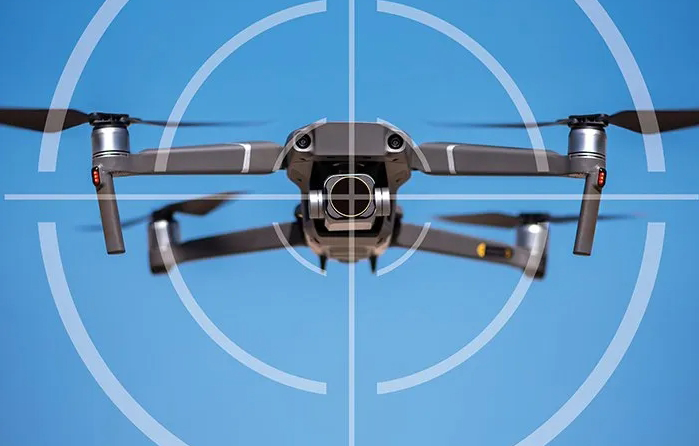


As the threat from unauthorized or malicious drones continues to grow, understanding the classification of anti-drone devices is crucial for developing an effective defense strategy. Counter-Unmanned Aircraft Systems (C-UAS) are not one-size-fits-all; they are a suite of technologies that work together. This guide breaks down the primary categories of counter-drone technology based on their function within a comprehensive protection framework.
The Foundational Framework: Detect, Track, Neutralize (DTN)
Modern counter-UAS systems are typically organized around a three-pillar approach. A robust defense requires capabilities across all categories:
-
Detection & Identification
-
Tracking & Classification
-
Neutralization & Mitigation
Category 1: Detection & Identification Systems
These devices are the “eyes and ears” of a C-UAS solution. Their role is to find a drone and determine if it is a friend or foe.
-
Radar Systems: Specialized drone detection radars use precise Doppler and micro-Doppler signatures to identify small, low-flying, and slow-moving objects, distinguishing them from birds.
-
Use Case: Long-range perimeter surveillance for critical infrastructure.
-
-
Radio Frequency (RF) Sensors: These passive devices scan the spectrum for communications between a drone and its pilot (control signals) or with GPS satellites. They can often identify the drone model based on its signal fingerprint.
-
Use Case: Urban environments where kinetic solutions are risky; ideal for identifying pilot location.
-
-
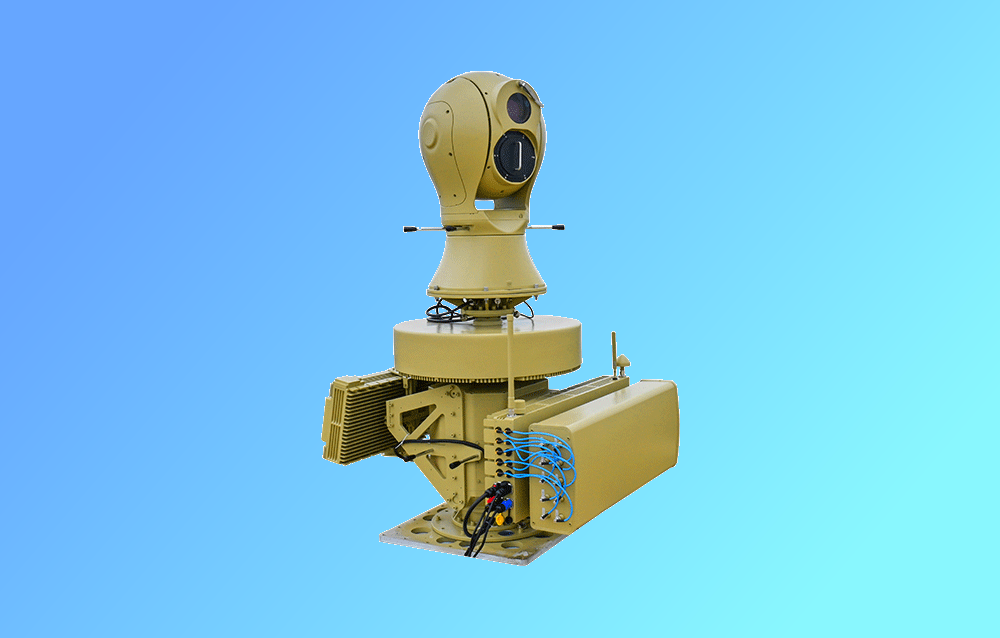
Electro-Optical/Infrared (EO/IR) Sensors: High-resolution cameras (EO) and thermal imagers (IR) provide visual confirmation and tracking. They are essential for positive identification and collecting forensic evidence.
-
*Use Case: Verifying a radar contact, 24/7 visual tracking, and assessment of a drone’s payload.*
-
Category 2: Tracking & Classification Systems
This layer involves the command and control software that fuses data from multiple detection sensors. It’s not always a separate physical device but a critical functional layer.
-
Command & Control (C2) Software: This is the “brain.” It correlates data from radars, RF sensors, and cameras to create a single, cohesive air picture, tracks the drone’s path, assesses its threat level, and recommends or initiates a response.
-
Use Case: Centralized management of all C-UAS assets for security operations centers.
-
Category 3: Neutralization & Mitigation Systems
These are the active anti-drone devices that intervene to stop a threat. They are classified into “soft-kill” and “hard-kill” methods.
A. Soft-Kill (Non-Kinetic) Systems:
These systems disrupt the drone’s operation without causing physical collision.
-
RF Jammers: The most common anti-drone device. They emit directed radio noise to block the drone’s command and GPS signals, forcing it to land, return home, or hover.
-
Use Case: Mobile or fixed-site protection where capturing the drone intact is preferred.
-
-
GNSS Spoofers: More advanced than jammers, they broadcast fake GPS signals to trick the drone into following a false navigation path, allowing for controlled capture.
-
Use Case: High-security zones where precise drone diversion is needed.
-
-
Cyber Takeover Systems: These attempt to hack into the drone’s communication link, seize control, and safely pilot it to a designated landing zone.
-
Use Case: High-value intelligence gathering by capturing hostile drones.
-
B. Hard-Kill (Kinetic) Systems:
These systems physically destroy or disable the drone.
-
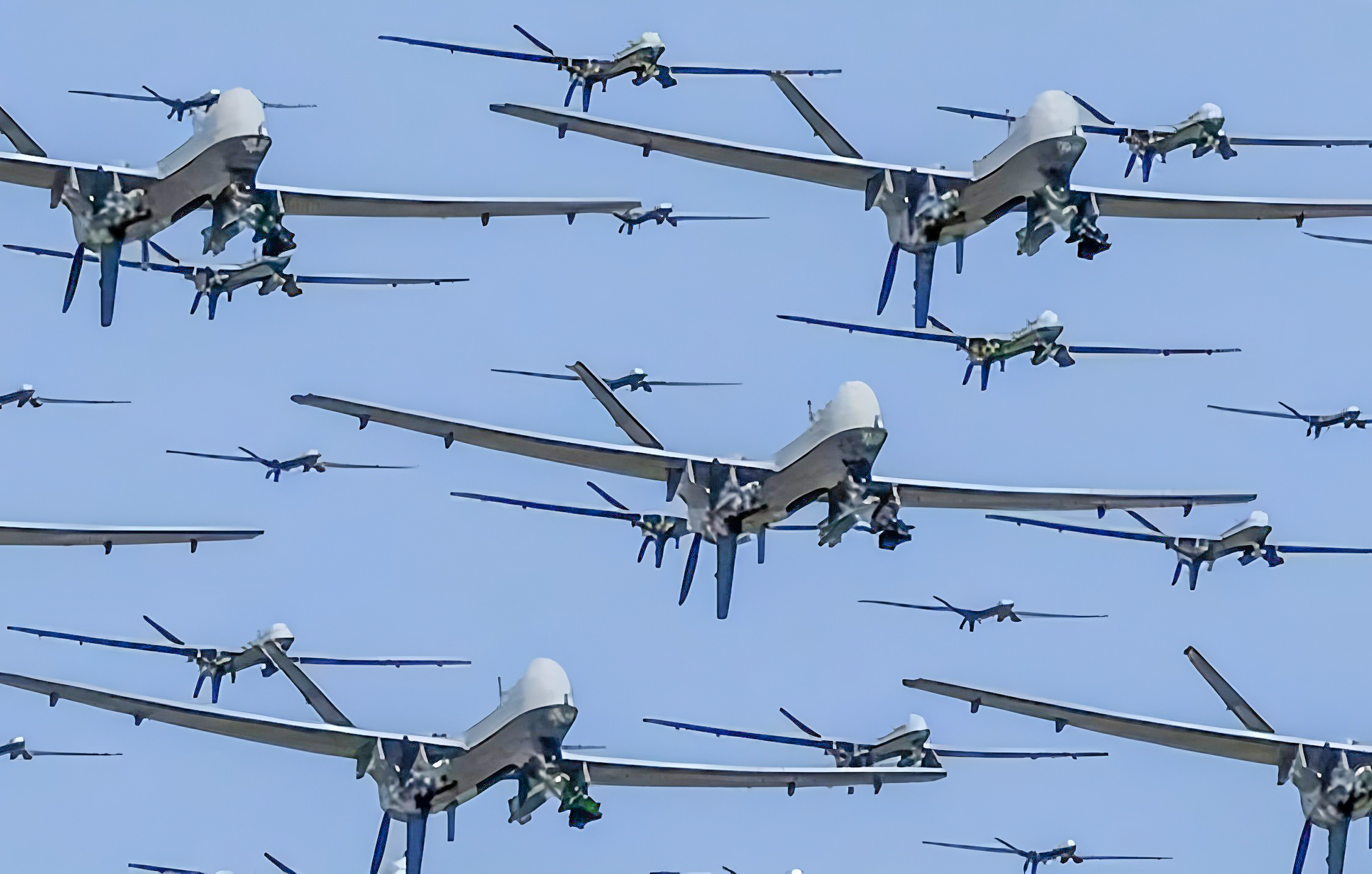
High-Energy Lasers & Microwaves: Directed Energy Weapons (DEWs) focus beams to burn through or fry the drone’s electronics. They offer a low cost-per-shot but require significant power and precise tracking.
-
Use Case: Military bases or naval vessels defending against drone swarms.
-
-
Kinetic Impactors: This includes net guns (fired from another drone or the ground) and trained interceptor drones that collide with or entangle the threat.
-
Use Case: Protecting public events or airports where falling debris must be minimized.
-
Choosing the Right Classification for Your Needs
Selecting an anti-drone device depends on your operational environment, budget, and legal constraints.
-
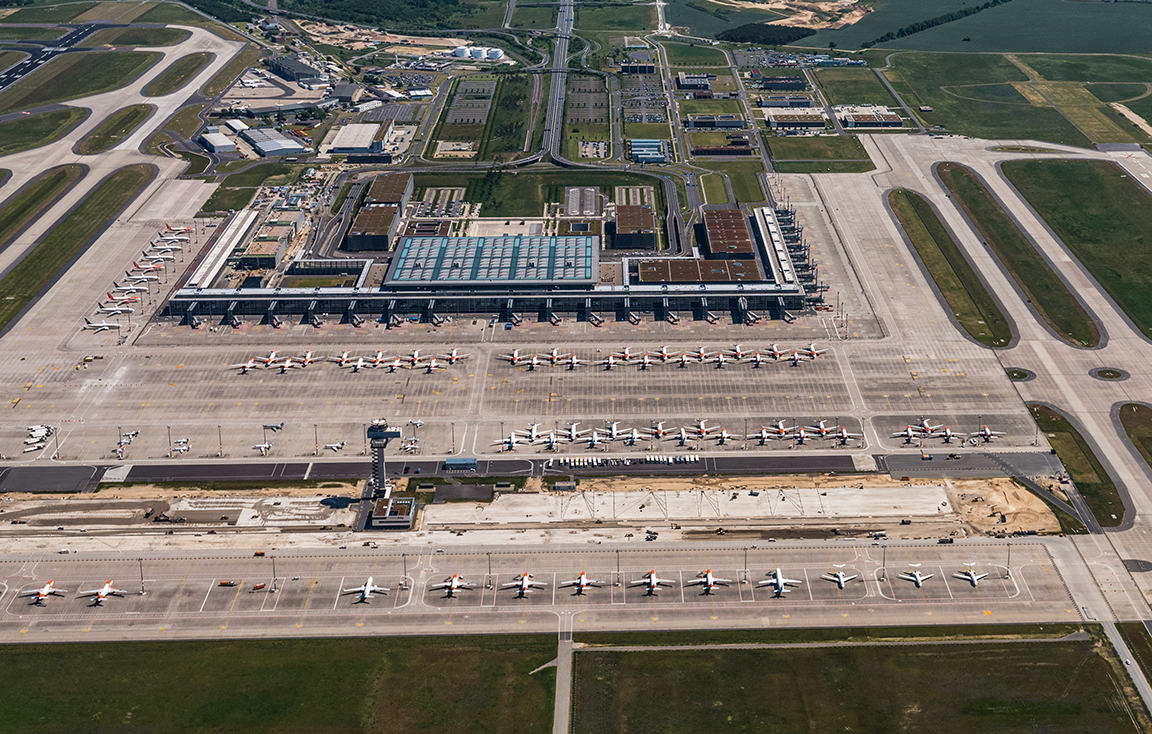
Critical Infrastructure (Airports, Power Plants): Requires integrated DTN systems with radar, RF, and jamming capabilities.
-
Military & Battlefield: Employs layered defense with hard-kill and soft-kill options for maximum effectiveness.
-
Public Events & VIP Protection: Often uses portable, rapid-deployment systems focusing on detection and non-kinetic neutralization (jamming/nets) for public safety.
Conclusion: The Power of Integration
No single counter-drone device classification provides a perfect solution. The most effective C-UAS strategy integrates multiple detection and neutralization technologies into a cohesive, automated system. Understanding these classifications—from detection sensors to both soft-kill and hard-kill neutralizers—is the first step in building a layered defense capable of protecting your airspace against evolving drone threats. Invest in a system that seamlessly combines these categories for 360-degree protection.
