
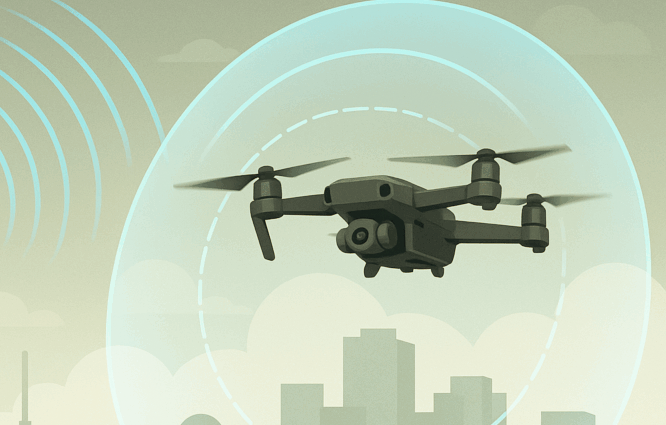
The rapid proliferation of unmanned aerial vehicles (UAVs) has brought undeniable benefits — but also serious security risks. From rogue drones disrupting airport operations to illicit surveillance over military bases, the need for effective counter-drone (C-UAS) solutions has never been greater. As we move through 2026, a new generation of counter-drone technologies is emerging, combining artificial intelligence, directed energy, and advanced sensors to protect our skies.

Below, we count down the top 10 counter-drone technologies that are redefining airspace security this year.
1. AI-Driven Multi-Sensor Fusion
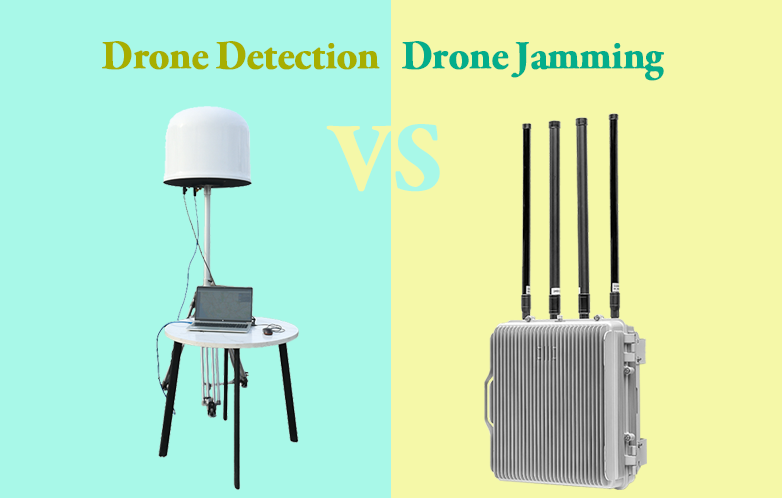
Single-sensor systems (radar, RF, or EO/IR alone) are no longer enough. In 2026, AI-driven multi-sensor fusion platforms integrate data from radar, radio frequency scanners, optical cameras, and acoustic sensors to create a unified threat picture. Machine learning algorithms filter out false alarms (e.g., birds) and classify drone types, operators, and intent in real time. This technology dramatically reduces response time and is already deployed at major international airports.
2. High-Power Microwave (HPM) Systems
Unlike jammers or lasers, high-power microwave systems emit a burst of energy that fries the electronics of multiple drones simultaneously — even swarms. HPM offers a wide engagement area and can disable drones at the speed of light without needing precise aiming. In 2026, compact HPM units are being mounted on vehicles and fixed sites, providing a game-changing defense against coordinated drone attacks.
3. Drone Detection via 5G-AIS (Automatic Identification System)
With the expansion of 5G networks, a new passive detection method has matured: analyzing 5G signals reflected or scattered by drones. 5G-AIS uses existing cellular infrastructure to detect, locate, and track unauthorized UAVs with high accuracy, even in urban canyons. It is cost-effective and works alongside traditional radar, filling critical gaps in low-altitude coverage.
4. RF Hacking & Protocol Exploitation
Instead of simply jamming, advanced counter-drone systems now exploit vulnerabilities in drone communication protocols. By injecting crafted packets or exploiting known handshake weaknesses, these systems can take over control of a rogue drone, force a safe landing, or redirect it to a designated recovery zone. This technology is particularly valuable for law enforcement and VIP protection, as it neutralizes threats without causing collateral damage.
5. Directed Energy Lasers (DEWs)
Laser-based counter-drone systems have matured from experimental to operational. In 2026, truck-mounted and even containerized laser weapons can track and burn through drone airframes or critical components (e.g., motors, batteries) within seconds. The main advantages are near-infinite magazine depth, low cost per engagement, and minimal collateral risk. Several countries now deploy such lasers to protect embassies and military bases.
6. Passive RF Fingerprinting
Every drone has a unique electromagnetic signature from its motors, speed controllers, and wireless chips. Passive RF fingerprinting uses deep learning to identify drones based on these subtle hardware-level features — even when the drone is not transmitting any telemetry or video. This allows “stealth” detection of drones that try to evade active scanners. It is widely used in sensitive government zones and prisons.
7. Net-Gun Drones & Interceptor UAVs
For scenarios where electronic or kinetic destruction is undesirable (e.g., over crowds or near aircraft), interceptor drones carrying lightweight net guns provide a soft-kill solution. The interceptor autonomously tracks the rogue drone, fires a high-strength net, and safely carries it away or forces it down. In 2026, swarms of net-gun drones are being used for event security and anti-smuggling operations along borders.
8. Acoustic Drone Arrays
Low-cost and passive, acoustic arrays use multiple microphones to triangulate drone position by engine and propeller noise. Advances in signal processing and neural networks have made acoustic detection reliable even in noisy urban environments. These systems are now commonly deployed around stadiums, prisons, and temporary VIP venues as a complementary layer to radar and RF sensors.
9. Spoofing-Based Navigation Deception
Global navigation satellite system (GNSS) spoofing sends fake GPS coordinates to a drone, tricking it into entering a no-fly zone or landing at a predetermined location. Unlike jamming (which simply blocks GPS), spoofing is covert and does not trigger failsafe responses like return-to-home. Modern spoofing systems use cognitive algorithms to adapt to different drone autopilots. However, because of the risk of confusing legitimate GNSS users, deployment is strictly regulated and often limited to authorized security zones.
10. Cloud-Based Threat Intelligence Sharing
No single site operates in isolation. In 2026, cloud-based counter-drone platforms aggregate threat data from thousands of sensors across airports, utilities, and public events. Machine learning models identify emerging drone tactics, frequencies, and hardware signatures, then push updated countermeasures to all connected C-UAS nodes in near real-time. This collective intelligence turns local detections into global protection, staying ahead of drone modifications and new models.
The Future of Airspace Security
The counter-drone landscape in 2026 is characterized by diversity and integration. No single technology is a silver bullet; instead, layered defense combining detection, identification, and mitigation — from AI analytics to microwave blasts — provides the most robust protection. As drone capabilities continue to evolve, so too will the countermeasures. For security professionals and infrastructure operators, staying informed about these top 10 technologies is the first step toward safer skies.
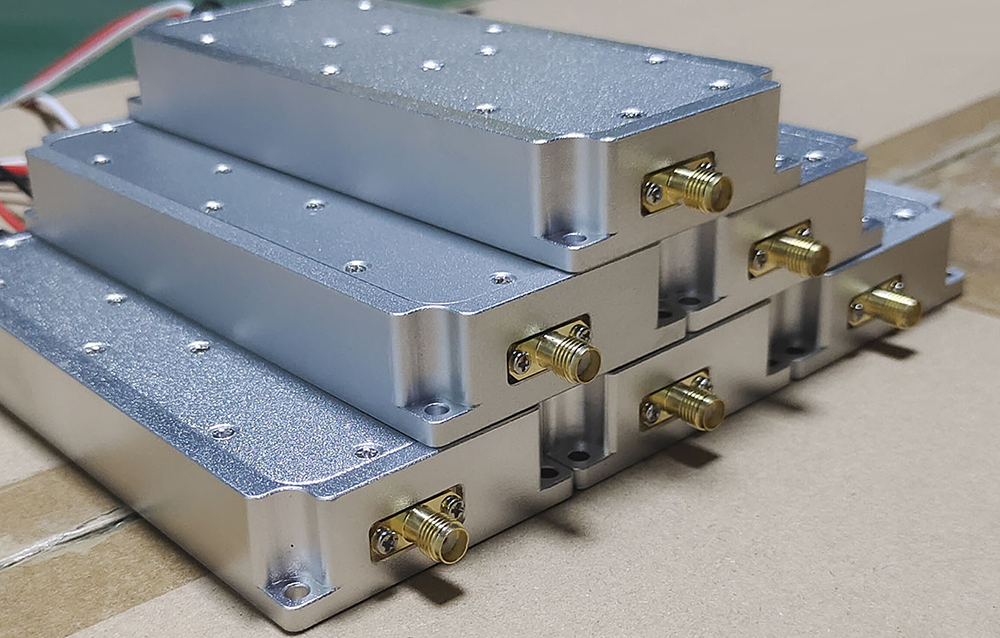
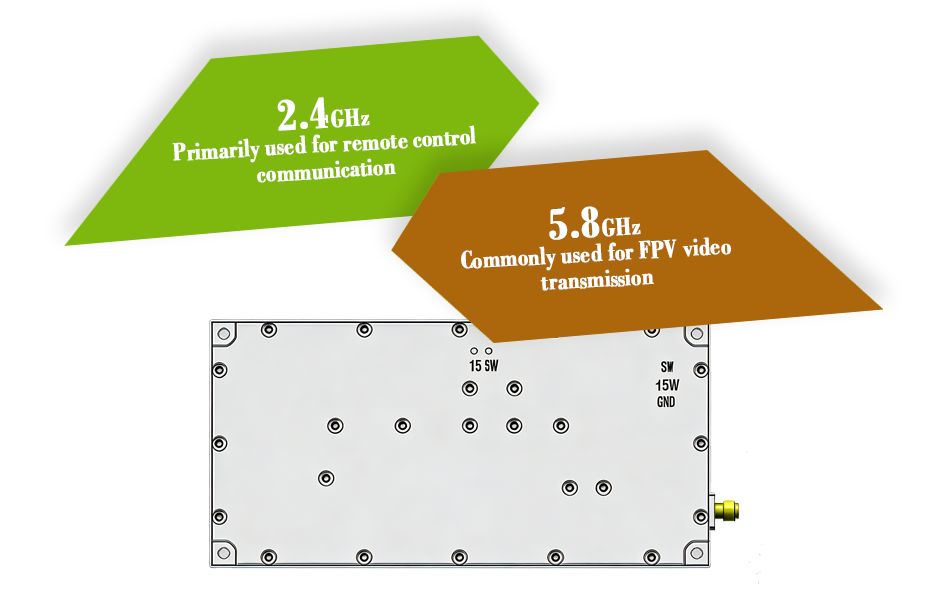
Interested in implementing advanced counter-drone solutions? Visit Shenzhou Mingda’s product page to explore our latest drone jammer modules and customized C-UAS systems.
