

Top 10 Global Counter-UAS Combat Progress Breakthroughs in 2025: From Electronic Jamming to Cross-Domain Synergy, Building a New Low-Altitude Security Defense
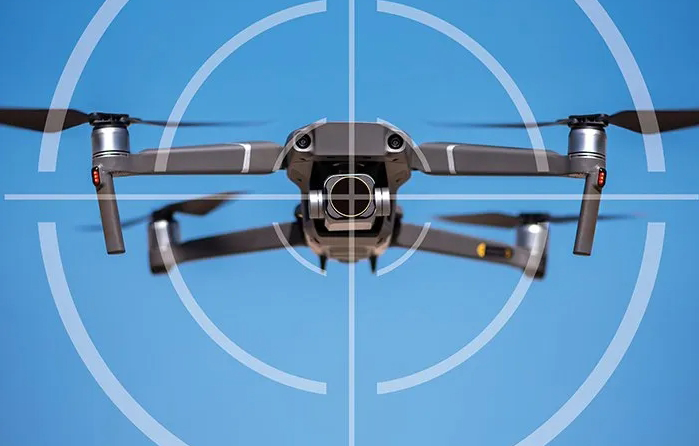
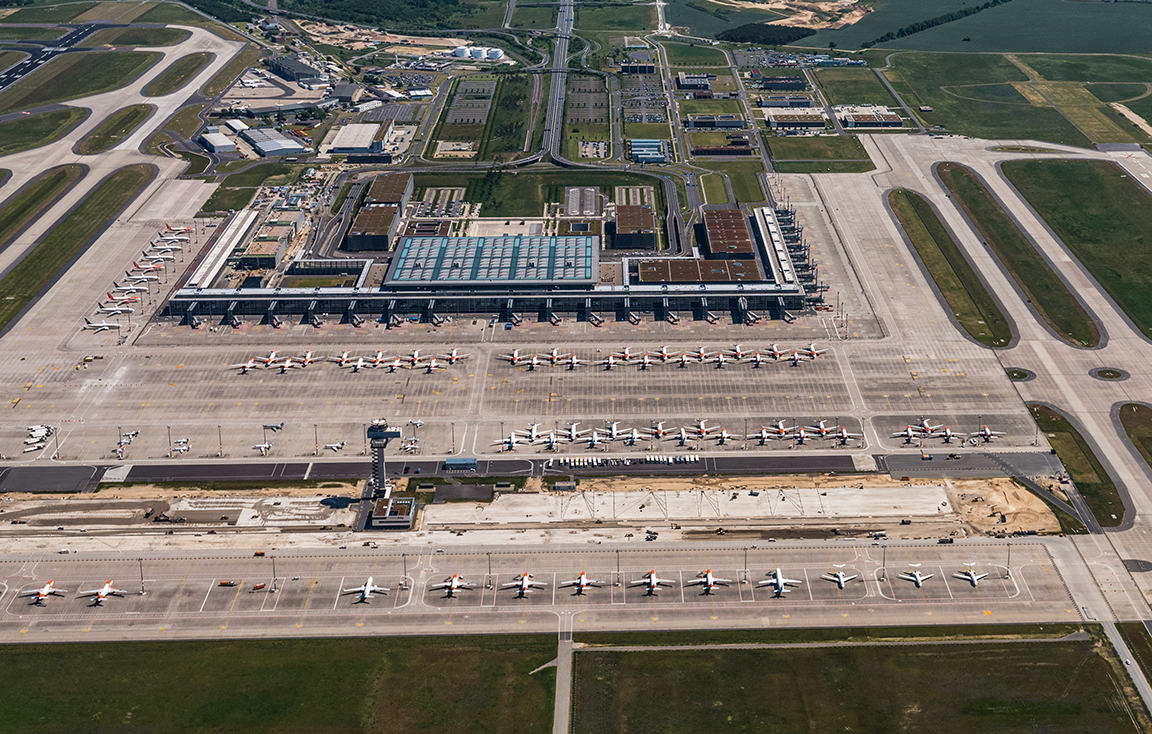
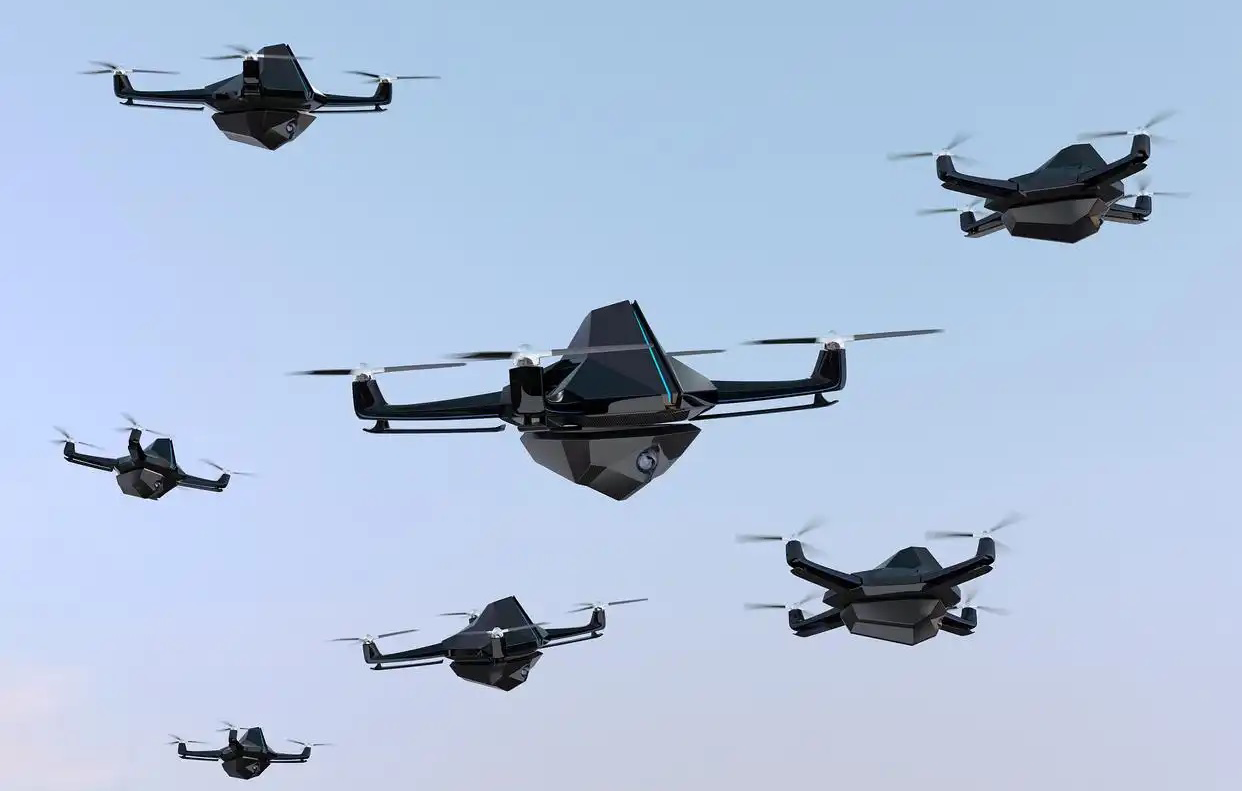
In 2025, the global low-altitude security landscape has entered an unprecedented phase of complexity. On the border of a Middle Eastern country, dozens of modified FPV drones formed a “swarm” to launch a surprise attack on a forward outpost. In China, an unresponsive consumer-grade drone circled over the runway of Chengdu Tianfu International Airport, causing 17 flights to make emergency go-arounds. Around the core venues of the Hangzhou Asian Games, illegal drones attempted to drop contraband. These events collectively point to a stark reality: traditional single-method approaches are no longer sufficient to counter the new threats posed by “low-altitude, slow-speed, small-sized, silent, and swarming” drones.
Against this backdrop, nations worldwide are accelerating the combat validation of critical counter-UAS technologies. This article focuses on the ten most representative combat progress breakthroughs of 2025, delving into how counter-UAS defense system manufacturers are leveraging technological innovation and system integration to build a modern low-altitude defense capability covering the entire chain of “Detection—Decision—Countermeasure—Assessment.”
1. Electronic Jamming Demonstrates Significantly Enhanced Combat Effectiveness Against Drone Swarm Threats
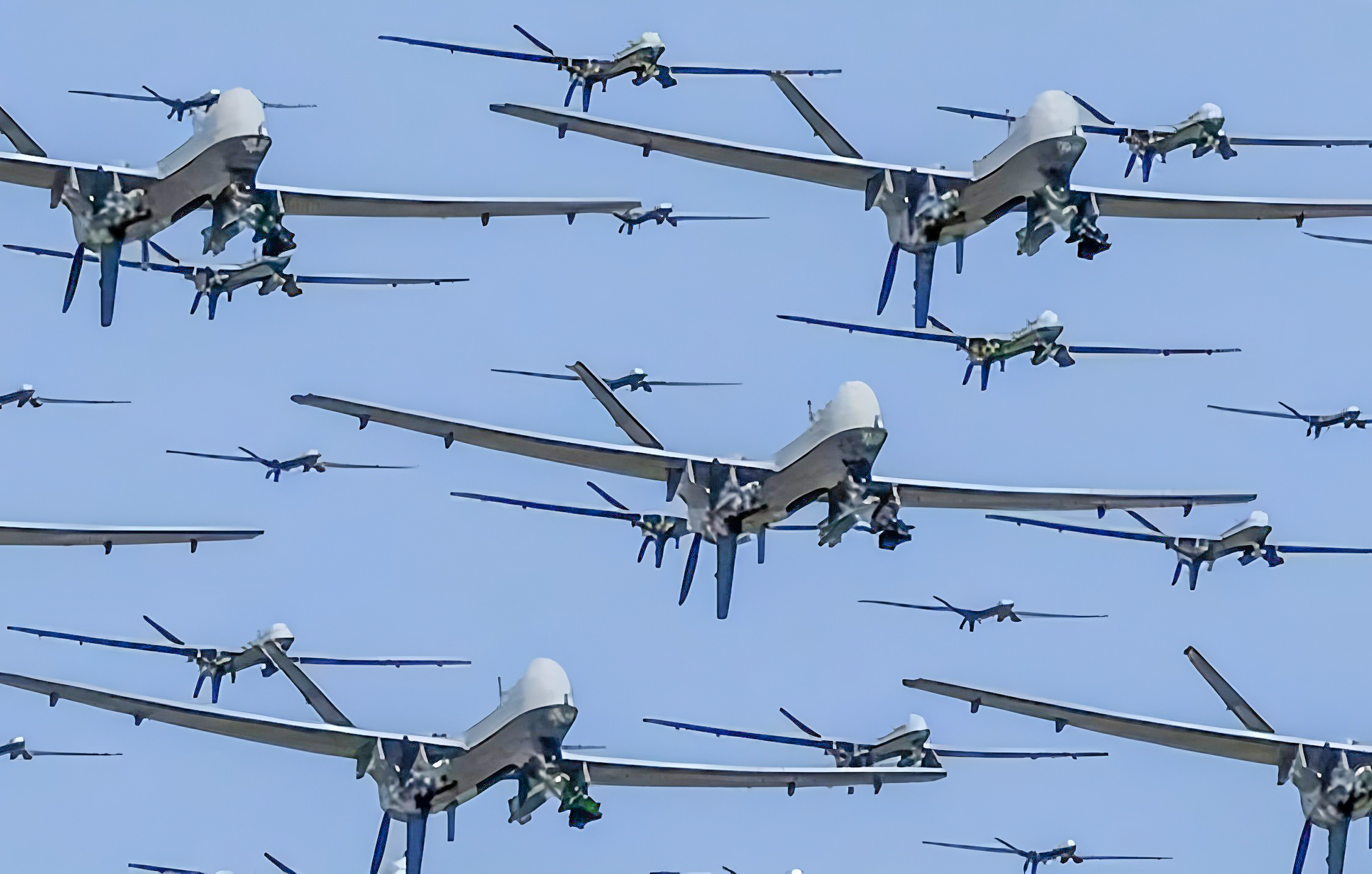
In September 2025, during a border exercise in a certain country, 30 modified FPV drones conducted a low-altitude penetration at 50 km/h. Traditional narrowband jamming equipment failed due to its inability to simultaneously suppress multiple frequency bands. However, a system employing cognitive electronic jamming technology successfully suppressed 28 targets by analyzing frequency hopping patterns in real-time and dynamically adjusting jamming strategies, achieving an interception rate of 93%.
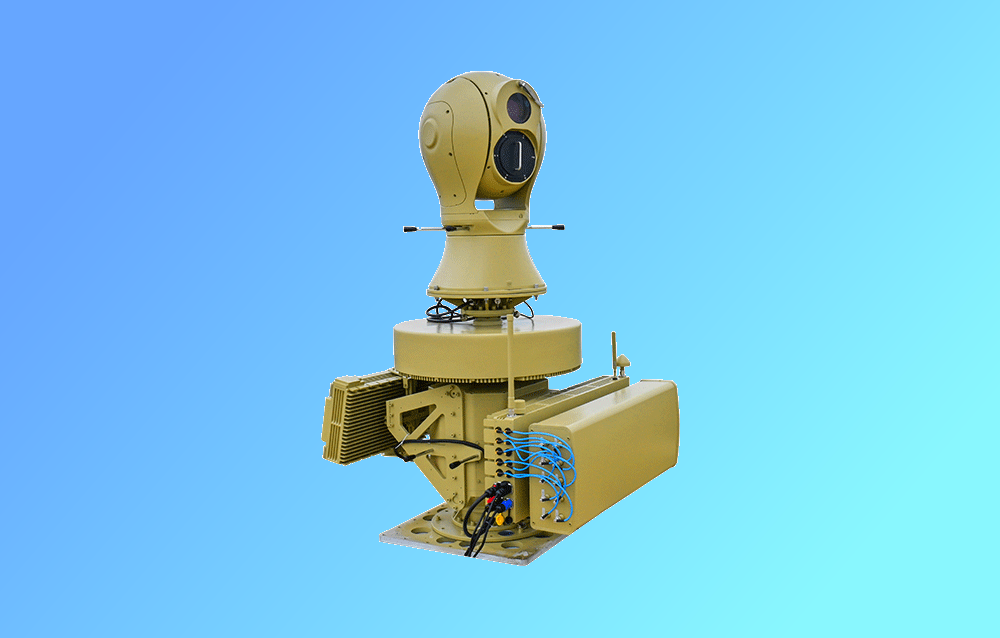
Domestically, during an airport test in December 2025, the “Tian Shield” system simultaneously jammed 5 simulated drone swarms, forcing all of them to land within 4 seconds without affecting civil aviation communications. Its core strengths lie in adaptive spectrum sensing and a multi-channel parallel jamming architecture, effectively solving the challenge of jamming swarms with frequency hopping capabilities.
2. Breakthroughs Achieved in Cross-Domain Integration of Counter-UAS Operational Chains
In the past, public security, military, and civil aviation authorities each deployed independent systems, creating “information silos.” In 2025, the first domestic “Air-Ground Integrated” joint counter-UAS combat drill was realized:
-
Public security departments provided ground-based acoustic array positioning.
-
Civil aviation shared air traffic control radar data to assist in trajectory prediction.
-
Military forces deployed portable directed energy devices for precision strikes.
The entire process, from detection to destruction, took only 3.5 seconds, validating the feasibility of cross-domain data fusion and unified command and control. As a key technology provider, an integrated platform successfully accessed data sources from all three parties, enabling “single-map command and control.”
3. Routine Combat Drills for Mobile Counter-UAS Operations Under Integrated Air Defense
In 2025, multiple military theaters integrated counter-UAS operations into their regular air defense systems. A unit in the Southwest conducted a “mobile accompanying protection” drill: vehicle-mounted countermeasure units advanced with convoys, dynamically intercepting simulated reconnaissance drones. Even while traveling at 60 km/h, the system could stably lock onto and suppress targets within an 8km range.
Such equipment emphasizes high mobility, rapid deployment, and vibration resistance, and has become standard for field units. Several domestic counter-UAS defense system manufacturers have now launched vehicle-mounted and ship-borne versions to meet diverse battlefield requirements.
4. Successful Validation of Low-Collateral Damage Physical Interception Technology
For sensitive areas like cities and airports, physical interception must ensure “no falling, no explosion, no collateral injury.” In 2025, a provincial public security department tested a new controlled capture net projectile system: it launches a flexible interception net at an altitude of 100 meters, envelops the target, and then deploys a parachute for a safe, controlled landing. The entire process is electromagnetic interference-free, making it suitable for electromagnetic-sensitive areas like hospitals and schools.
Although the cost of this technology is relatively high, it demonstrated unique value during major event security, becoming an important supplement to electronic jamming.
5. Accelerated Development of Regional RF Suppression Capabilities
To address the risk of widespread unauthorized flights, regional suppression has become a trend. In 2025, Chengdu Shuangliu Airport deployed a distributed RF suppression network consisting of 12 small nodes, covering a radius of 15 kilometers. The system intelligently allocates power, applying differentiated jamming to various areas, thereby avoiding communication interference caused by omnidirectional suppression.
This solution reduces power consumption by 60% and supports remote maintenance. It has been promoted in multiple 4F-class airports.
6. Proximity Counter-UAS Protection for Law Enforcement and Airport Security Becomes an Essential Need
Following the implementation of the “Interim Regulations on the Flight Management of Unmanned Aircraft” in 2025, public security and airport authorities were granted clear authorization to employ technical countermeasures. This led to a surge in demand for portable devices. Man-portable handheld terminals, weighing only 6kg, can complete target identification and directional suppression within 10 seconds and have been deployed in over 30 public security units.
Such equipment emphasizes ease of operation, rapid response, and legal compliance, becoming “standard gear” for front-line law enforcement personnel.
7. Refinement of Passive Physical Protection Systems for Fixed Assets
Beyond active countermeasures, passive protection is equally important. In 2025, a nuclear power plant constructed a “three-layer physical barrier”:
-
Outer layer: Acoustic + thermal imaging warning zone.
-
Middle layer: Directed energy suppression zone.
-
Core layer: Metal shielding net + microwave-absorbing material.
Even if active systems fail, the physical barriers can still block drone signals or force them to crash, creating a “dual safety net.”
8. Validation of High-Power Microwave System Effectiveness Against Drone Swarms
In 2025, China publicly tested a High-Power Microwave directed energy counter-UAS product for the first time. During a simulated swarm attack, the system emitted microsecond pulses, instantly burning out the flight control chips of multiple drones, achieving a “single shot, multiple kills.” Its advantage lies in its independence from target frequency bands, making it effective even against silently flying targets.
This HPM technology is being integrated into the “Tian Shield” system as an “ultimate measure” against high-risk swarms and is currently in the small-scale trial phase.
9. Validation of Aerial Platform Mobile Strike Capabilities
In 2025, a military theater conducted a “drone vs. drone” drill: a large industrial drone equipped with a countermeasure module ascended to 500 meters to perform top-down suppression on low-altitude drones. The aerial platform provided an unobstructed field of view, tripling the detection range and allowing for rapid maneuvering into threat areas.
This mode is particularly suitable for challenging terrains like mountainous areas or waters where ground deployment is difficult, and may operate in coordination with manned aircraft in the future.
10. Industry Consensus: Integrated Multi-Layer Defense is the Only Way Forward
Reviewing the progress of the top ten global counter-UAS breakthroughs in 2025, a clear conclusion emerges: no single technology can counter complex threats. Only by building an integrated multi-layer defense system characterized by “diverse sensing, intelligent decision-making, tiered countermeasures, and second-level response” can we truly establish a robust low-altitude security defense line.
As one industry expert put it, “Price isn’t the core issue; reliability is the line between life and death. A system failure at a critical moment could mean the collapse of an entire defense line.”
Conclusion: From “Capable” to “Reliable,” Counter-UAS Technology Enters a New Phase of High-Quality Development
In 2025, global counter-UAS technology has moved from concept validation into a phase of deep combat application. Whether it’s electronic jamming, directed energy, cross-domain synergy, or physical interception, the value lies not in individual performance metrics, but in the ability to integrate into an overall defense ecosystem, achieving a fast, accurate, stable, and safe closed-loop response.
For Chinese counter-UAS defense system manufacturers, this represents not only a technological challenge but also a mission of the times. Only by adhering to independent innovation, focusing on practical combat needs, and rigorously controlling product quality can we truly safeguard every inch of our national airspace in this crucial battle for low-altitude security.
