
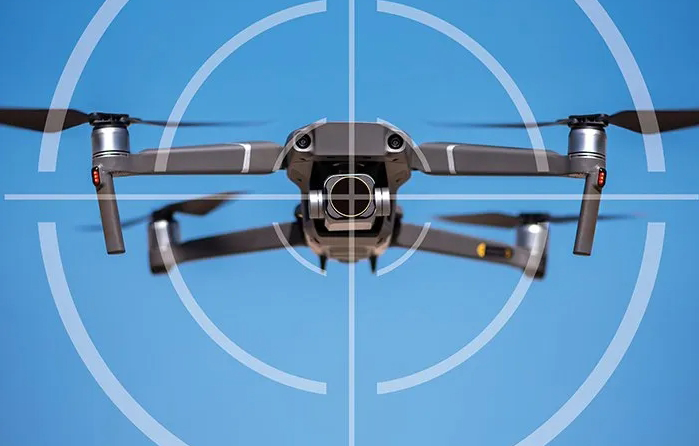


Counter-drone technology refers to a series of systems and methods used to detect, identify, interfere with, deceive, control, or even destroy unmanned aerial vehicles (UAVs). These technologies are designed to mitigate the growing threats posed by unauthorized or hostile drones.
A typical counter-drone system usually consists of the following key components:
Search and Detection Systems
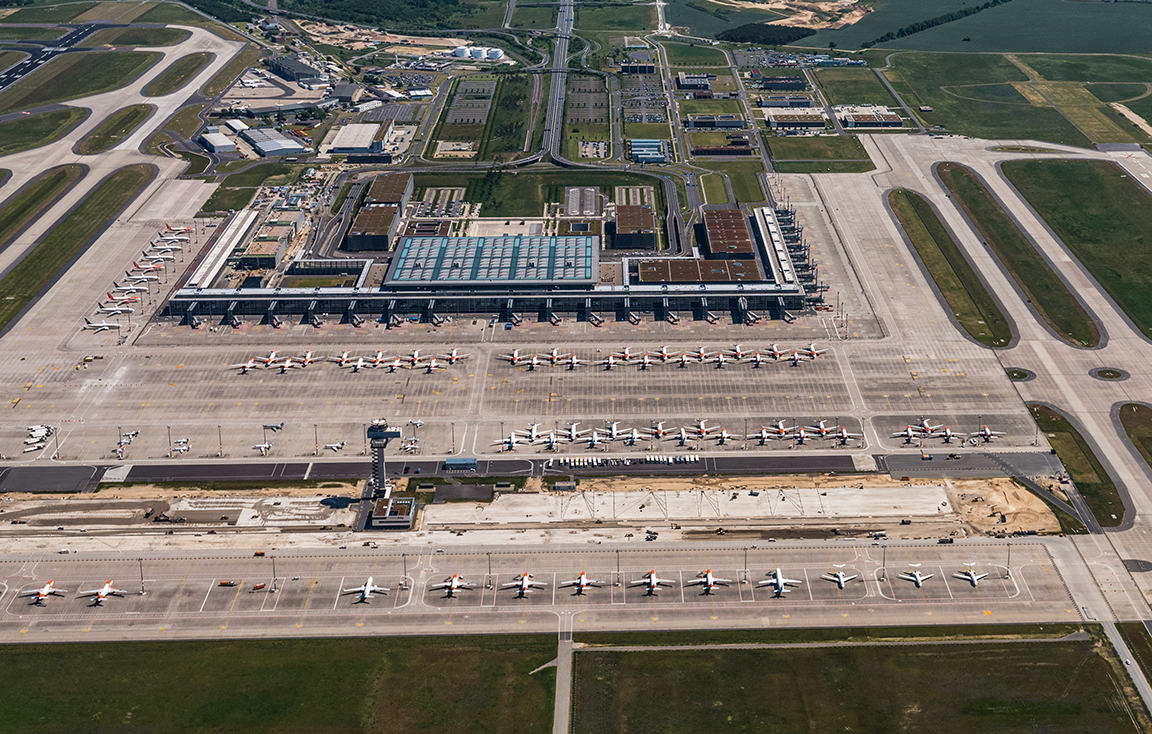
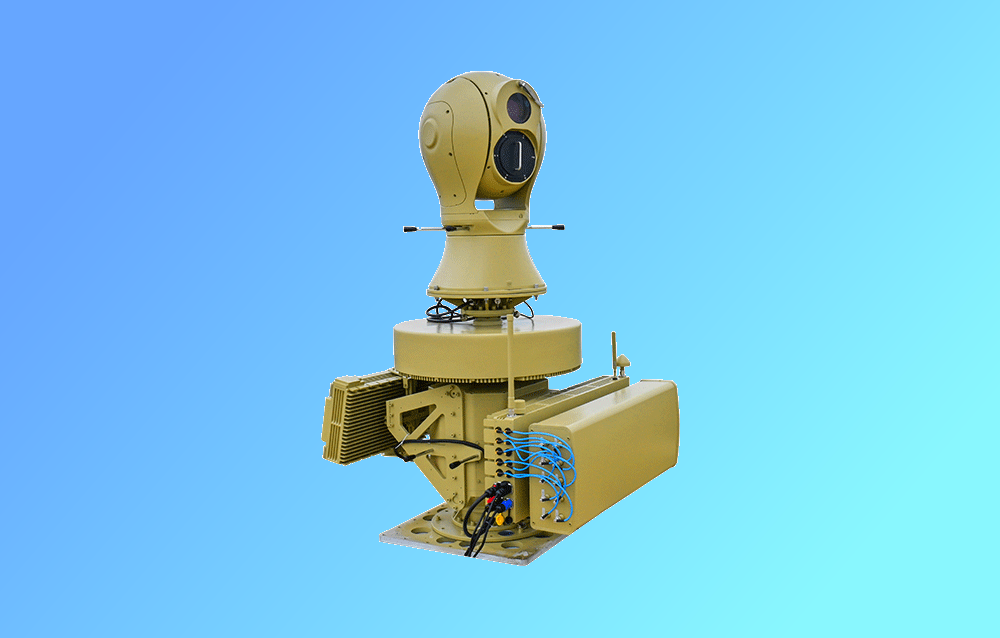
These systems are responsible for monitoring low-altitude targets within a protected area and providing target location information. They typically include surveillance radars and radio frequency (RF) spectrum monitoring systems. These subsystems can operate independently or in combination to enhance detection performance.
Optical Tracking Systems
Optical tracking systems are used to automatically track detected targets, ensuring that directional antennas of RF jamming systems remain accurately aligned with the drone in real time.
Radio Frequency Jamming Systems
RF jamming systems disrupt a drone’s GPS signals and wireless telemetry links, causing loss of control and preventing the drone from continuing its flight.
Command and Control Unit
The command and control unit is responsible for system status monitoring, operational control, situational awareness display, and human–machine interaction.
Classification of Counter-Drone Systems
At present, counter-drone systems can generally be divided into three main categories:
-
Detection and Control Systems:
These systems focus on monitoring, identifying, and controlling drones to prevent potential threats. -
Hard-Kill Systems:
These systems aim to physically destroy intruding drones using kinetic or directed-energy means. -
Interference and Disruption Systems:
These systems disable drones by interfering with their communication and navigation links.
Each technology has its own strengths and limitations. For example, radar systems may be affected by complex urban environments, while RF detection systems may struggle against drones using encrypted communications. Therefore, an effective counter-drone solution often requires the integration of multiple technologies to improve efficiency and reliability.
As drone technology continues to evolve, counter-drone systems are also advancing to address increasingly complex UAV threats.
Future Development Trends of Counter-Drone Systems
Diversified Detection, Tracking, and Early Warning Technologies
Future counter-drone systems will increasingly rely on diversified detection and early warning technologies, such as ground-based visual observation equipment, radar systems, airborne early warning platforms, and satellites. These advancements will enable timely detection and precise tracking, providing more accurate intelligence support for counter-drone operations.
Highly Efficient Neutralization Technologies
Neutralization technologies will continue to develop, including the use of missiles, lasers, and high-power microwave systems to destroy drones. Improvements in these technologies will allow counter-drone systems to eliminate threats more rapidly and effectively.
Advanced Interference Technologies
Interference techniques will further evolve, encompassing electro-optical countermeasures, control signal interference, and data link jamming. Effective interference can disable a drone’s autonomous control systems, communication links, and power systems, thereby significantly degrading or neutralizing its operational capabilities.
Innovation in Camouflage and Deception Technologies
To reduce the effectiveness of drone surveillance and reconnaissance, future developments may focus on optical, infrared, acoustic, and electronic camouflage and deception technologies. These innovations will help protect critical assets from UAV-based observation and targeting.
Technology Upgrades for Emerging Challenges
As drones improve their ability to operate in Global Positioning System (GPS)-denied environments, counter-drone systems must also evolve. Emerging technologies such as quantum radar are expected to drive the development of new Positioning, Navigation, and Timing (PNT) systems for GPS-denied environments, potentially rendering traditional GNSS jamming systems obsolete and posing significant challenges to existing counter-drone solutions.
Strategies to Counter Drone Swarms
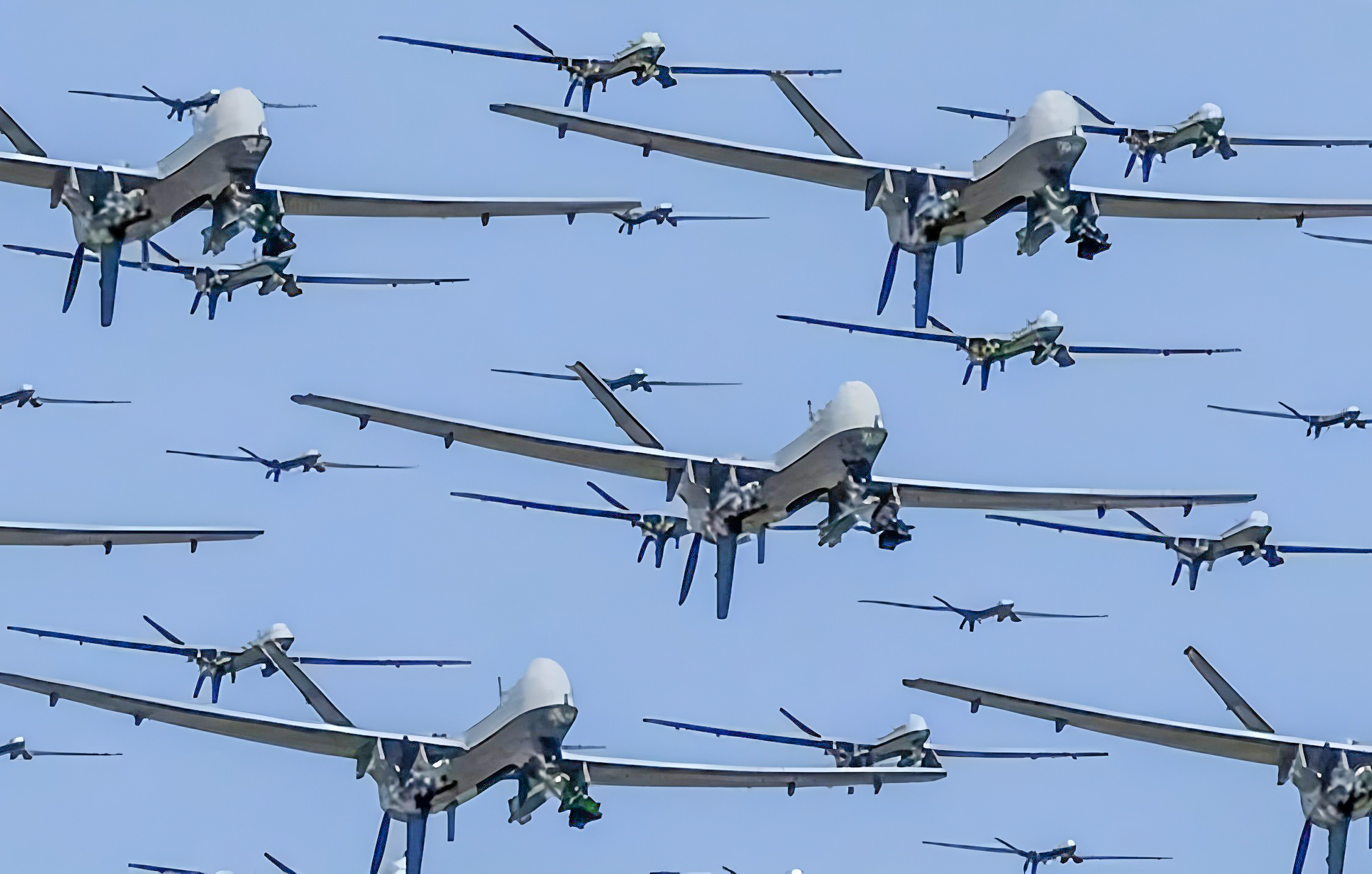
Drone swarm attacks represent a major future threat. With ongoing improvements in drone size, weight, and power (SwaP) characteristics and decreasing production costs, swarm technology is expected to usher in a new era of UAV capabilities. Counter-drone systems must therefore be capable of effectively countering coordinated attacks by multiple networked autonomous drones.
Conclusion
Overall, the future development of counter-drone technology will be characterized by diversification, higher efficiency, and continuous adaptation to emerging UAV technologies and evolving threat scenarios.
