
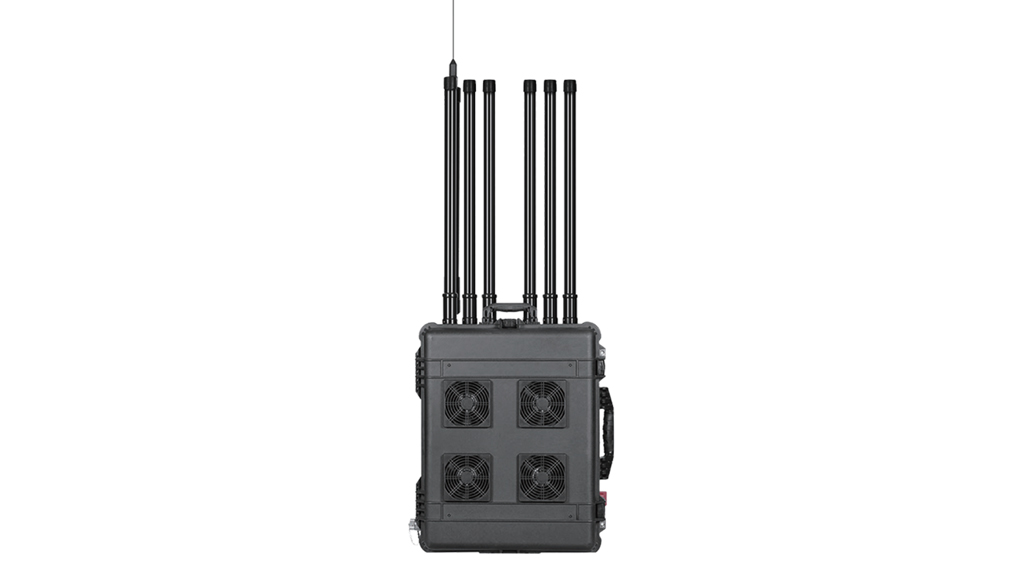

What Is a Drone Jamming Module and How Does It Work?
As unmanned aerial vehicles (UAVs) become more accessible and capable, protecting sensitive airspace has become a growing challenge. One of the most widely used counter-UAV solutions is the drone jamming module. This article explains what a drone jamming module is, how it works, and why it plays a critical role in modern anti-drone systems.
What Is a Drone Jamming Module?
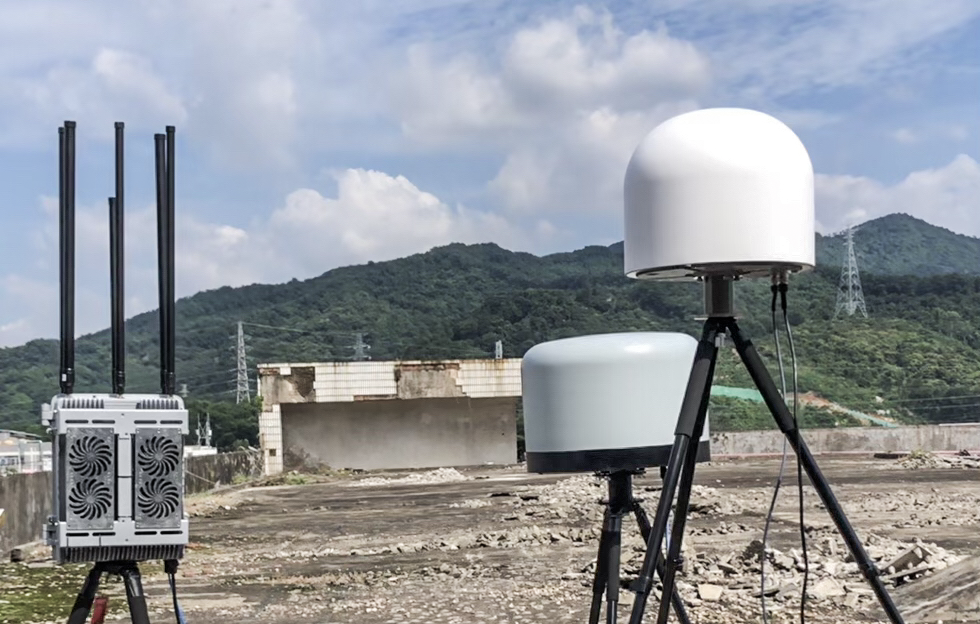
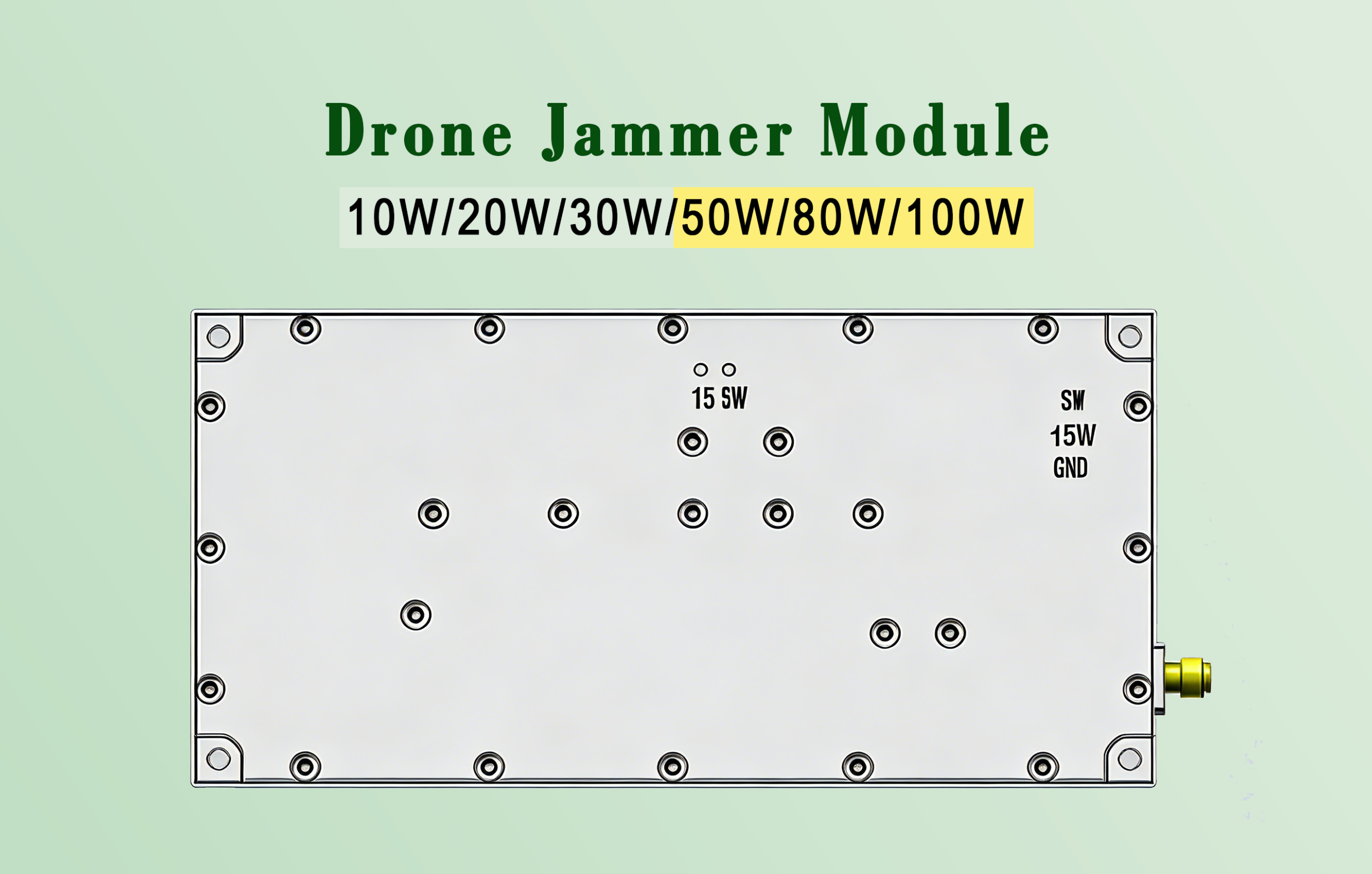
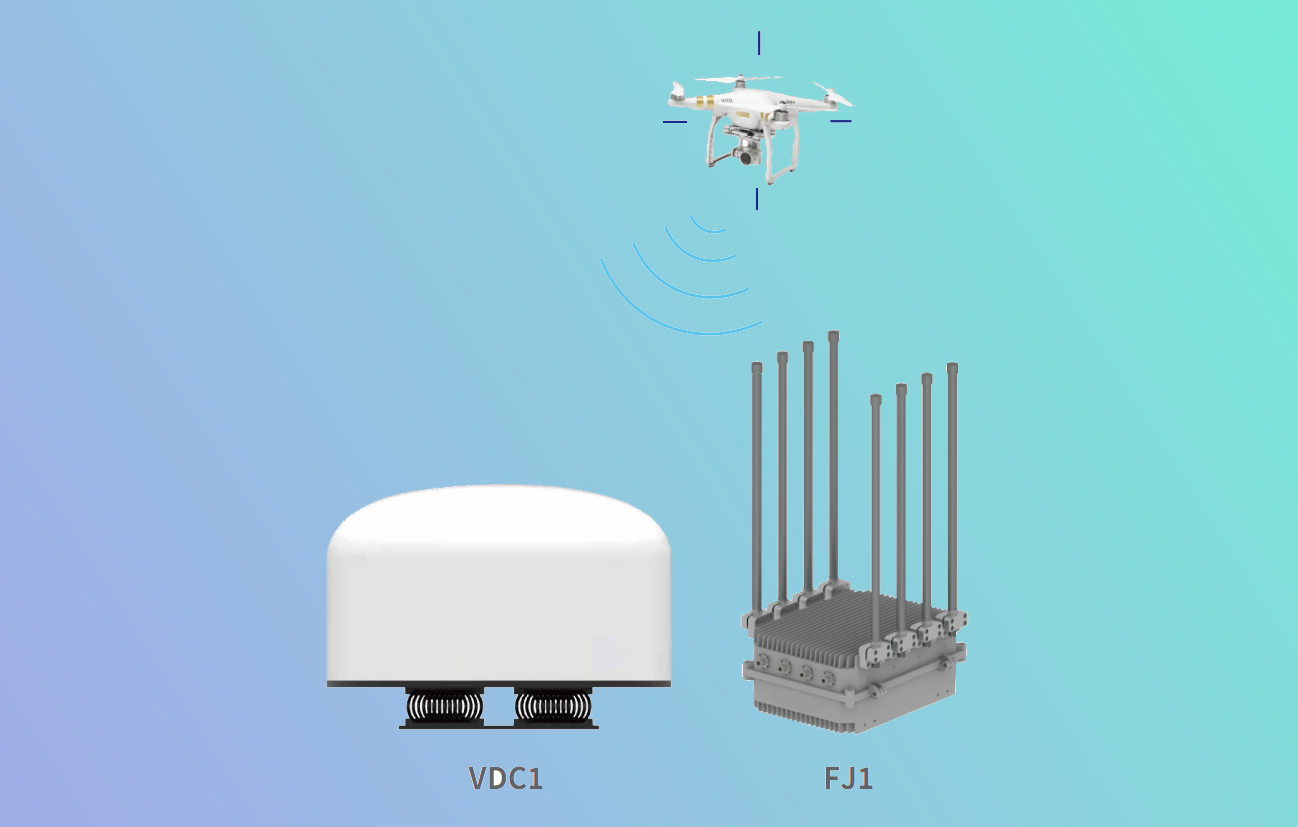
A drone jamming module is a radio frequency (RF) device designed to interfere with the communication signals between a drone and its operator or navigation system. By disrupting these links, the module prevents the drone from receiving control commands or positioning data, forcing it to hover, return, or land depending on its built-in safety logic.
Drone jamming modules are typically integrated into:
They are commonly used by authorized organizations to protect restricted or high-risk areas from unauthorized UAV activity.
How Does a Drone Jamming Module Work?
Drone jamming modules work by transmitting interference signals on the same frequency bands used by drones. The goal is not to destroy the drone, but to overpower or disrupt its communication links.
1. Signal Interference Principle
Most drones rely on RF signals for:
-
Remote control (uplink)
-
Video transmission (downlink)
-
Navigation and positioning (GNSS such as GPS)
A drone jamming module emits a stronger or disruptive RF signal within these same frequency ranges, reducing the signal-to-noise ratio and making normal communication unreliable or impossible.
2. Common Jamming Targets
Depending on the configuration, a drone jamming module may target:
-
Control links (e.g. 433MHz, 915MHz, 2.4GHz)
-
Video transmission links (2.4GHz, 5.8GHz)
-
Satellite navigation signals (GPS L1/L2 bands)
When these links are disrupted, the drone may:
-
Lose control and hover
-
Automatically return to its takeoff point
-
Perform an emergency landing
Key Frequency Bands Used in Drone Jamming
Different drones operate on different frequency bands. Effective drone jamming modules are designed to cover one or multiple bands, such as:
-
400–500MHz: Long-range control and telemetry
-
840–1000MHz: FPV drones and custom UAVs
-
2.4GHz: WiFi-based control and video transmission
-
5.8GHz: High-definition video downlinks
-
GNSS bands: Satellite navigation interference
Multi-band drone jamming modules are often used to counter modern drones that can switch frequencies automatically.
Main Components of a Drone Jamming Module
A professional anti-drone jamming module typically includes:
-
RF signal source (analog sweeping or digital DDS)
-
Power amplifier (LDMOS or GaN technology)
-
Filtering and impedance matching circuits
-
Heat dissipation system
-
Protection circuits for VSWR and overload
High-quality design ensures stable output power, long service life, and continuous operation in demanding environments.
Types of Drone Jamming Modules
1. Single-Band Jamming Modules
Designed to interfere with one specific frequency band. Suitable for targeted applications or controlled environments.
2. Wideband Jamming Modules
Cover a broad frequency range and are effective against multiple drone types, including FPV racing drones.
3. High-Power Jamming Modules
Typically 50W, 100W, or higher output power, used for long-range or area protection.
Typical Applications of Drone Jamming Modules
Drone jamming modules are widely used in:
-
Military and defense facilities
-
Airports and aviation security zones
-
Prisons and correctional institutions
-
Government buildings and borders
-
Critical infrastructure such as power plants and refineries
-
Large public events and VIP protection
Their role is to prevent unauthorized UAV intrusion, data leakage, and potential security threats.
Advantages of Using Drone Jamming Modules
-
Non-destructive drone countermeasure
-
Immediate response to aerial threats
-
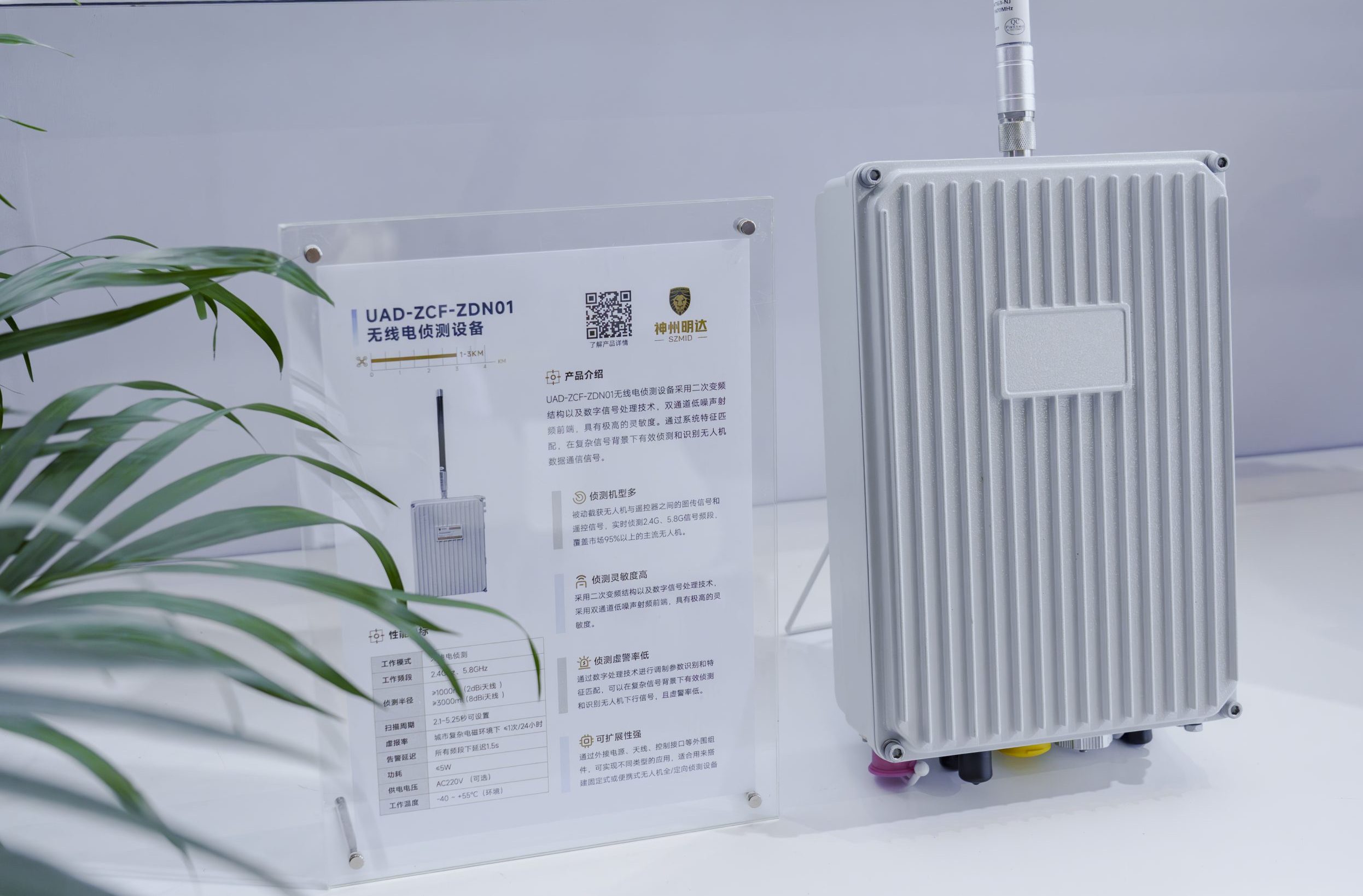
Compatible with detection and tracking systems
-
Scalable for different power levels and coverage areas
-
Can be customized for specific frequency requirements
Legal and Regulatory Considerations
Drone jamming technology is subject to strict regulations in many countries due to its impact on radio communications. Drone jamming modules are typically restricted to:
-
Government agencies
-
Military or law-enforcement users
-
Authorized security organizations
Always ensure compliance with local laws and regulations before deploying any anti-drone jamming equipment.
Conclusion
A drone jamming module is a core component of modern anti-drone technology, designed to disrupt UAV communication and navigation signals without physical damage. By understanding how drone jamming modules work, their frequency coverage, and application scenarios, security professionals can better evaluate appropriate counter-UAV solutions for their needs.
As drones continue to evolve, advanced and customizable drone jamming modules will remain a key tool in safeguarding sensitive airspace.
