

Drones have transformed industries such as photography, logistics, agriculture, and infrastructure inspection. However, their rapid growth has also created new security risks. Unauthorized drones can enter restricted areas, conduct surveillance, or interfere with critical operations. This is where an anti-drone system becomes essential.
An anti-drone system, also known as a counter-UAV system, is designed to detect, track, identify, and neutralize unauthorized drones. These systems help protect airspace, infrastructure, and people from potential drone-related threats.
This beginner guide explains what anti-drone systems are, how they work, and why they are increasingly important in today’s security landscape.
What Is an Anti-Drone System?
An anti-drone system is a combination of hardware and software designed to prevent unauthorized drones from operating in protected airspace. These systems use detection technologies to locate drones and countermeasure technologies to stop them.
The main goal of an anti-drone system is to:
-
Detect drone presence
-
Identify drone type or signal
-
Track drone position and movement
-
Neutralize or disrupt drone operation
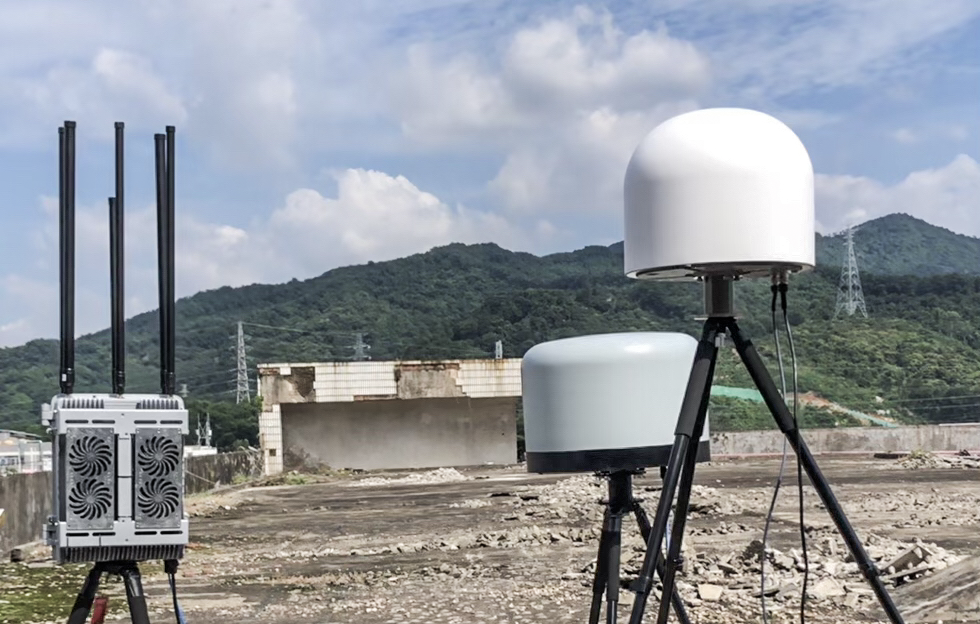
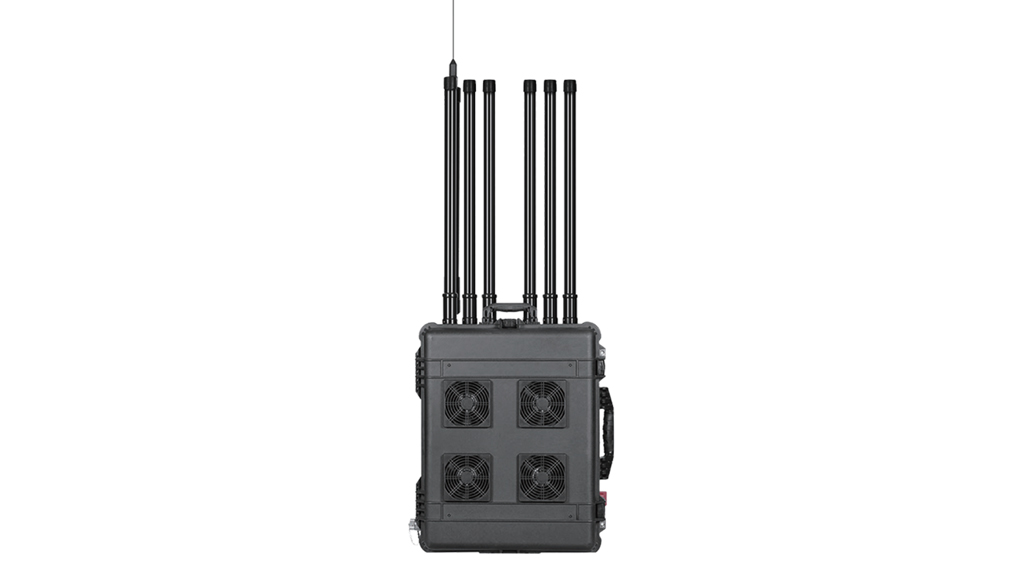
Anti-drone systems can be deployed in fixed locations, mounted on vehicles, or used as portable units.
Why Anti-Drone Systems Are Important
As drones become more affordable and accessible, the risk of misuse increases. Anti-drone systems help prevent:
-
Unauthorized surveillance
-
Airspace violations
-
Security breaches
-
Disruption to airports and public events
-
Threats to critical infrastructure
Organizations use anti-drone systems to ensure safety, privacy, and operational continuity.
How Does an Anti-Drone System Work?
An anti-drone system typically operates in four stages:
1. Detection
The system first detects the presence of a drone using various technologies, such as:
-
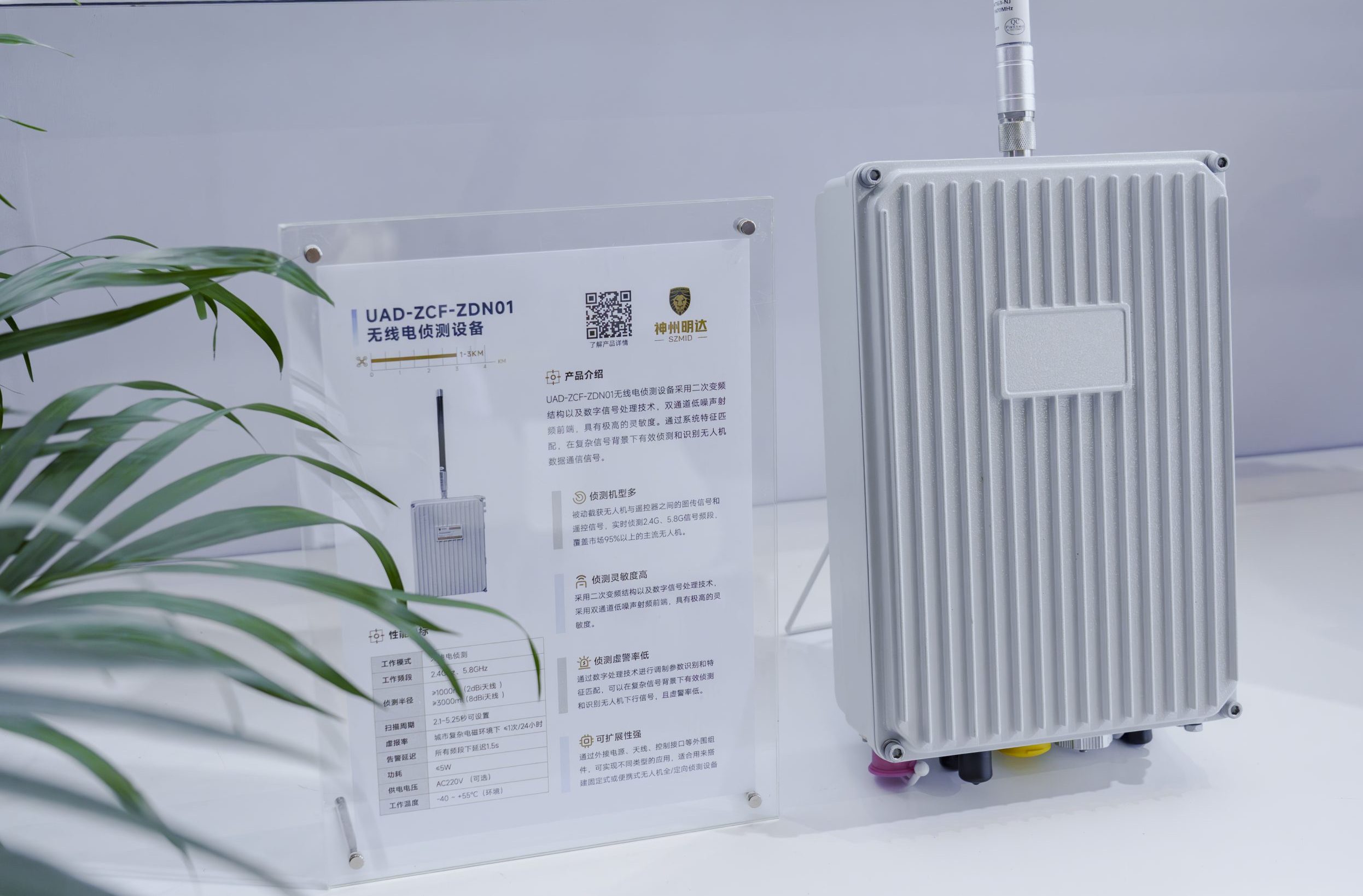
RF (radio frequency) detection
-
Radar systems
-
Acoustic sensors
-
Optical cameras
RF detection is especially effective because most drones rely on wireless communication.
2. Identification
After detection, the system analyzes the signal or visual data to identify the drone type and determine whether it is authorized or unauthorized.
Some advanced systems can identify:
-
Drone model
-
Communication frequency
-
Signal characteristics
3. Tracking
Tracking systems monitor the drone’s location, speed, and flight path in real time. This allows security personnel to assess the threat level and respond appropriately.
Tracking technologies may include:
-
Radar tracking
-
RF triangulation
-
Camera tracking
4. Neutralization
Once confirmed as a threat, the system can neutralize the drone using countermeasure technologies.
Common neutralization methods include:
-
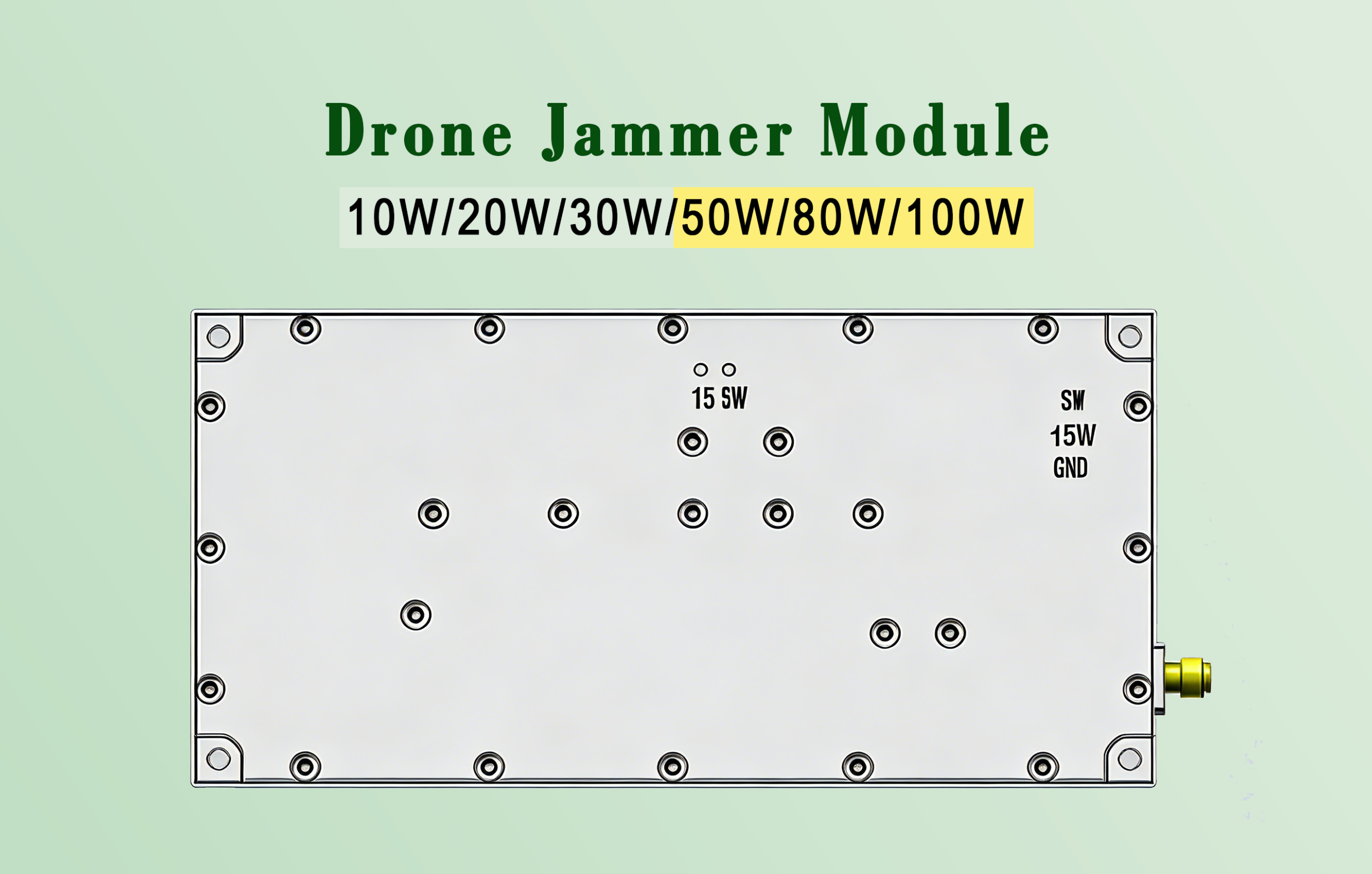
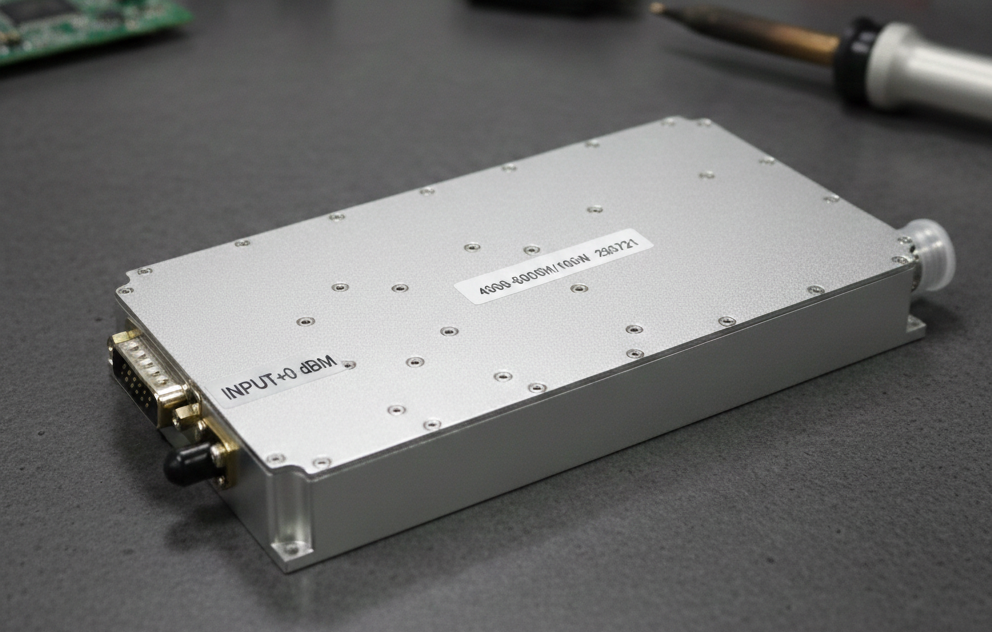
RF interference using a drone jammer module
-
GPS signal disruption
-
Protocol-based takeover (in some systems)
These methods disrupt the communication between the drone and its operator.
Key Components of an Anti-Drone System
An effective anti-drone system typically includes several core components:
RF Detection Module
Detects radio signals between the drone and controller.
Radar System
Identifies and tracks drone position over longer distances.
Camera System
Provides visual confirmation and monitoring.
Drone Jammer Module
A drone jammer module transmits interference signals to disrupt drone communication, preventing control and navigation.
Control and Monitoring Software
Central software platform that integrates all detection and countermeasure components.
Types of Anti-Drone Systems
Anti-drone systems come in different forms depending on the application.
Fixed Anti-Drone Systems
Installed at permanent locations such as airports, military bases, or government facilities.
Portable Anti-Drone Systems
Handheld or portable systems designed for temporary or mobile use.
Vehicle-Mounted Systems
Installed on security vehicles for mobile protection.
Integrated Multi-Layer Systems
Combine multiple detection and countermeasure technologies for maximum protection.
Where Are Anti-Drone Systems Used?
Anti-drone systems are widely used in various industries and sectors:
-
Airports and aviation facilities
-
Military and defense locations
-
Government buildings
-
Critical infrastructure (power plants, communication towers)
-
Border security areas
-
Public events and stadiums
-
Industrial and commercial facilities
These systems help prevent unauthorized drone activity and maintain secure airspace.
Benefits of Using an Anti-Drone System
Anti-drone systems offer several important advantages:
-
Protect sensitive areas from drone threats
-
Prevent unauthorized surveillance
-
Improve airspace security
-
Support law enforcement and security teams
-
Reduce operational risks
They provide a proactive approach to managing drone-related risks.
Choosing the Right Anti-Drone System
When selecting an anti-drone system, important factors include:
-
Detection range
-
Countermeasure capability
-
Frequency coverage
-
Integration capability
-
Reliability and durability
-
Customization options
Choosing the right system ensures effective protection and long-term performance.
Conclusion
An anti-drone system is an essential solution for protecting airspace and infrastructure from unauthorized drones. By combining detection, tracking, and neutralization technologies such as a drone jammer module, these systems provide comprehensive drone defense.
As drone usage continues to increase worldwide, anti-drone systems will play a critical role in maintaining safety, security, and operational stability.
