
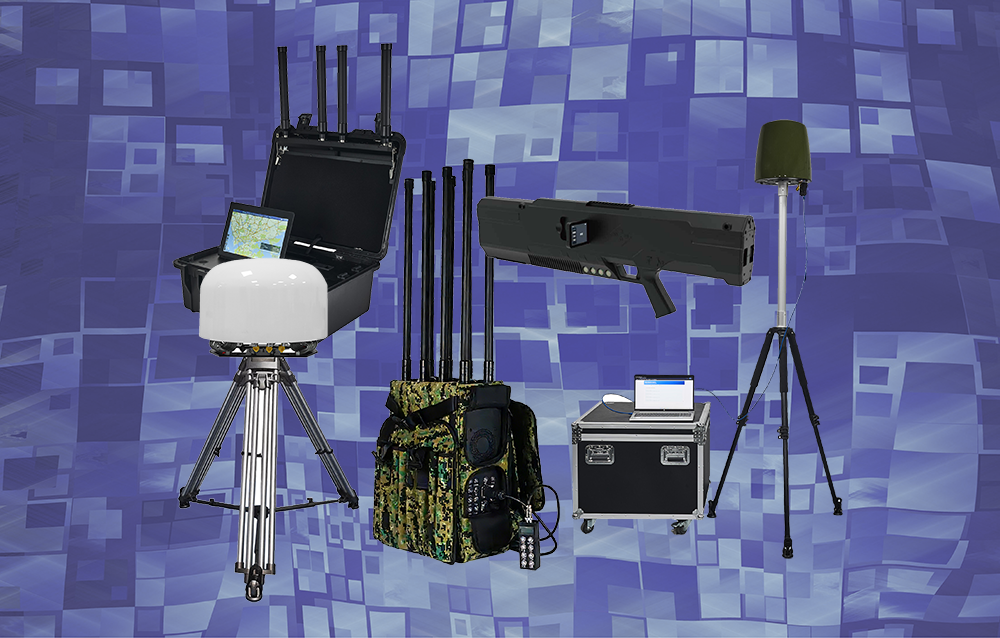
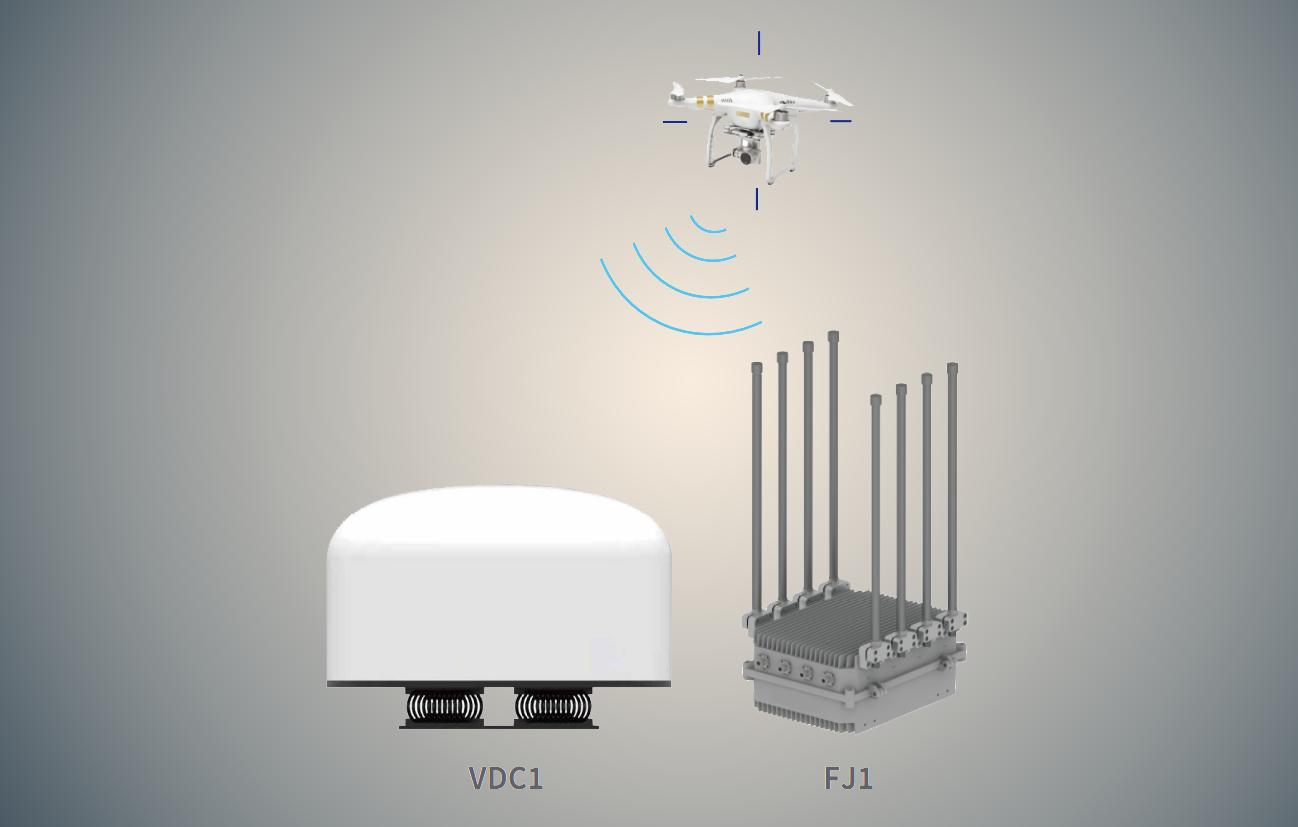
As drones become more accessible and their misuse more common, interest in counter-drone technology has skyrocketed. Among the most popular and visually striking countermeasures is the anti-drone gun, also known as a drone jammer gun or handheld drone jammer.
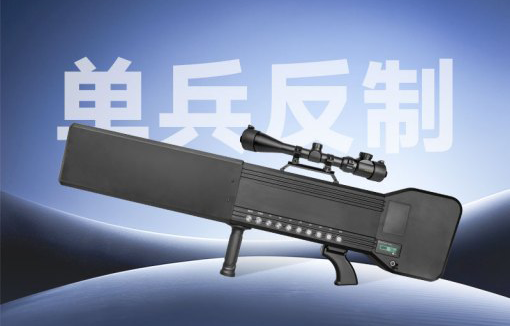
If you are considering an anti-drone gun for security purposes, you likely have many questions. This FAQ guide addresses the most common inquiries to help you understand what these devices can and cannot do.
1. What Exactly is an Anti-Drone Gun?
An anti-drone gun is a portable, handheld electronic device designed to neutralize unauthorized drones. Despite the name, it is not a firearm. It does not fire bullets, projectiles, or lasers. Instead, it emits powerful radio frequency signals directed at a target drone to disrupt its communication links.
2. How Does a Drone Jammer Gun Work?
A drone requires two critical links to operate: the control link (from the pilot to the drone) and the video link (from the drone back to the pilot). Many drones also rely on GPS/GNSS signals for positioning and stability.
The anti-drone gun works by emitting a high-power RF signal on the same frequencies the drone uses. When aimed at the drone, this “noise” drowns out the legitimate signals, effectively cutting the ties between the drone and its operator.
3. What Happens to the Drone When It Gets Jammed?
When the communication link is severed, a drone is programmed to enter a “fail-safe” mode. The outcome typically depends on the drone’s manufacturer settings:
-
Return-to-Home (RTH): The drone attempts to fly back to its take-off point. This is the most common behavior for consumer drones.
-
Auto-Land: The drone descends and lands vertically wherever it is.
-
Hover/ Loiter: Some drones may simply hover in place until the battery dies (less common).
-
Crash: In some cases, if the drone loses GPS and control simultaneously, it may become unstable and crash, though this is not the intended outcome of jamming.
4. How Far Can an Anti-Drone Gun Reach?
The effective range of an anti-drone gun varies significantly based on several factors:
-
Output Power: Higher wattage generally means longer range. Modules range from 10W to over 100W.
-
Antenna Gain: The antenna focuses the signal. A high-gain antenna increases effective range.
-
Environment: Open areas with clear line of sight allow for maximum range. Urban environments with buildings and trees reduce it.
-
Drone Type: A consumer toy drone is easier to jam at distance than a commercial drone with robust receivers.
Typically, effective ranges for handheld jammers are between 500 meters and 3 kilometers, with high-end models reaching further.
5. Will It Work on All Drones? (FPV vs. Consumer Drones)
This is a critical question. Standard consumer drones (like DJI models) operate on predictable frequencies (2.4GHz, 5.8GHz) and are highly susceptible to jamming.
FPV racing drones or DIY drones are more challenging. They often use frequency hopping or non-standard frequencies. To counter them, an anti-drone gun needs wideband coverage and agile jamming capabilities. As discussed in our article on FPV drone countering, multi-band modules covering 400MHz to 6GHz are essential for this threat.
6. Is It Legal to Own or Use an Anti-Drone Gun?
This is the most important question with the most complex answer. Laws vary dramatically by country and jurisdiction.
-
United States: The FCC strictly prohibits the use of jammers by civilians. They are generally restricted to federal law enforcement, military, and certain authorized government agencies. Using one can result in heavy fines.
-
Europe: Similar restrictions apply under radio equipment regulations. Use is typically limited to military, police, and critical infrastructure protection under strict licensing.
-
Other Regions: Laws vary. Some countries have more permissive environments for security professionals, while others have total bans.
Always consult with local legal counsel and regulatory authorities before purchasing or operating an anti-drone gun.
7. Can It Interfere with My Own Electronics?
A quality anti-drone gun is directional, meaning the signal is focused in a cone in front of the device. If you are standing behind the operator, you are generally safe. However, if you stand in front of the device while it is active, you could experience interference with Wi-Fi, Bluetooth, or other devices.
Professional-grade units are designed to minimize “backlash” and spillover, but operators should always be aware of their surroundings and avoid pointing the device at people, buildings, or sensitive electronics.
8. What Are the Key Features to Look for in a Drone Jammer Gun?
If you are in the market and legally authorized to purchase, consider these factors:
-
Frequency Coverage: Does it cover all bands used in your area (e.g., 2.4GHz, 5.8GHz, 900MHz, GPS L1/L2)?
-
Output Power: Higher power generally means better range, but also more heat and battery drain.
-
Battery Life: Look for hot-swappable batteries for extended operations. Typical battery life is 60-90 minutes of cumulative trigger time.
-
Weight and Ergonomics: Can an operator hold it steady for several minutes? Weight distribution matters.
-
Durability: It should be ruggedized for field use (weather-resistant, shock-resistant).
-
Thermal Management: As highlighted in our heat dissipation article, good cooling ensures continuous operation without power drop-off.
9. Are There Different Types of Anti-Drone Guns?
Yes. They generally fall into two categories:
-
Single-Band/Selective Jammers: Allow the operator to choose which frequency to jam (e.g., jam 2.4GHz but leave 5.8GHz alone). Useful when you want to force a specific behavior.
-
Multi-Band/Full-Spectrum Jammers: Jam all drone frequencies simultaneously for maximum assurance. Simpler to operate but consume more power and generate more heat.
10. How Much Does an Anti-Drone Gun Cost?
Prices vary widely based on capabilities, power, and manufacturer reputation.
-
Entry-Level/Consumer Models: Lower power, limited bands. Range: $2,000 – $10,000.
-
Professional/Commercial Models: Multi-band, higher power, rugged design. Range: $15,000 – $40,000.
-
Military/Tactical Grade: Maximum power, wideband coverage, advanced features like integrated aiming sights. Range: $50,000+.
11. Do I Need Training to Use One?
Absolutely. An anti-drone gun is a sophisticated piece of electronic warfare equipment. Proper training covers:
-
Legal compliance and rules of engagement.
-
Identifying drone types and their frequencies.
-
Proper aiming and trigger discipline.
-
Understanding drone behaviors (RTH vs. land).
-
Battery and equipment maintenance.
12. What Are the Limitations of Anti-Drone Guns?
No technology is perfect. Anti-drone guns have limitations:
-
Line of Sight: They need a clear visual on the drone. Obstacles block the signal.
-
One at a Time: Most handheld units engage one drone at a time. Swarm attacks are a challenge.
-
Battery Dependent: Mission time is limited by battery life.
-
Regulatory Risk: Using one without authorization carries severe penalties.
Summary
An anti-drone gun is a powerful, non-kinetic tool for neutralizing drone threats. It offers mobility and immediate response capability that fixed systems cannot match. However, it is not a magic wand. Its effectiveness depends on matching the right technology to the threat, understanding its limitations, and, most importantly, operating strictly within the bounds of the law.
For security professionals facing dynamic drone threats, a handheld jammer remains one of the most versatile tools in the counter-UAS arsenal.
