
Introduction

As China‘s photovoltaic (PV) power generation capacity continues to expand rapidly—reaching 1.20 TW by the end of 2025—the security of solar farms has become an increasingly critical concern for energy infrastructure operators. Among the most pressing threats is the unauthorized intrusion of drones, commonly referred to as “black flight” or “illegal drone operations,” which can disrupt normal operations, damage equipment, and even cause cascading failures across power grids.
This article presents a real-world project case of a photovoltaic power plant in Jiangxi Province that implemented a comprehensive drone defense strategy combining radio detection technology and drone spoofing systems. The solution was designed to ensure the safety and operational stability of the solar facility while fully complying with China‘s national security standards for power industry counter-terrorism protection.
Project Background
The solar farm is located in Jiangxi Province, one of China‘s key regions for solar energy development. Jiangxi is home to numerous PV projects, including large-scale installations such as the 80 MW “fishery-solar complementation” photovoltaic power plant on the shores of Poyang Lake and the 20 MW mountainous PV plant in Yanshan County. The province’s diverse terrain, ranging from rugged mountains to dispersed land parcels, poses unique challenges for perimeter security and drone defense.
In recent years, China has witnessed a sharp rise in civilian drone ownership, accompanied by a corresponding increase in security incidents caused by uncontrolled “black flight” operations. Drones interfering with the normal operations of power plants, transmission grids, and other power facilities have caused serious consequences. As a result, the construction of drone prevention and control systems for power grid facilities has been increasingly prioritized by relevant national authorities.
Security Challenges for Photovoltaic Power Plants
PV power plants face several unique vulnerabilities when it comes to drone intrusions:
-
Large, open perimeters – Solar farms typically cover vast, sparsely populated areas that are difficult to monitor continuously with traditional security personnel.
-
Vulnerable equipment – Drone collisions or deliberate sabotage can damage expensive solar panels, inverters, and other sensitive infrastructure.
-
Potential for cascading failures – A drone crashing into high-voltage transmission lines or substation equipment could trigger short circuits and widespread power outages.
-
Covert threat vectors – Small drones can enter protected areas unnoticed, potentially carrying payloads or conducting surveillance without immediate detection.
Defense Strategy: Detection + Spoofing
To address these challenges, the Jiangxi PV power plant adopted a two-pronged defense strategy leveraging early detection and precision spoofing technologies.
Core Defense Principles
The system was designed around the following operational requirements:
-
Continuous, unmanned operation – The system must operate automatically 24 hours a day, 7 days a week, without requiring on-site personnel attendance.
-
Regulatory compliance – The system‘s transmission power and frequency bands must conform to relevant national regulations.
-
No harmful interference – System operation must not cause harmful interference to surrounding critical facilities, including the power system’s timing synchronization.
-
Certified equipment – The system must be backed by test reports from nationally accredited radio detection and certification agencies.
Recommended Products
| Equipment | Model |
|---|---|
| Radio Detection Equipment | UAD-ZDN01 |
| Drone Spoofing System | UADS-P01 |
Product Details
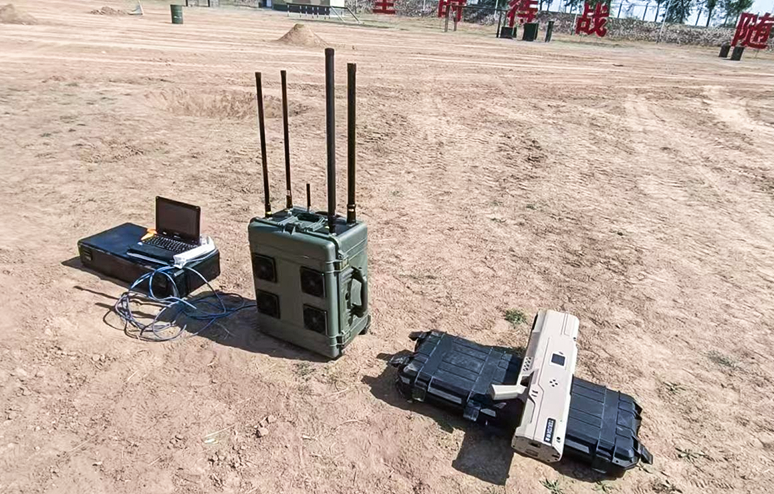
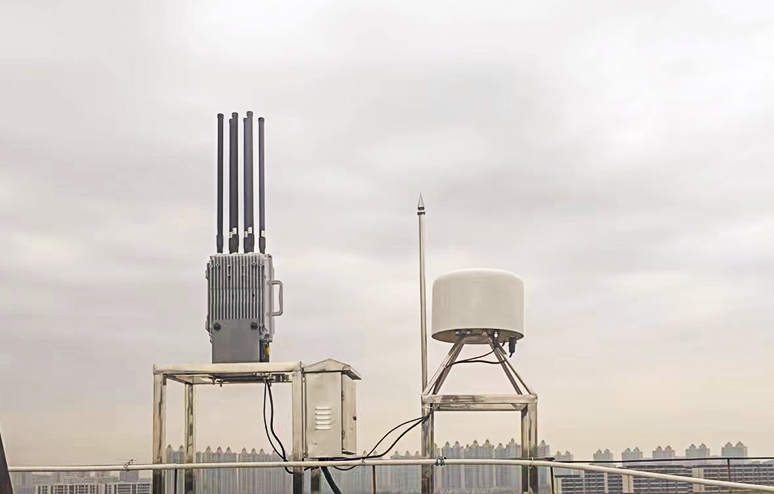
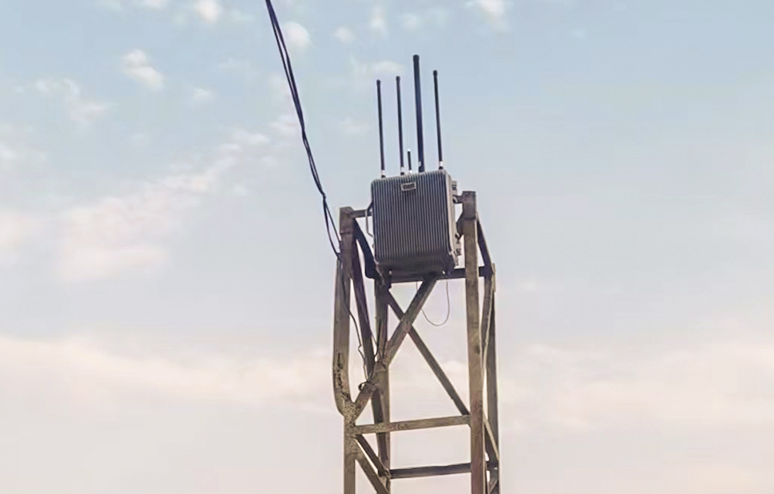
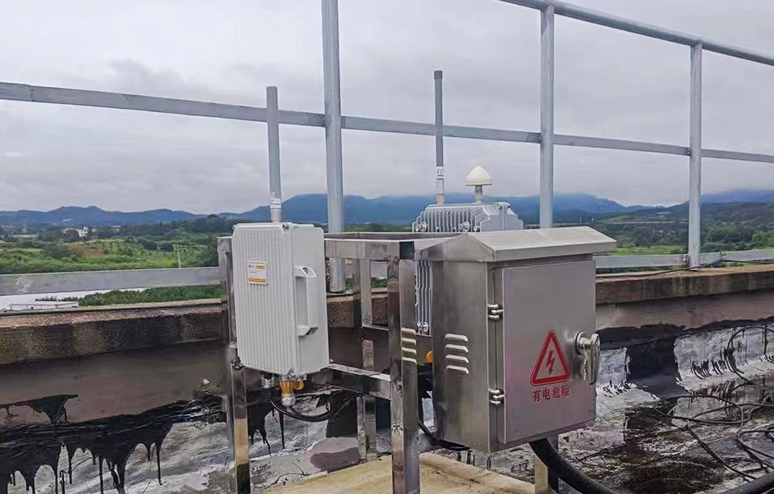
1. UAD-ZDN01 Radio Detection Equipment
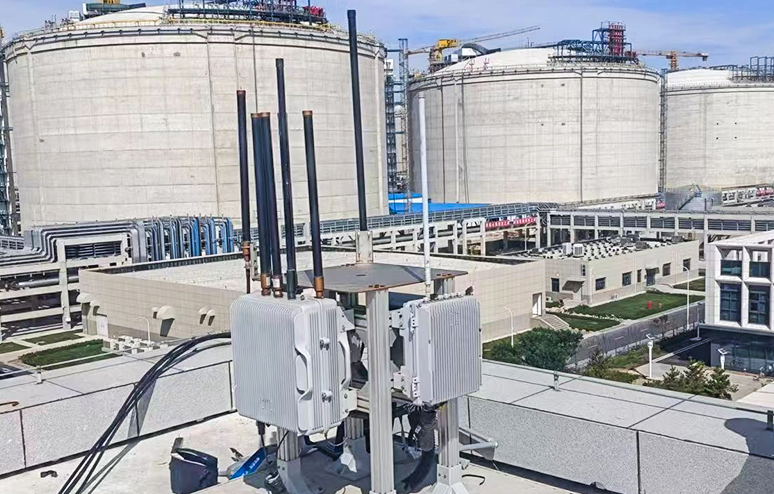
The UAD-ZDN01 is a fixed drone detection device designed to identify and track unauthorized UAVs within the protected airspace. It utilizes a combination of analog RF technology and modern digital signal processing to achieve high sensitivity and extremely low false alarm rates.
Key Technical Specifications:
| Parameter | Specification |
|---|---|
| Detection sensitivity | Extremely high; with 6dBi antenna, detection distance reaches >70% of drone‘s video transmission range |
| Power consumption | Average 5W at peak performance, 2.5W in low-power mode, 0.2W in standby |
| Operating temperature | -40°C to +70°C (industrial-grade) |
| Target compatibility | Mainstream domestic and international brand drones, DIY assembled drones, racing drones |
| False alarm rate | Extremely low, especially advantageous in complex electromagnetic environments |
| Expansion capability | Supports IFF (Identification Friend or Foe) integration; multiple units can work in sync for direction finding |
How it works: The device employs secondary frequency conversion and intermediate frequency digital processing technology, combining the advantages of traditional analog receivers with modern digital receivers. The RF front end features a professional limiter, allowing normal operation even near jammers without sustaining damage. The built-in RF analog front-end, secondary frequency receiver, high-speed A/D converter, and digital signal processor are optimized for the radio frequency bands commonly used by civil drones.
Integration flexibility: The equipment is primarily used for UAV detection and identification and can be freely matched with countermeasure equipment or deception equipment to form a complete defense system.
2. UADS-P01 Drone Spoofing System
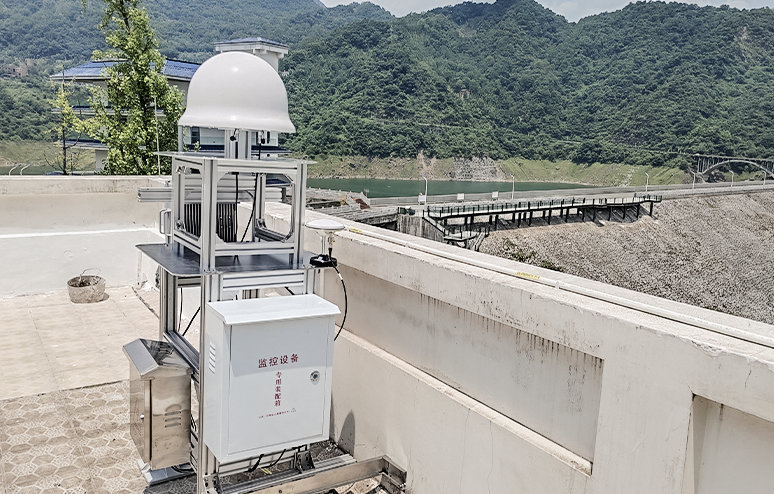
The UADS-P01 (also known as the Shenzhou III / Shen Gong III drone defense system) is a fixed drone spoofing system designed to neutralize unauthorized drones through navigation signal deception rather than brute-force jamming.
Key Technical Specifications:
| Parameter | Specification |
|---|---|
| Spoofing range | >500m, <1000m (adjustable within 500m) |
| Transmission power | ≤10dBm (equivalent to ≤10mW) |
| Signal types | GPS-L1 and GLONASS-L1 |
| Signal synchronization | Simulated navigation signals achieve satellite ephemeris and time synchronization precision <1μS |
| Enclosure options | Standard type and explosion-proof type available |
| Compliance | Meets technical requirements of GA 1551-2019 and GA 1800.1-2021/1800.6 |
How it works: The system regenerates satellite navigation induction signals on at least two frequencies and injects deceptive coordinate information into the drone’s satellite navigation receiver. By radiating low-power regenerated navigation satellite signals (power ≤10dBm), the system invades the navigation system of “black flight” drones, enabling interception control and preventing them from entering protected areas.
Advantages of spoofing over jamming:
Unlike traditional RF jammers that emit high-power signals and risk interfering with surrounding electronics, spoofing technology offers a more surgical approach. The low-power nature of the spoofing signal ensures compliance with regulatory transmission power limits while effectively achieving zone denial and no-fly zone projection functions. This method is currently one of the few technical approaches that satisfy the transmission power ≤10mW requirement specified in anti-terrorism prevention standards.
Scalability: The system can be expanded to integrate radio detection and suppression capabilities, enabling a unified detection, countermeasure, and spoofing architecture. It supports both standalone and networked operation, making it suitable for power systems, petrochemical facilities, and other critical anti-terrorism protection applications.
Industry Standard Compliance
The project was developed in full compliance with China‘s Public Security Industry Standard GA 1800.1-2021 through GA 1800.6-2021, titled “Requirements for Public Security and Counter-Terrorism Prevention of Power System” . This standard, proposed by the National Counter-Terrorism Work Leading Group Office, the Public Security Administration Bureau of the Ministry of Public Security, the Counter-Terrorism Bureau of the Ministry of Public Security, and the Science and Technology Informatization Bureau of the Ministry of Public Security, and managed by the National Security Alarm System Standardization Technical Committee (SAC/TC100), was officially approved and released on April 25, 2021, and took effect on August 1, 2021.
The standard applies to six categories of power enterprises:
-
Grid enterprises
-
Thermal power generation enterprises
-
Hydropower generation enterprises
-
Wind power generation enterprises
-
Solar power generation enterprises
-
Nuclear power generation enterprises
For each category, the standard establishes clear requirements for establishing anti-drone defense systems.
Five specific compliance requirements for anti-drone systems:
| No. | Requirement |
|---|---|
| 1 | System transmission power and frequency bands must comply with relevant national regulations |
| 2 | The system must operate automatically 24 hours a day without requiring personnel attendance |
| 3 | System operation must not cause harmful interference to surrounding critical facilities |
| 4 | Safeguard measures must be in place to prevent impact on power system timing synchronization |
| 5 | The system must be backed by a test report from a nationally accredited radio detection and certification agency |
The UAD-ZDN01 and UADS-P01 systems described in this case meet all five compliance requirements. The UADS-P01 spoofing system specifically meets the transmission power ≤10mW requirement outlined in GA 1551-2019 and GA 1800.1-2021/1800.6, and has obtained explosion-proof, lightning-protection, and salt-spray corrosion certifications as optional configurations.
System Implementation and Operation
The implemented defense system operates on a continuous, automated basis. The radio detection equipment monitors the protected airspace for any unauthorized UAV activity. Upon detection of a suspicious drone, the system:
-
Identifies the drone‘s presence and characteristics via the UAD-ZDN01 radio detection unit
-
Verifies the threat level and determines whether the drone is authorized or unauthorized
-
Activates the UADS-P01 spoofing system to generate deception signals
-
Neutralizes the threat by projecting a no-fly zone or creating a zone denial effect, preventing the drone from entering the protected facility
The entire process occurs without human intervention, fulfilling the standard’s requirement for unattended 24/7 operation.
Benefits Realized
Since the deployment of the drone detection and spoofing defense system, the Jiangxi PV power plant has achieved the following security outcomes:
-
Uninterrupted operations – Zero drone-related operational disruptions reported
-
Regulatory compliance – Full alignment with GA 1800 series standards, ensuring readiness for counter-terrorism inspections
-
Minimal electromagnetic footprint – Low-power spoofing technology avoids harmful interference with power system timing and neighboring facilities
-
Cost-effective protection – Combined detection and spoofing solution provides comprehensive coverage without the expense of multiple standalone systems
-
Certified reliability – Equipment backed by national radio detection agency certifications
Conclusion
The Jiangxi photovoltaic power plant project demonstrates how a well-designed anti-drone defense system combining radio detection technology (UAD-ZDN01) and drone spoofing technology (UADS-P01) can effectively protect critical energy infrastructure from unauthorized drone intrusions.
As China continues to expand its solar power capacity and the threat from uncontrolled “black flight” drones grows, energy facility operators must prioritize the deployment of compliant, effective counter-UAS solutions. The GA 1800 series standards provide a clear regulatory framework, and proven technologies like the UAD-ZDN01 and UADS-P01 offer practical, field-validated responses to these emerging security challenges.
For power plant operators, security managers, and energy infrastructure planners, the message is clear: early detection and precision spoofing work together to create a low-impact, high-reliability defense that protects both the facility and the broader power grid.
