
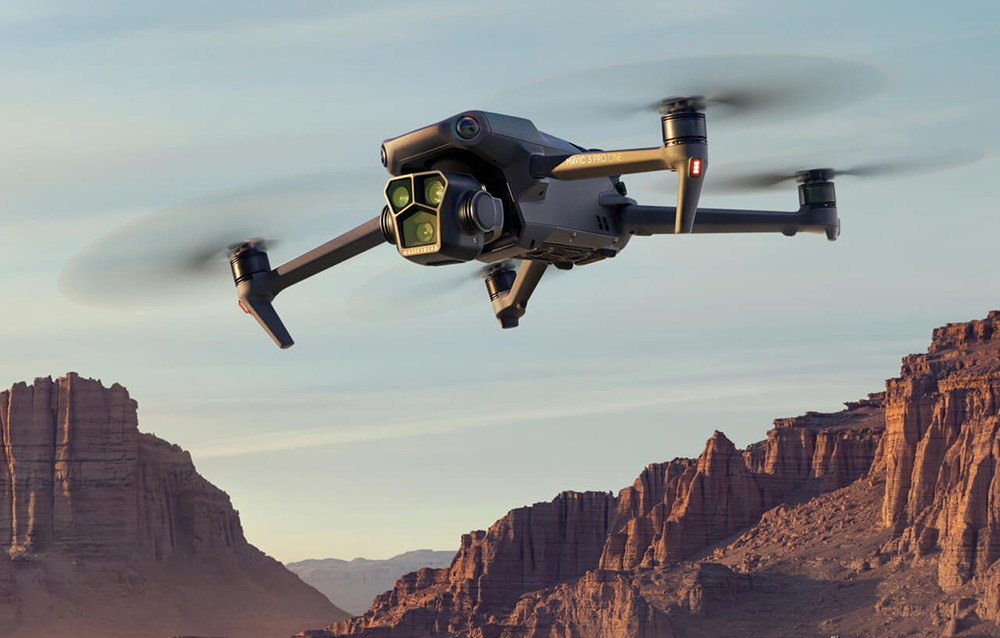
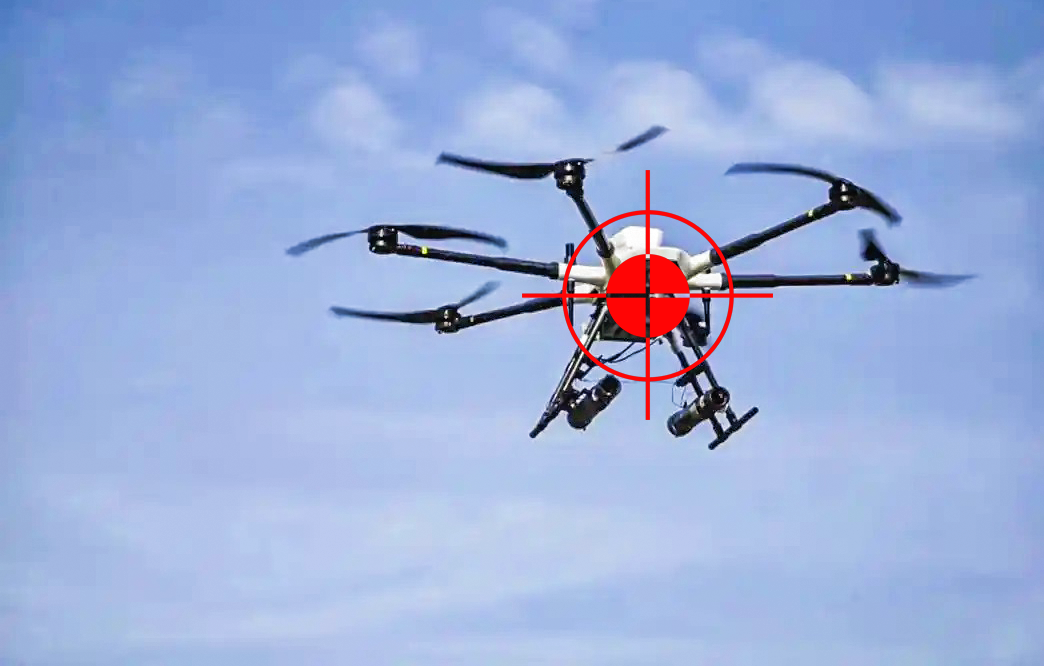

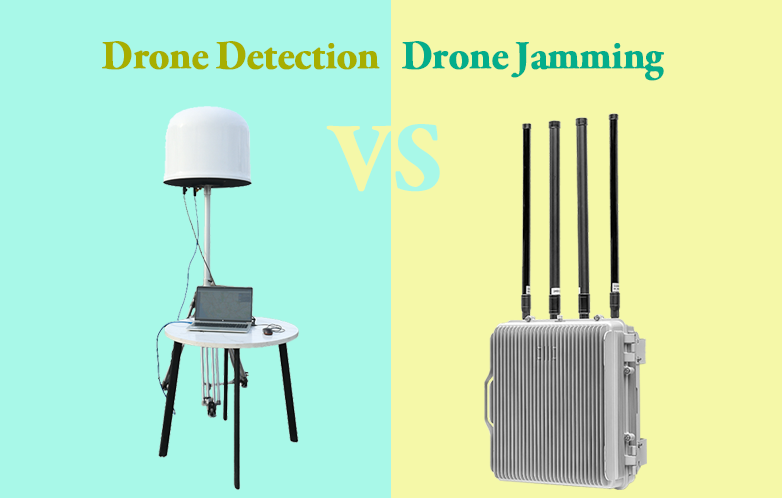
The modern battlespace has been fundamentally reshaped by the proliferation of small, commercially available unmanned aerial systems (sUAS). What was once the exclusive domain of superpowers is now a tool available to insurgent groups, reconnaissance units, and irregular forces. From the trenches of Eastern Europe to counter-terrorism operations in the Middle East, the threat posed by cheap FPV (First Person View) drones carrying grenades is immediate and lethal. To counter this asymmetry, defense forces are rapidly deploying advanced drone jammer modules as a core component of their layered air defense strategy.

The Military-Grade Difference
Unlike commercial or prison-grade jammers, military jammer modules are designed for spectrum dominance and extreme environmental survivability. A defense application module differs in three critical areas:
-
Power and Range: Military modules utilize Gallium Nitride (GaN) amplifiers, allowing for significantly higher Effective Radiated Power (ERP) while maintaining a compact form factor. This extends the denial radius from a few hundred meters (typical of civilian systems) to several kilometers, creating a protective bubble over forward operating bases (FOBs) or armored convoys.
-
Frequency Agility: Military systems must counter frequency-hopping spread spectrum (FHSS) radios used in modern military drones. These jammer modules operate across a much wider bandwidth, often from 400 MHz up to 6 GHz, and incorporate Software-Defined Radio (SDR) backends to adapt to new threats via waveform updates in the field.
-
Crypto-Secure Control: A military jammer is an electronic warfare (EW) asset. Its control interface must be encrypted to prevent enemy forces from hacking the jammer itself or using its signal as a homing beacon for anti-radiation missiles.
Tactical Deployment Scenarios
Military jammer modules are not standalone silver bullets; they are integrated components of a Counter-Unmanned Aircraft System (C-UAS) kill chain.
-
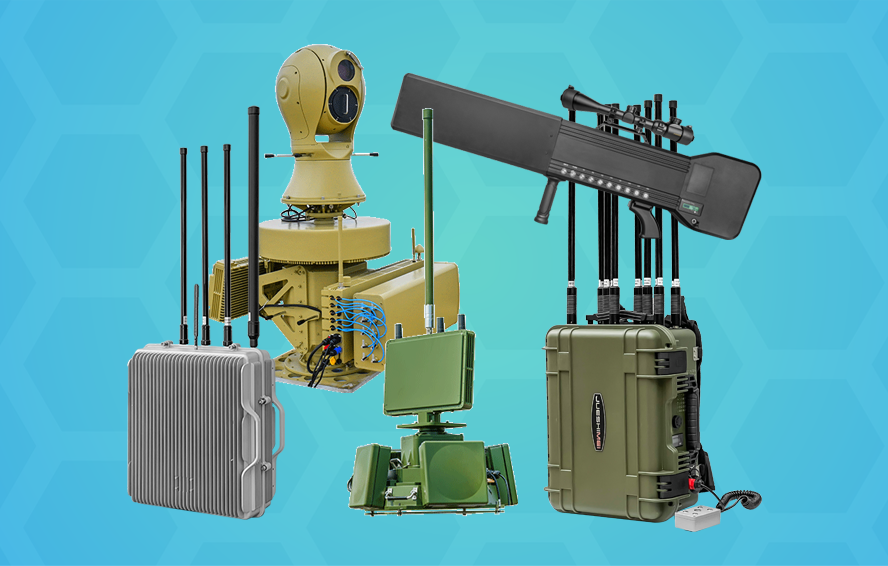
Dismounted Soldier Protection: The evolution of technology has produced man-portable jammer modules resembling rifle attachments or small backpacks. These “Drone Guns” or “Directional Disruptors” allow infantry squads to precisely target a hovering FPV drone. By emitting a narrow beam of interference, the soldier can sever the video link and control signal, causing the enemy drone to either crash or hover inertly. Crucially, the directional nature minimizes the unit’s own RF footprint, preserving operational security (OPSEC).
-
Vehicle-Mounted Convoy Jamming: Logistics convoys are prime targets for drone-dropped IEDs (Improvised Explosive Devices). Modern military vehicles are now being fitted with 360-degree reactive jamming modules. Integrated with vehicle radar and RF detectors, these modules automatically activate when a drone approaches within a 1.5 km threat ring. The system prioritizes jamming the GPS/GLONASS bands first to disable autonomous navigation, followed by the specific control frequency to force an immediate “Return to Home” or “Controlled Descent.”
-
Fixed Site and Critical Infrastructure Defense: For airfields, command posts, and ammunition depots, defense forces utilize high-power, mast-mounted modules. These systems create a persistent, programmed Electronic Protective Measure (EPM) dome. They often operate in a “listen-before-talk” mode, scanning the spectrum passively until a threat signature is detected, thereby conserving power and avoiding constant interference with friendly communication networks.
The Challenge of Autonomy and Electronic Warfare (EW) Resilience
The defense industry is in a constant cat-and-mouse game with drone technology. The most significant threat to jammer modules is the rise of autonomous terminal guidance. The newest generation of military drones uses machine vision to lock onto a target after launch, flying without any RF link. Against these threats, traditional jamming of the controller link is useless.
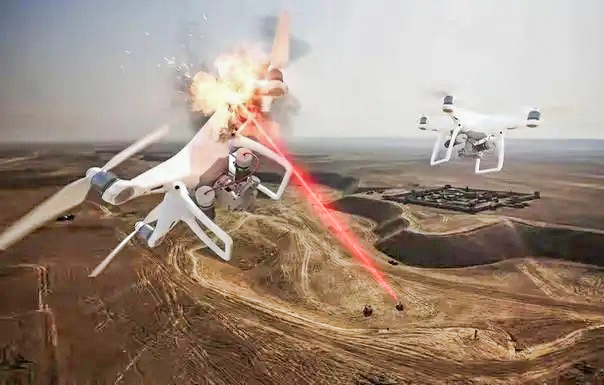
To counter this, military jammer modules are evolving into Smart Disruption Nodes. These devices combine GPS spoofing with high-power jamming. Instead of just blasting noise, the module can inject false coordinates into the drone’s navigation system, subtly steering the munition away from the protected asset and into an unpopulated area. Furthermore, these modules are being networked via battlefield management systems to provide commanders with a real-time Electronic Order of Battle (EOB) map of the airspace.
Compliance and Rules of Engagement
It is critical to note that military jammer modules are ITAR (International Traffic in Arms Regulations) controlled items and strictly regulated by national spectrum authorities like the NTIA (National Telecommunications and Information Administration) in the US. Their use is confined to authorized defense agencies and designated conflict zones to prevent disruption to civil aviation, GPS timing infrastructure, and emergency services.
Conclusion
As drone warfare becomes the defining characteristic of 21st-century conflict, the value of the drone jammer module transcends simple signal blocking. It is a force protection imperative. Whether carried by an individual soldier or mounted on a strategic asset, these modules provide the final, decisive layer of defense when kinetic options (missiles or bullets) are too expensive, too slow, or too dangerous to employ. In the invisible war of the electromagnetic spectrum, the ability to jam and deceive is just as vital as the ability to communicate.
