
Introduction
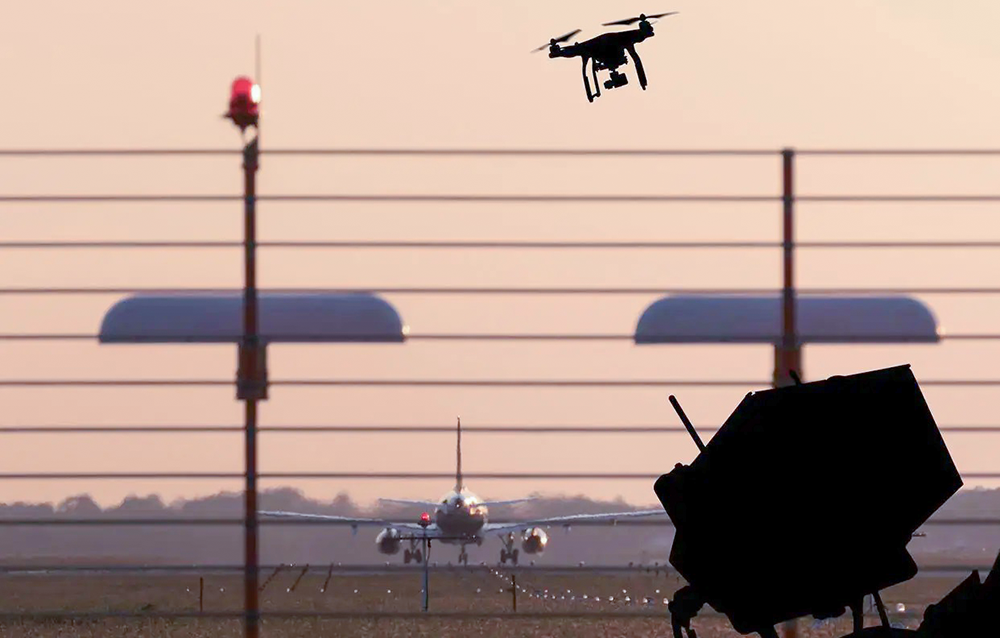
Drones are increasingly used for recreation, commercial operations, and surveillance, making anti-drone devices essential for protecting sensitive areas. This guide answers frequently asked questions to help users understand, deploy, and maintain these systems safely.

1. What Are Anti-Drone Devices?
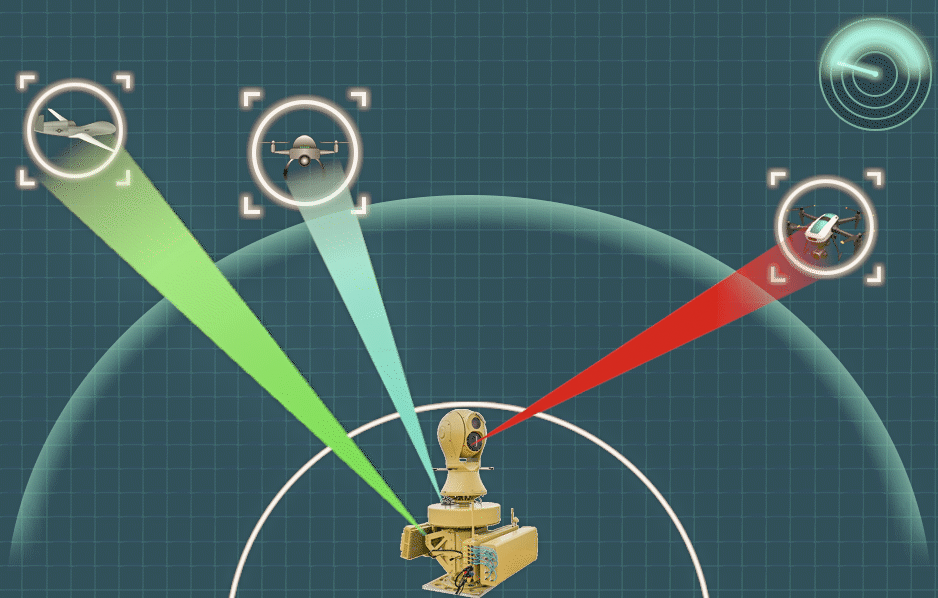
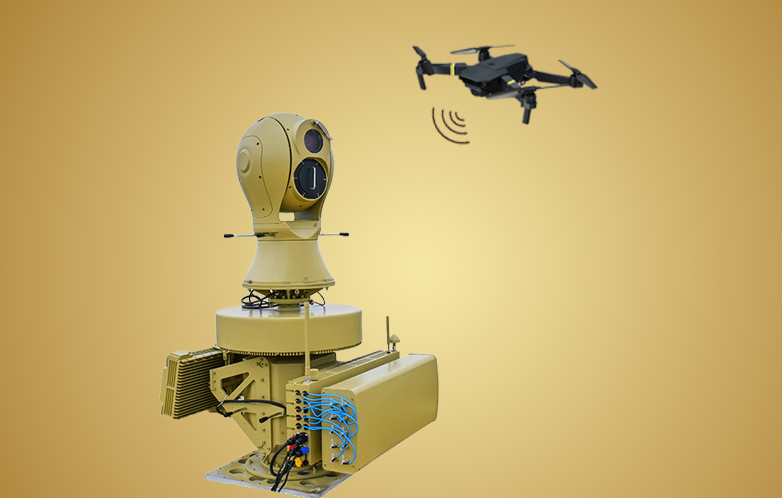
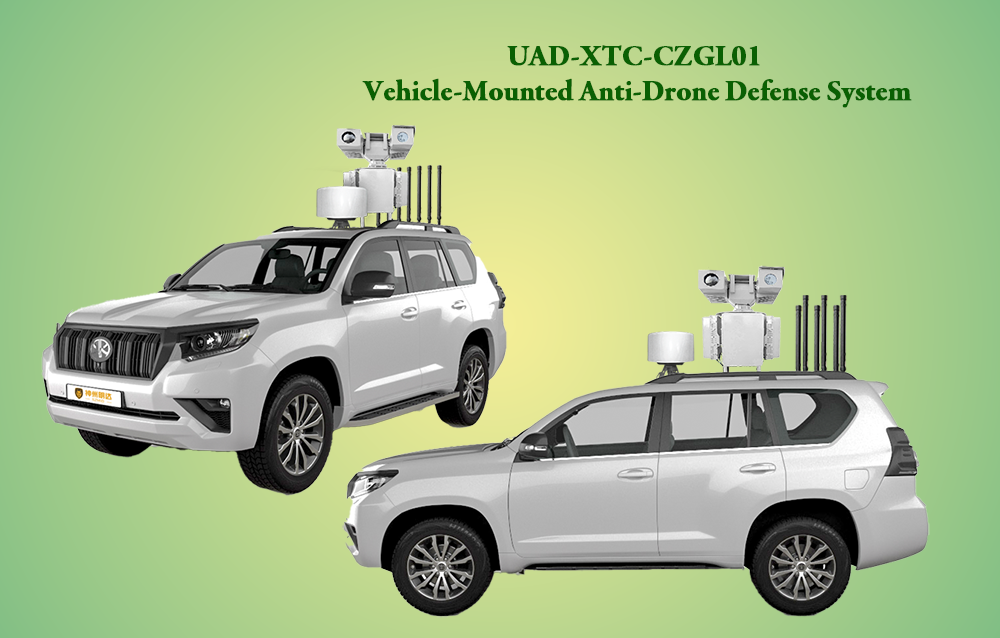
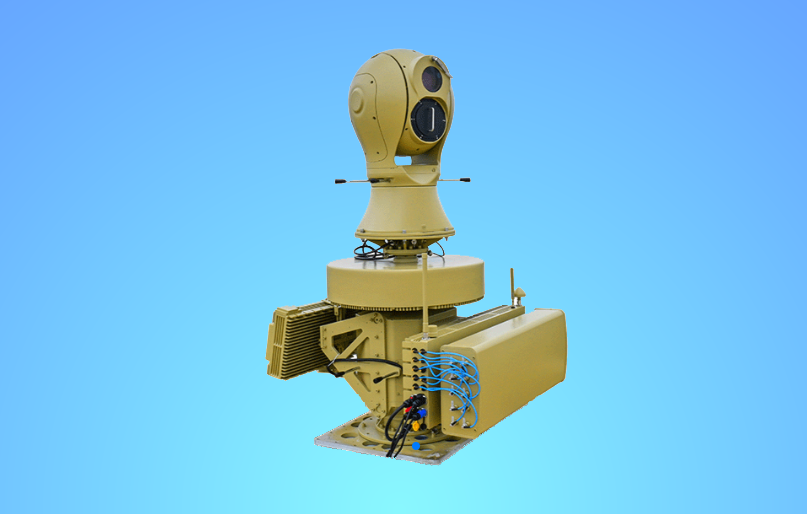
Anti-drone devices are technologies that detect, track, and neutralize unauthorized drones. Common types include drone jammers, RF detectors, and GPS disruptors, widely used in airports, government buildings, prisons, and private properties.
2. Are Anti-Drone Devices Legal?
The legality of anti-drone technology varies by country. In most regions, only authorized organizations such as law enforcement, military, or licensed commercial operators can legally deploy jammers. Always check local laws before using these devices.
3. How Do Drone Jammers Work?
Drone jammers disrupt the communication between a drone and its controller, including GPS, Wi-Fi, and RF signals. Depending on the device, this can cause a drone to return to its home point, land safely, or lose control, protecting restricted areas from intrusion.
4. Types of Anti-Drone Devices
-
RF Jammers: Block remote control signals.
-
GPS Jammers: Disrupt satellite navigation.
-
Drone Detection Systems: Identify drones before they enter restricted zones.
-
Hybrid Systems: Combine detection and neutralization for full protection.
5. What Is the Effective Range?
Range depends on device type and power. Portable jammers cover a few hundred meters, while larger systems can secure entire facilities. Always review specifications to ensure coverage meets your needs.
6. Are Anti-Drone Devices Safe?
Certified anti-drone systems target drones only when used properly. However, high-power jammers may interfere with nearby electronics or communications. Compliance with safety regulations is essential.
7. How to Choose the Right Device
Key factors include:
-
Operational range and frequency coverage
-
Portability and ease of use
-
Legal compliance
-
Integration with existing security systems
-
Budget and maintenance requirements
Conclusion
Anti-drone devices are crucial for safeguarding restricted areas and preventing drone-related threats. Understanding their functions, legal requirements, and proper usage ensures safe and effective deployment.
