
Drone Detection Systems: Frequently Asked Questions (FAQ)

Q1: What is a drone detection system?
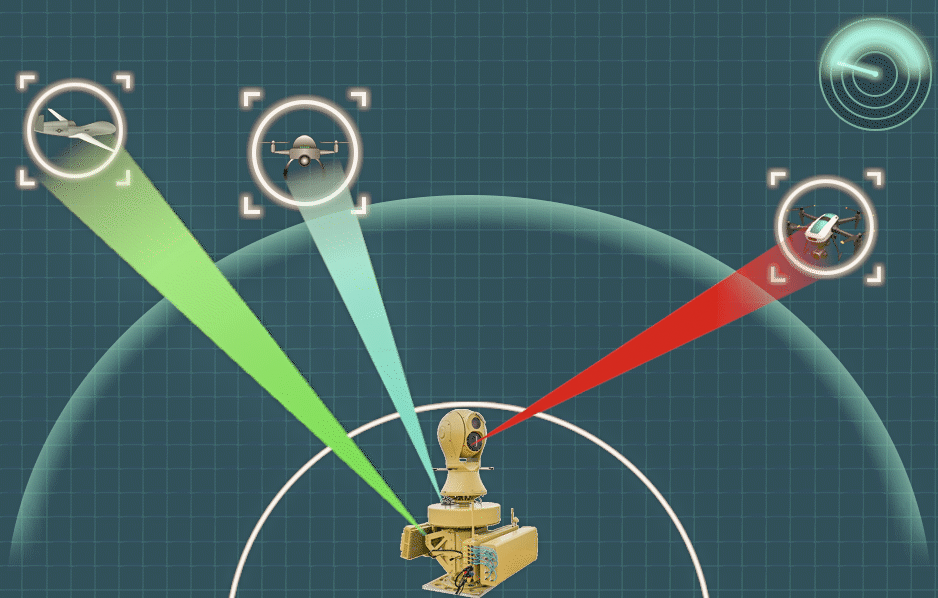
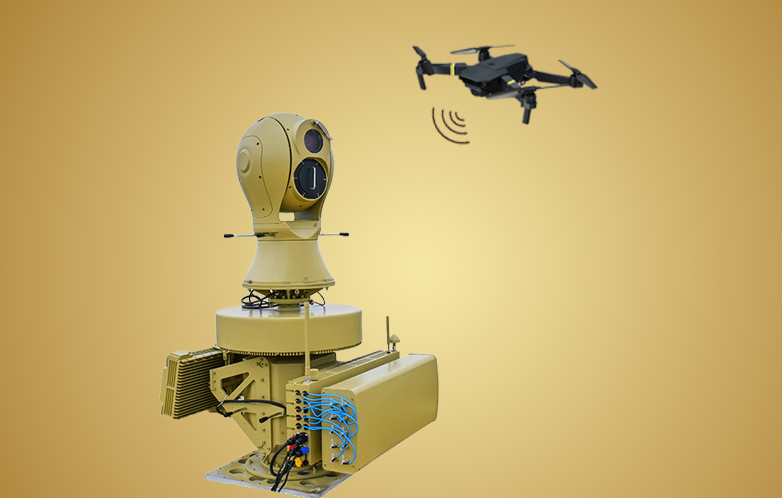
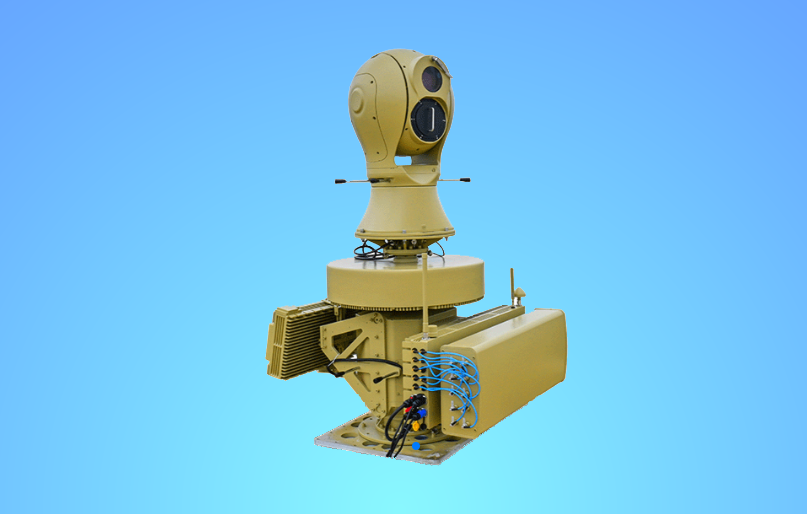
A drone detection system is designed to detect, track, and identify unauthorized drones in a given airspace. These systems use multiple sensors such as radar, RF detectors, acoustic sensors, and optical cameras to provide comprehensive monitoring.
Q2: How do drone detection systems work?
Drone detection uses different methods depending on the technology:
-
Radar: Detects moving objects and measures size and speed.
-
RF (Radio Frequency) Detection: Monitors signals between drones and controllers.
-
Acoustic Sensors: Detects drone propeller noise.
-
Optical/Infrared Cameras: Visually track drones and capture flight paths.
Q3: What is the effective range of these systems?
-
Portable RF detectors typically cover hundreds of meters.
-
Fixed radar or hybrid systems can monitor several kilometers.
Always check the system specifications to ensure sufficient coverage for your area.
Q4: Are drone detection systems safe?
Yes. These systems are passive, meaning they only monitor drones without interfering with other electronics or communications. They are safe for personnel and surrounding equipment.
Q5: Can drone detection systems identify drone types?
Advanced systems can often classify drones by model, size, and flight behavior. RF detection may even identify the manufacturer by analyzing the drone’s communication signals.
Q6: How do I choose the right drone detection system?
Consider the following factors:
-
Operational range and coverage area
-
Types of sensors included (radar, RF, optical, acoustic)
-
Integration with existing security or anti-drone systems
-
Budget and maintenance requirements
-
Compliance with local regulations
Q7: Why is drone detection important?
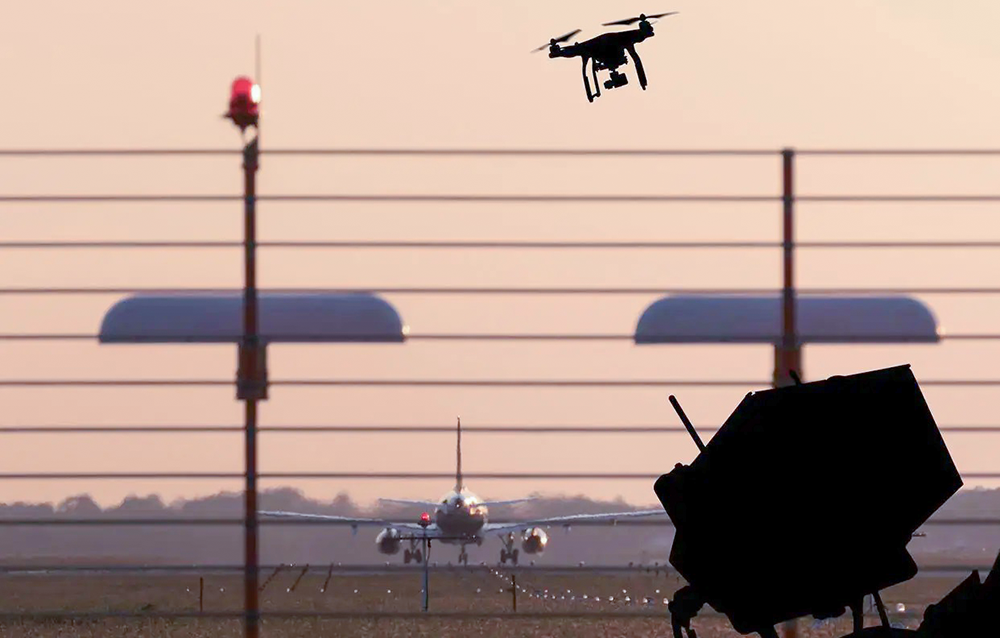
Drone detection is critical for airports, government buildings, prisons, and public events. Early identification of drones allows security teams to respond quickly and prevent unauthorized or unsafe activity.
Conclusion
Drone detection systems are essential for modern airspace security. By understanding the different types, detection methods, and operational factors, organizations can select the right system to protect sensitive areas and respond effectively to drone threats.
