

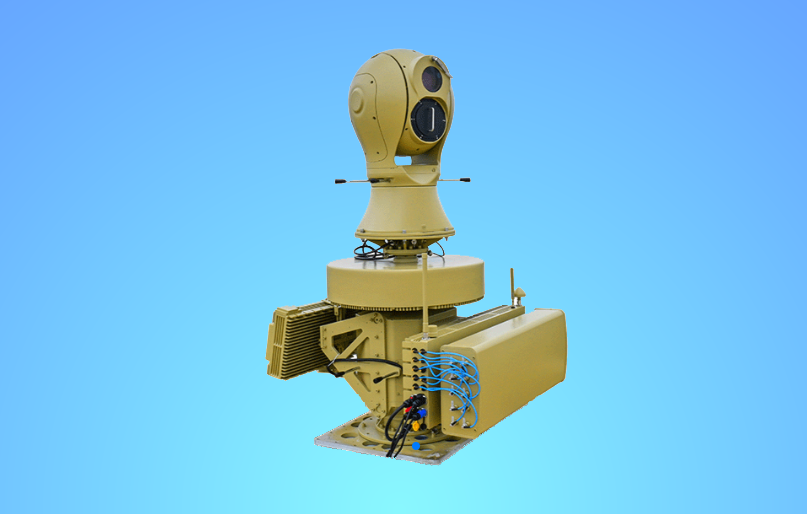
1. What Is a Drone Jamming Module?
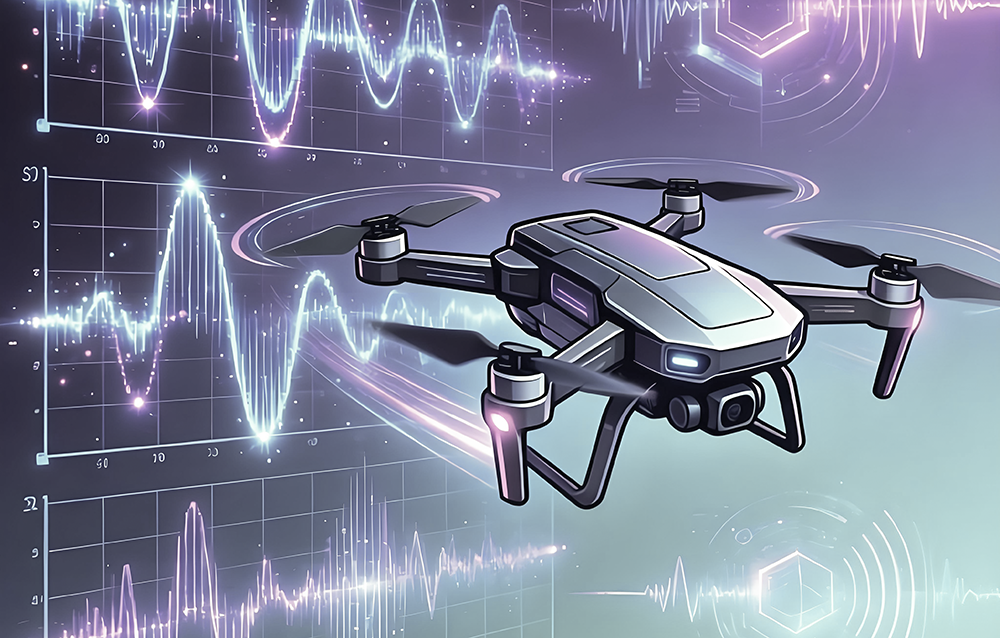
A drone jamming module is an RF power amplification unit designed to suppress or interfere with communication signals between a drone and its controller within a specific frequency band.
It is typically integrated into:
-
Portable anti-drone devices
-
Vehicle-mounted counter-UAS systems
-
Fixed-site defense installations
-
Multi-band UAV countermeasure platforms
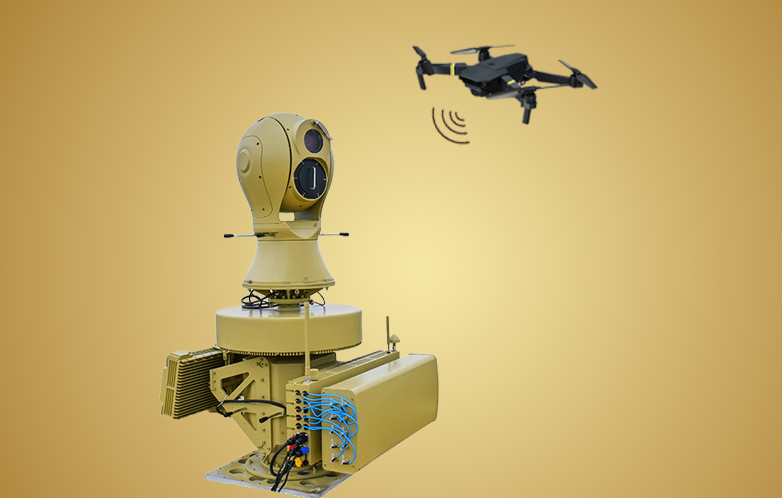
The module itself is usually one component within a complete anti-drone system.
2. What Frequency Bands Do Drone Jamming Modules Cover?
Drone communication operates across multiple frequency ranges. Common bands include:
-
400–700MHz
-
720–1020MHz
-
1.2GHz / 1.5GHz bands
-
2.4GHz
-
5.8GHz
Because drones may operate on different frequencies, professional systems often use multi-band jamming modules to achieve broader coverage.
3. How Much Power Do I Need? (30W vs 50W vs 100W)
Power selection depends on operational distance and deployment type:
| Output Power | Typical Use Case |
|---|---|
| 30W | Portable or short-range systems |
| 50W | Medium-range fixed or vehicle-mounted systems |
| 100W | Long-range or high-demand countermeasure platforms |
Higher power generally provides stronger suppression capability, but system design, antenna gain, and environment also affect performance.
4. What Is the Difference Between GaN and LDMOS Modules?
Two common semiconductor technologies are used in RF jamming modules:
GaN (Gallium Nitride)
-
Higher efficiency
-
Higher power density
-
Better thermal stability
-
Compact size
LDMOS
-
Mature technology
-
Cost-effective
-
Suitable for stable, lower-frequency applications
For high-frequency and compact designs, GaN modules are often preferred.
5. What Is GaN-on-SiC Technology?
GaN-on-SiC (Gallium Nitride on Silicon Carbide) technology improves thermal conductivity and efficiency.
Advantages include:
-
Better heat dissipation
-
Higher output stability
-
Improved reliability under continuous operation
This is especially important for 50W and 100W high-power modules.
6. What Does “Built-In Sweep or Noise Source” Mean?
Many drone jammer modules integrate:
-
High-speed sweep signal sources
-
Noise modulation sources
This means the module can operate independently without requiring an external signal generator, simplifying system integration.
Advanced versions may support customization via:
-
VCO (Voltage-Controlled Oscillator)
-
DDS (Direct Digital Synthesis)
-
SDR (Software-Defined Radio)
7. What Is Sweep Speed?
Sweep speed refers to how quickly the interference signal scans across a frequency band.
Typical values:
-
Standard: 270KHz
-
Customizable: 100–500KHz
Adjustable sweep speed provides flexibility for different deployment strategies.
8. What Electrical Requirements Should I Consider?
Most industrial drone jamming modules operate at:
-
24V–32V DC
-
Current depends on output power
-
50Ω impedance matching
Before integration, verify:
-
Power supply capacity
-
Cooling structure
-
Antenna compatibility
-
Connector type (N-type or SMA)
9. How Important Is Thermal Design?
Thermal management is critical. High-power RF modules generate significant heat.
Professional modules often feature:
-
Copper carrier base
-
Optimized heat dissipation structure
-
Over-temperature protection
-
LED status indicators
Proper cooling extends module lifespan and ensures stable output.
10. Can One Module Jam All Drones?
No single module can cover every drone type.
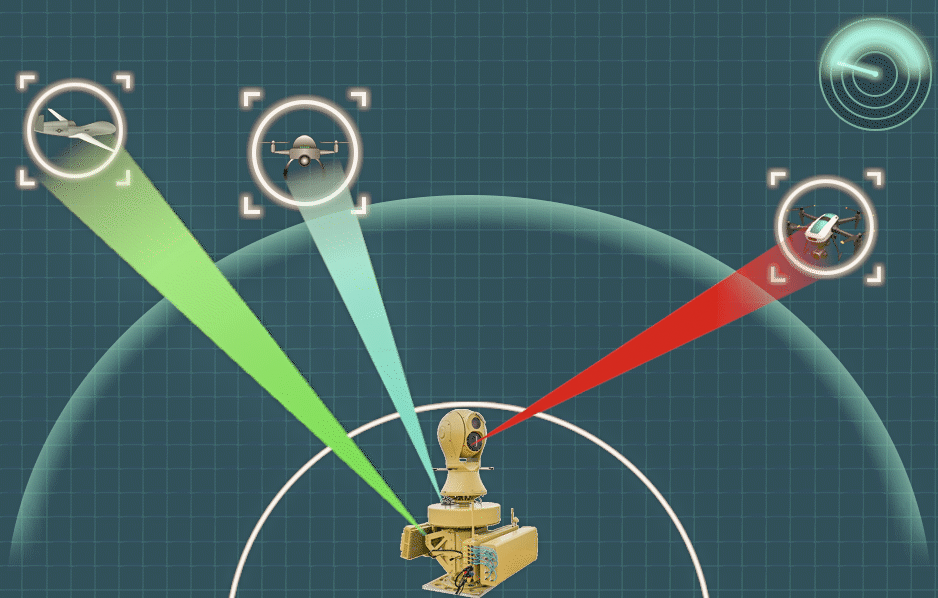
Modern drones use multiple frequency bands and advanced communication methods. Effective counter-UAS systems usually combine:
-
Multiple frequency modules
-
Detection systems
-
Directional antennas
-
Integrated control units
A layered approach ensures better coverage and adaptability.
Conclusion
Drone jamming modules are essential components of modern UAV countermeasure systems. Choosing the right frequency band, power level, and semiconductor technology is critical for optimal performance.
Whether you are designing a portable system or integrating a multi-band platform, understanding these core technical factors will help you select the most suitable solution.
For customized integration advice or technical support, consult with a professional RF engineering team before deployment.
