
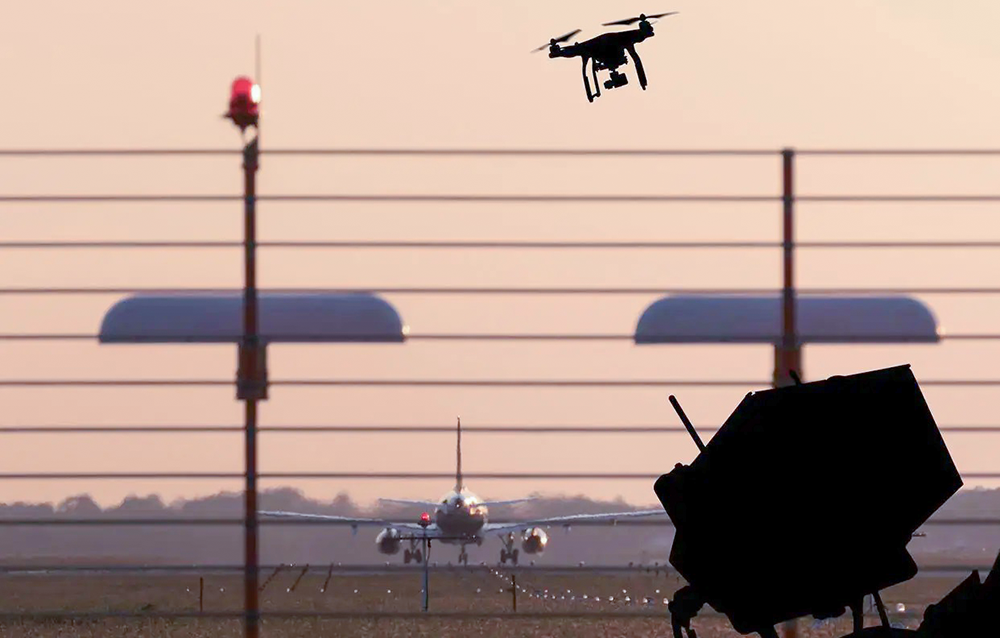
As drones become more accessible and widely used, concerns about unauthorized flights near sensitive locations have increased. Airports, prisons, military bases, and public events all face potential risks from rogue drones. To address these threats, many organizations deploy anti-drone systems designed to detect and disrupt unmanned aerial vehicles.

Two of the most common types are handheld anti-drone systems and fixed anti-drone systems. Each has its own strengths, depending on the security environment and operational requirements. Understanding the differences between these two solutions can help users choose the most suitable counter-drone strategy.
What Is a Handheld Anti-Drone System?
A handheld anti-drone system is a portable device that resembles a rifle or compact electronic unit. It allows security personnel to manually aim at a drone and disrupt its control, navigation, or video transmission signals.
These devices typically use radio frequency interference to block communication between the drone and its operator.
Advantages of Handheld Systems
1. High Mobility
Handheld units are lightweight and portable, making them suitable for patrol teams, mobile security units, or rapid-response operations.
2. Easy Deployment
They require minimal setup and can be used immediately in situations where a drone suddenly appears.
3. Cost-Effective
Compared with large-scale fixed installations, handheld systems usually require lower investment and maintenance.
Limitations
Despite their flexibility, handheld systems rely heavily on the operator’s ability to identify and aim at the target drone. Their effective range is also generally shorter than that of fixed systems.
What Is a Fixed Anti-Drone System?
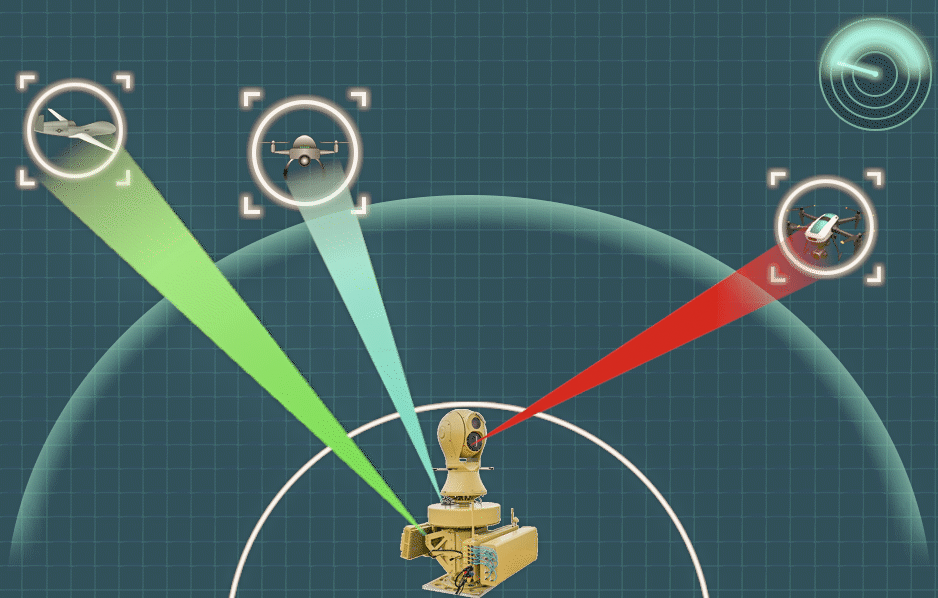
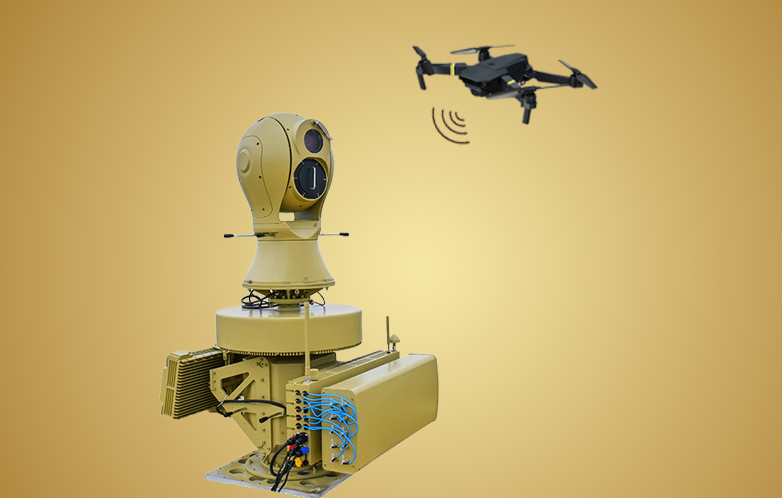
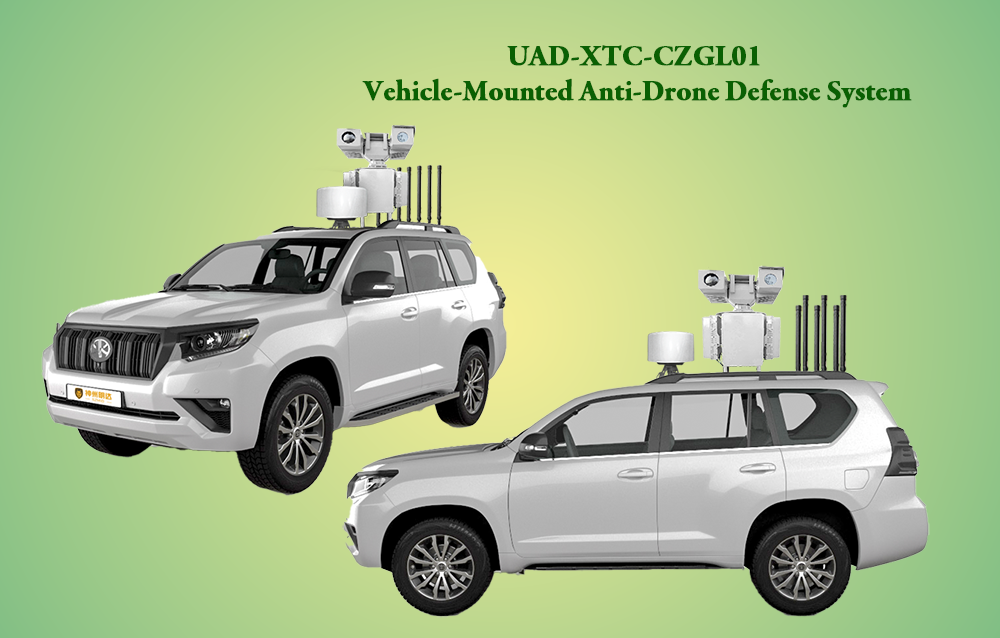
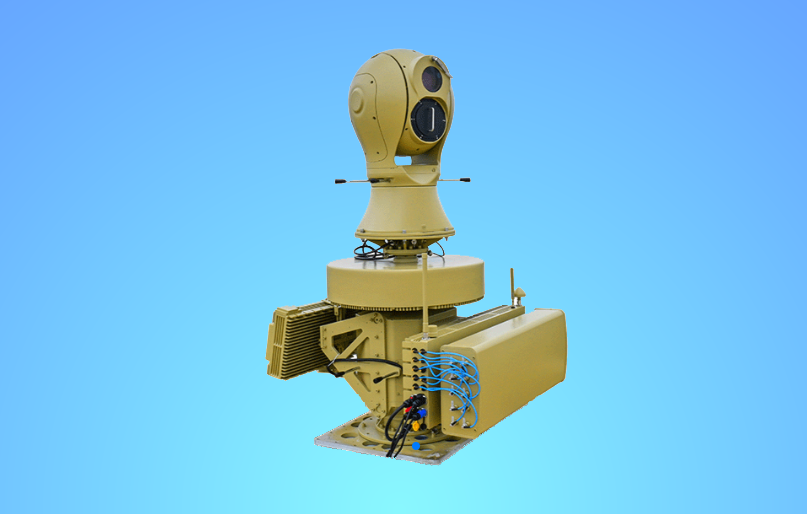
A fixed anti-drone system is a permanent or semi-permanent installation designed to monitor and protect a specific area. These systems typically combine several technologies, including radar detection, RF monitoring, optical tracking, and signal jamming.
They are often integrated into security infrastructure around sensitive facilities.
Advantages of Fixed Systems
1. Continuous Protection
Fixed systems operate 24/7 and can automatically detect and respond to drone threats.
2. Larger Coverage Area
They usually provide longer detection ranges and wider protection zones compared with handheld devices.
3. Integrated Security Network
Fixed anti-drone systems can be connected to existing surveillance and security platforms for centralized monitoring.
Limitations
The main disadvantages are higher cost and limited mobility. Once installed, these systems are designed to protect a specific location rather than moving with personnel.
When to Choose Handheld Systems
Handheld anti-drone systems are ideal for situations that require flexibility and mobility, such as:
-
Temporary public events
-
Mobile patrol teams
-
VIP protection missions
-
Rapid response to unexpected drone incursions
Because they can be easily transported, handheld devices are also useful as a backup to larger counter-drone infrastructure.
When to Choose Fixed Systems
Fixed anti-drone systems are more suitable for high-security zones that require constant monitoring, including:
-
Airports and airfields
-
Military facilities
-
Prisons
-
Power plants and critical infrastructure
In these environments, automated detection and wide-area coverage are essential.
Combining Both Systems for Maximum Protection
In many cases, the most effective solution is a layered defense strategy that combines fixed and handheld anti-drone systems. Fixed installations provide continuous surveillance and early detection, while handheld units allow security teams to respond quickly and precisely.
This combination improves overall efficiency and ensures multiple layers of protection against unauthorized drones.
Conclusion
Both handheld and fixed anti-drone systems play important roles in modern counter-UAS security strategies. Handheld systems offer flexibility, portability, and fast deployment, while fixed systems provide long-range detection and continuous protection.
Choosing the right solution depends on factors such as the size of the protected area, security level, and operational requirements. In many scenarios, integrating both types of systems delivers the most reliable defense against drone threats.
