



The global anti-drone market has entered a phase of unprecedented expansion. In 2026, the market is valued at USD 3.74 billion, growing at a remarkable compound annual growth rate (CAGR) of 29% , according to the latest industry analysis. By 2035, the market is projected to exceed USD 18.7 billion. This surge is not a coincidence — it is the direct result of multiple converging forces that are reshaping security priorities across both military and civilian sectors.
Why the Anti-Drone Market Is Growing Faster Than Ever
Counter-unmanned aircraft systems (C-UAS) have moved from niche military solutions to mainstream security infrastructure. Governments, critical infrastructure operators, and event organizers are no longer asking whether they need drone defense — they are asking which system works best.
Below are the key drivers fueling this explosive growth.
1. Dramatic Rise in Rogue Drone Incidents
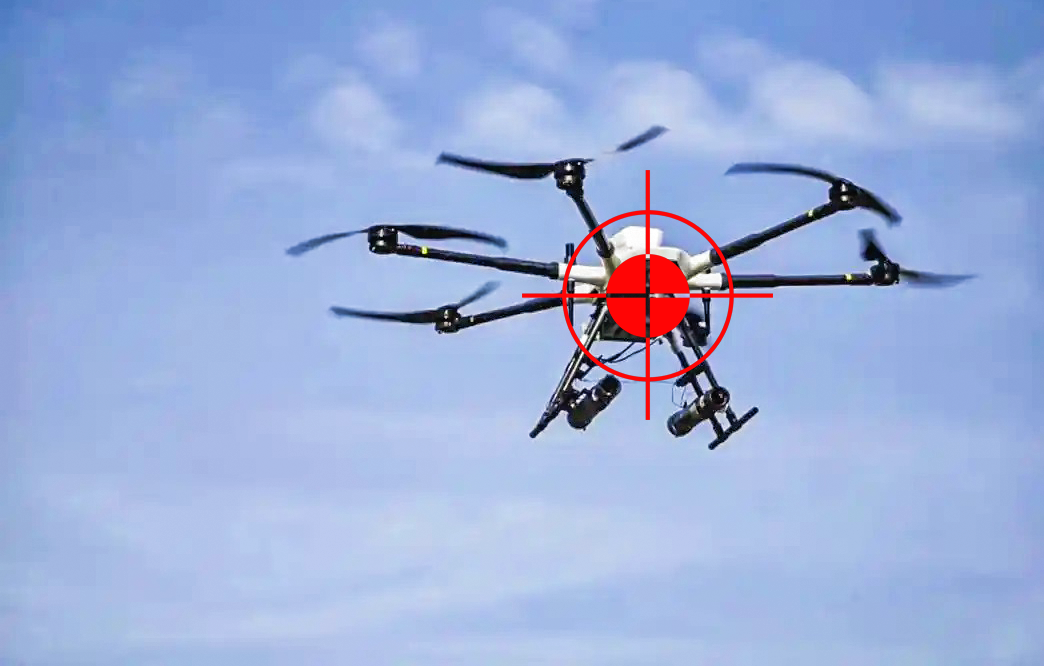
Airports, prisons, power plants, and public events have reported a surge in unauthorized drone activities. In the first half of 2026 alone, major international airports recorded over 1,200 drone incursions — a 40% increase compared to 2024. Prisons in the UK, France, and the US documented more than 1,500 drone-assisted smuggling attempts last year. Each incident reinforces the urgent need for reliable, scalable C-UAS solutions.
2. Regulatory Mandates and Government Funding
Governments worldwide are passing stricter counter-drone legislation. The United States’ NDAA 2026 and the Safer Skies Act have unlocked over USD 800 million in dedicated C-UAS procurement budgets. European nations, led by Germany, the UK, and France, are harmonizing counter-drone laws across the EU. Meanwhile, NATO has accelerated its C-UAS standardization efforts, compelling member states to adopt certified systems — a move that directly benefits verified suppliers.
3. Proliferation of Low-Cost Commercial Drones
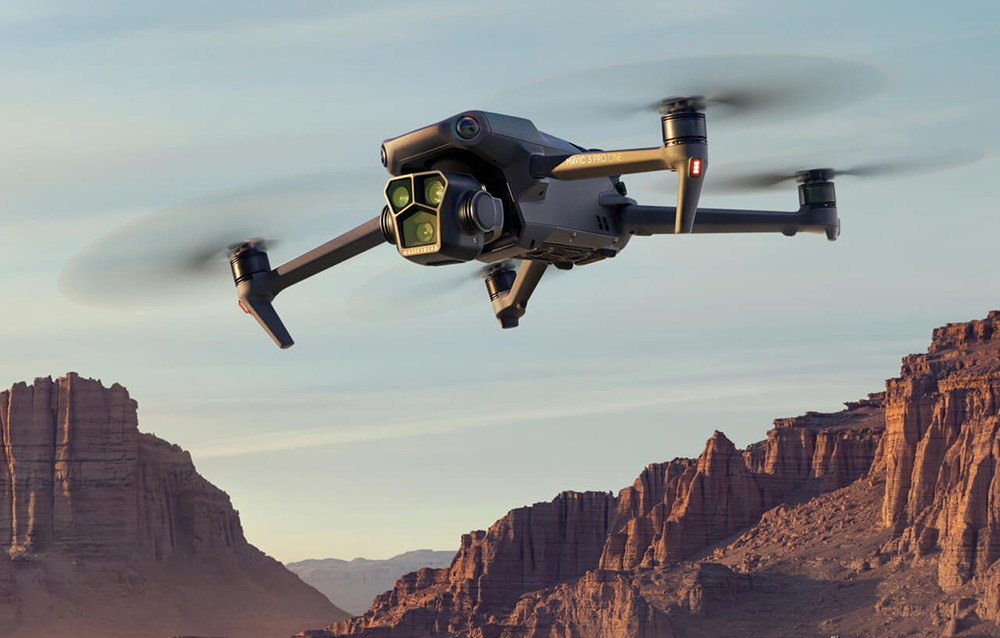
The accessibility of consumer and prosumer drones (e.g., DJI, Autel, Skydio) has lowered the barrier for malicious actors. Drones capable of carrying 2–5 kg payloads are available for under USD 2,000. This has forced security buyers to move from manual patrols to automated detection and mitigation systems that operate 24/7.
4. Technological Maturity of C-UAS Systems
Early counter-drone systems suffered from high false-alarm rates, short detection ranges, and destructive mitigation methods. Today’s systems integrate:
-
AI-driven multi-sensor fusion (radar, RF, EO/IR, acoustic)
-
Passive RF detection for stealth drones
-
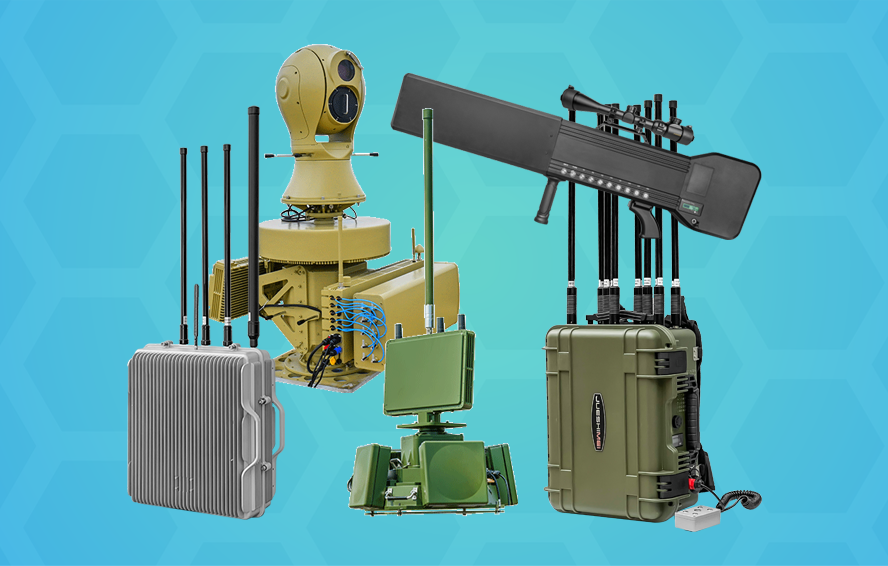
Non-kinetic mitigation (RF cyber takeover, GPS spoofing, high-power microwave)
These advancements have reduced collateral damage risks, making C-UAS viable for civilian environments like airports and stadiums. Detection accuracy now routinely exceeds 99%, as validated by FAA and NATO field trials.
5. Growing Demand from Non-Military Sectors
While military applications remain the largest segment (≈45% market share in 2026), civilian demand is growing fastest at 32% CAGR. Key civilian adopters include:
-
Airport operators (security perimeters and runway protection)
-
Energy companies (oil refineries, nuclear plants, power grids)
-
Correctional facilities (prison airspace monitoring)
-
Event organizers (concerts, marathons, political summits)
-
Data centers and government buildings
Market Segmentation Snapshot (2026)
| Segment | Market Share | Growth Rate (CAGR) |
|---|---|---|
| Military & Defense | 45% | 26% |
| Homeland Security | 28% | 31% |
| Commercial & Critical Infrastructure | 27% | 32% |
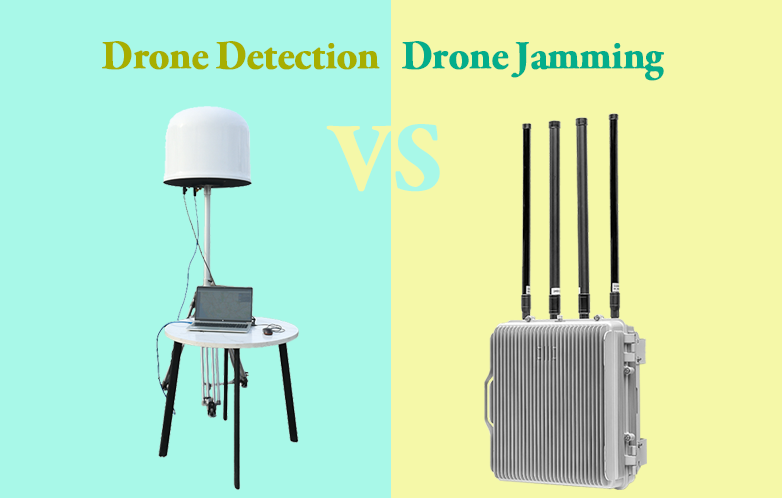
By technology, RF detection + jamming remains the most deployed, while AI-enabled command-and-control platforms and directed energy weapons (laser, HPM) are the fastest-growing categories.
Regional Outlook
-
North America leads with 41% market share, driven by the US Department of Defense and TSA airport mandates.
-
Europe follows at 31%, with strong adoption in the UK, Germany, and France.
-
Asia-Pacific is the fastest-growing region (34% CAGR), fueled by China’s drone export policies and India’s border security modernization.
What This Means for Security Buyers
For procurement managers, security directors, and system integrators, the 29% CAGR signals both opportunity and urgency. The window for early adoption is narrowing as standards mature. Buyers should focus on:
-
Open-architecture C-UAS platforms that integrate with existing security systems
-
Vendors with proven certifications (FAA, NATO, national defense standards)
-
Scalable solutions — from handheld jammers to fixed-site multi-sensor networks
Conclusion
The anti-drone market’s valuation of USD 3.74 billion in 2026 is not a peak — it is a foundation. With double-digit growth forecast through 2035, the industry is poised to become a cornerstone of global airspace security. For stakeholders across defense, critical infrastructure, and public safety, the time to evaluate and deploy counter-drone systems is now.
