
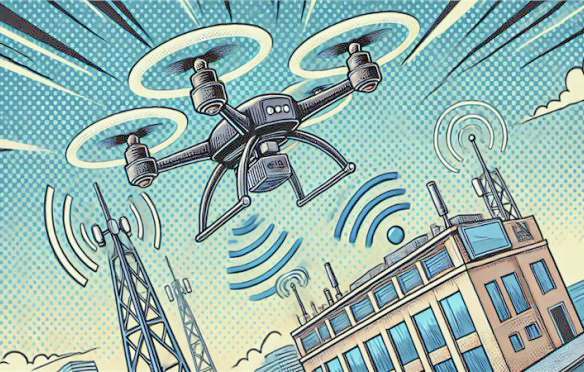


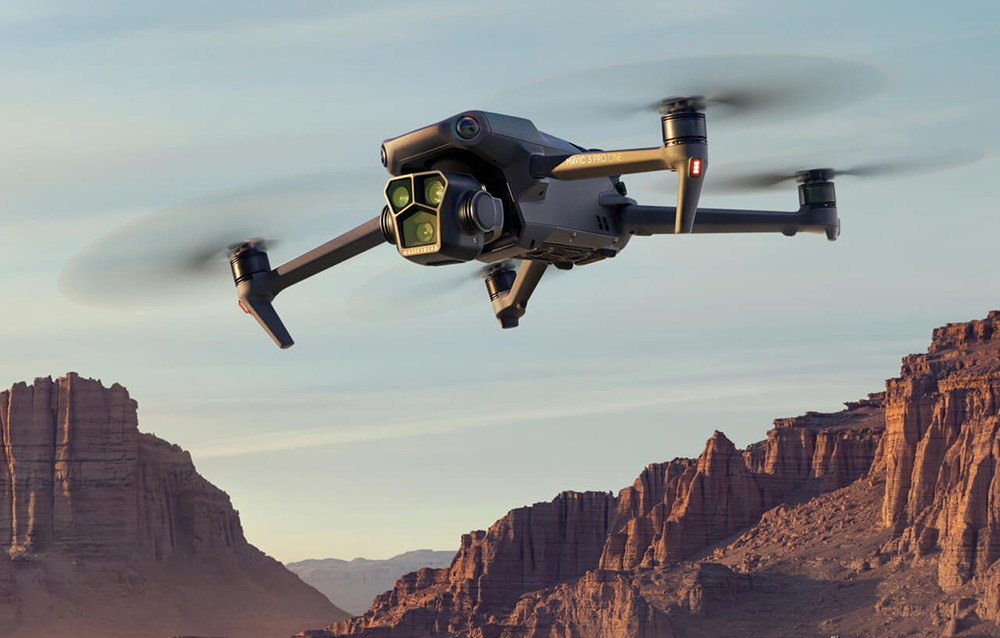
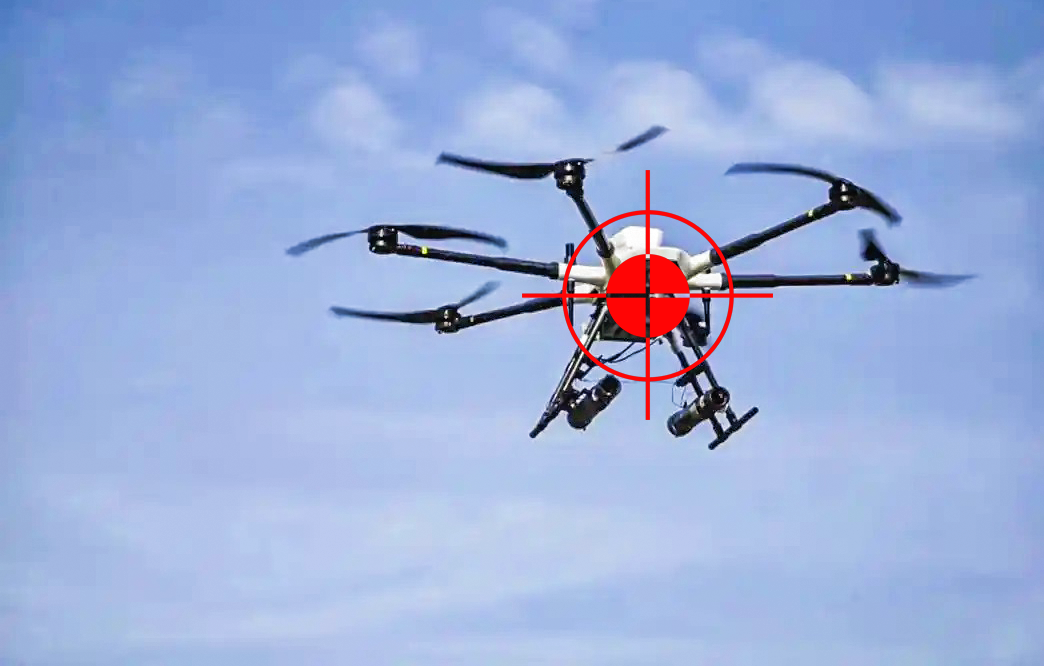
With the rapid growth of commercial and recreational drones, security risks related to unauthorized drone flights are increasing. Critical infrastructure, airports, prisons, and public events are especially vulnerable to aerial intrusion. To address these threats, drone jamming systems have become one of the most widely used counter-drone technologies.

Among the available solutions, fixed drone jamming systems and portable drone jammers are two common types. Each has its own advantages depending on the operational environment and mission requirements. Understanding the differences between them can help organizations select the most suitable anti-drone solution.
What Is a Drone Jamming System?
A drone jamming system works by transmitting radio frequency (RF) interference that disrupts communication between a drone and its controller. By blocking control signals, navigation signals, or video transmission links, the drone may hover, return to home, or land safely depending on its configuration.
These systems are commonly used to protect sensitive areas such as:
-
Airports and airspace zones
-
Government facilities
-
Military bases
-
Prisons and border areas
-
Large public events
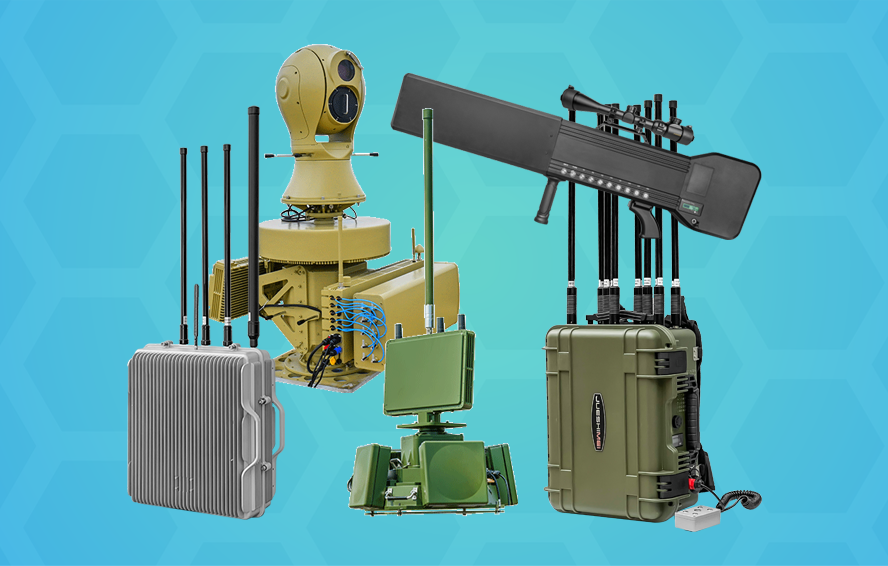
Drone jamming technology can be deployed in either fixed installations or portable devices.
Fixed Drone Jamming Systems
Fixed drone jamming systems are permanently installed at specific locations to provide continuous protection. They are often integrated into a larger counter-UAS defense network that includes radar, RF detection, and command systems.
Key Advantages
1. Wide Coverage Area
Fixed systems typically use high-power transmitters and directional antennas, allowing them to cover larger areas such as airports or industrial facilities.
2. Continuous Operation
These systems can operate 24/7 without manual intervention, making them ideal for permanent security protection.
3. System Integration
Fixed jammers can easily integrate with detection systems, enabling automated responses once a drone threat is detected.
4. Higher Power Output
Many fixed installations support higher RF output power compared with portable devices, increasing jamming range and effectiveness.
Typical Applications
-
Airports and aviation safety zones
-
Military bases
-
Government compounds
-
Power plants and energy facilities
-
Critical infrastructure protection
Portable Drone Jamming Systems
Portable drone jammers are mobile devices designed for flexible and rapid deployment. They are often handheld or backpack-mounted systems used by security personnel.
Key Advantages
1. Mobility and Flexibility
Portable systems can be easily moved and deployed in different locations depending on the threat.
2. Quick Response
Security teams can quickly react to unexpected drone activity without relying on fixed infrastructure.
3. Lower Installation Requirements
Unlike fixed systems, portable jammers do not require permanent installation or complex infrastructure.
4. Ideal for Temporary Security
They are particularly suitable for short-term events or temporary security missions.
Typical Applications
-
Stadiums and large public events
-
VIP protection operations
-
Law enforcement patrols
-
Border security operations
-
Temporary security zones
Fixed vs Portable Drone Jamming Systems: Key Differences
| Feature | Fixed Drone Jamming System | Portable Drone Jammer |
|---|---|---|
| Deployment | Permanent installation | Mobile and flexible |
| Coverage Area | Large protection range | Short to medium range |
| Power Output | Higher power | Lower power |
| Operation | Continuous automated operation | Operator controlled |
| Best Use | Critical infrastructure protection | Temporary or mobile security |
Both systems play important roles in modern counter-drone defense strategies.
How to Choose the Right Drone Jamming System
Selecting between a fixed or portable drone jammer depends on several factors:
Security Environment
Permanent facilities such as airports or power plants usually require fixed systems, while temporary security operations benefit from portable devices.
Coverage Requirements
Large areas often need high-power fixed jamming installations.
Mobility Needs
If threats may occur in multiple locations, portable systems provide greater flexibility.
Integration Requirements
Organizations using radar or RF detection networks may prefer fixed jamming systems that integrate with existing security platforms.
Conclusion
Both fixed drone jamming systems and portable drone jammers are essential tools for countering unauthorized drones. Fixed installations provide reliable, long-term protection for critical infrastructure, while portable systems offer rapid response and operational flexibility.
In many security strategies, combining both solutions can provide the most effective defense against evolving drone threats. As drone technology continues to advance, adaptable and well-planned counter-drone systems will remain a key component of modern security operations.
