
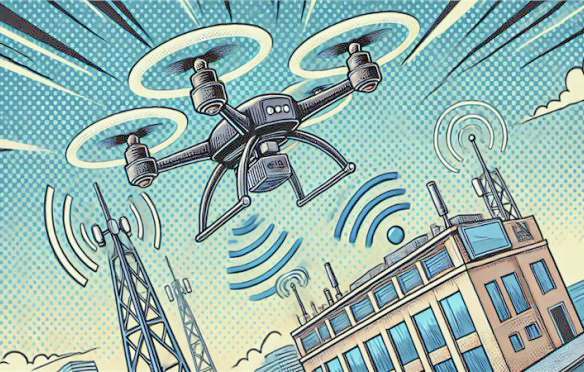

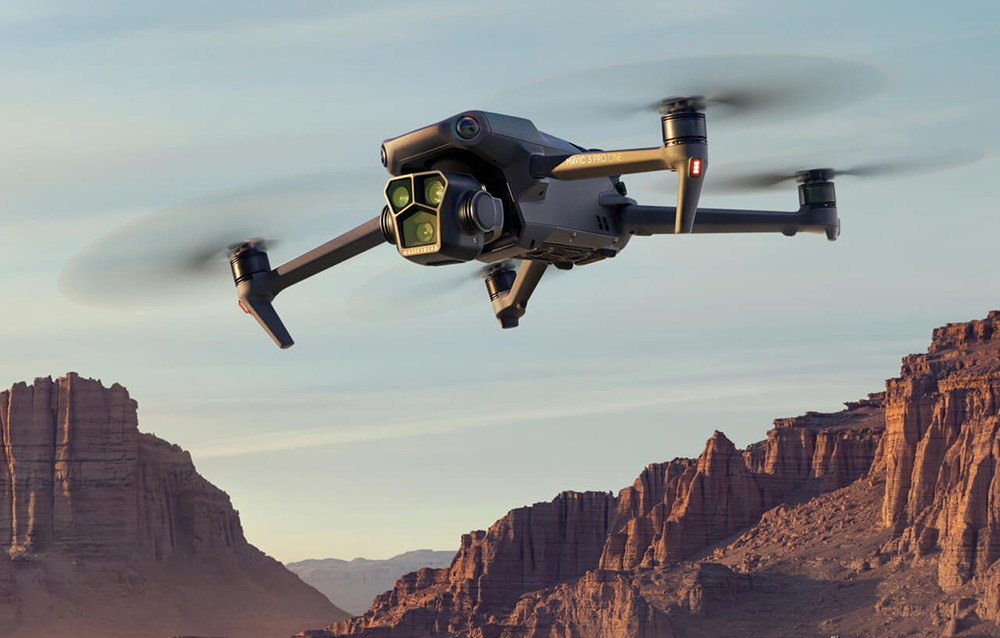
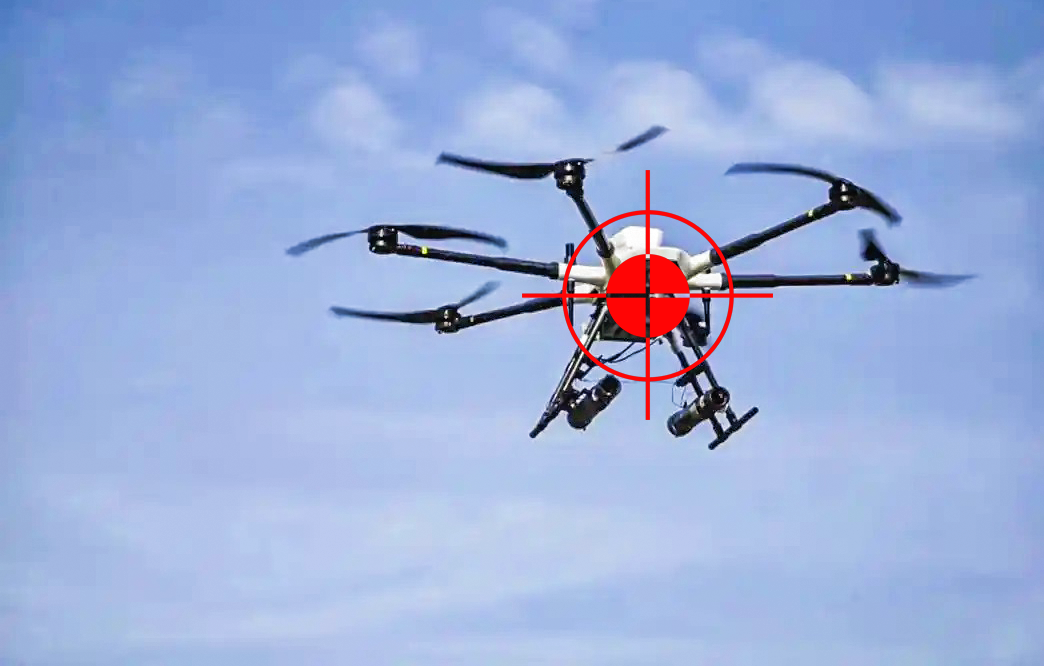
The sight of a drone buzzing overhead has shifted from novelty to nuisance to genuine security threat. From contraband deliveries over prison walls to unsanctioned surveillance of critical infrastructure, unauthorized UAVs present a complex challenge. Traditional air defense systems are ill-equipped to handle small, slow, and low-flying commercial quadcopters. This has given rise to a specialized field known as Counter-Unmanned Aircraft Systems (C-UAS). But how exactly does anti-drone technology stop a rogue aircraft without causing collateral damage? The answer lies in a layered approach that targets the drone’s specific vulnerabilities: radio links, navigation sensors, and physical airframes.

Step 1: Detection and Identification (Finding the Needle)
Before you can stop a drone, you must first reliably detect it. Radar optimized for birds and planes often filters out small, hovering objects as “clutter.” Anti-drone systems therefore employ a fusion of sensor technologies:
-
RF Spectrum Analyzers: These passive sensors scan for the specific communication signatures of commercial drones (e.g., DJI OcuSync or Autel SkyLink). They can often identify not just the drone’s presence, but its make, model, and even the location of the pilot’s remote controller.
-
Radar: Specialized micro-Doppler radar can distinguish the spinning propellers of a multirotor drone from a bird by analyzing the unique frequency shift of rotating blades.
-
Acoustic and Optical Sensors: Cameras with AI-driven object classification confirm the visual target, while acoustic arrays “hear” the drone before it crests the treeline.
Step 2: Electronic Warfare – The Non-Kinetic “Soft Kill”
Once the threat is verified, the most common and legally permissible method of stopping the UAV is electronic attack. This approach targets the invisible strings that connect the drone to its operator and the sky.
Radio Frequency (RF) Jamming
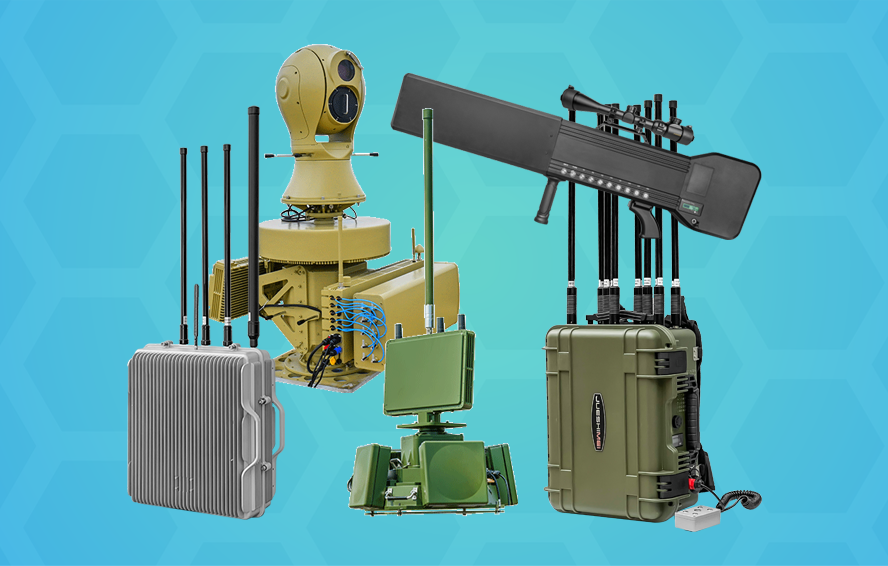
This is the workhorse of C-UAS technology. Drones rely on continuous radio links in the 2.4 GHz and 5.8 GHz bands for control and video transmission. An anti-drone jammer transmits a high-power, broadband signal on these exact frequencies. The effect is not a dramatic explosion, but a quiet confusion.
-
The Outcome: The drone’s receiver is overwhelmed by noise. It can no longer “hear” the pilot’s commands. Depending on the drone’s firmware settings, this loss of link triggers a pre-programmed fail-safe: it will either hover in place until the battery dies, Return-to-Home (RTH) , or execute an immediate vertical landing. This method effectively stops the unauthorized incursion without physical contact.
GNSS Spoofing and Jamming
More sophisticated systems target the drone’s GPS (and GLONASS/BeiDou) receiver. While jamming simply drowns out the satellite signal with noise (causing the drone to drift or land), spoofing is more surgical. A spoofing system transmits a counterfeit satellite signal that is slightly stronger than the real one. Over a few seconds, it can “walk” the drone off course or trick it into believing it is inside a restricted geo-fenced zone, forcing an automatic landing.
Step 3: Physical Interdiction – The “Hard Kill”
In high-security military or airport environments where electronic interference with surrounding signals is unacceptable (or when a drone ignores jamming due to pre-programmed waypoint flight), physical intervention is required. This is riskier but definitive.
-
Net Capture: Specialized interceptor drones are deployed to hunt the rogue UAV. These “net guns” fire a tangled web that ensnares the target’s propellers. Once captured, the interceptor drone can either lower the payload gently to the ground on a tether or carry it to a designated safe zone. This method is prized for minimal collateral damage in urban areas.
-
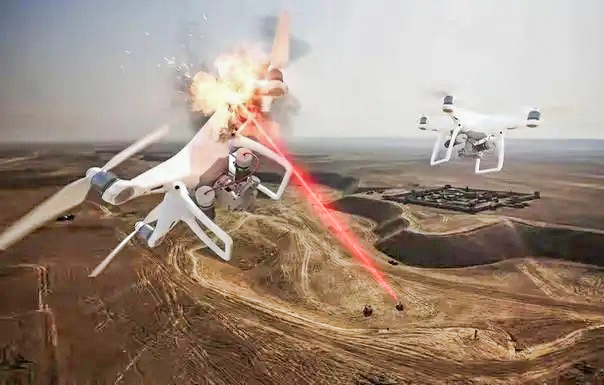
Directed Energy (High-Power Microwave/Laser): At the extreme end of the spectrum, high-energy lasers can burn through the drone’s airframe or electronics within seconds. However, these systems are large, expensive, and require a clear line of sight with safety protocols to protect aircraft overhead.
The Crucial Factor: Managing the Aftermath
A critical aspect of stopping an unauthorized UAV is understanding that “stopped” does not equal “gone.” If RF jamming forces a drone to RTH, the operator simply gets their device back to fly another day. The forensic intelligence provided by the detection layer (specifically Remote ID capture or signal triangulation) is just as important as the jammer itself. This data allows security personnel to locate the pilot on the ground—often the ultimate objective of the entire C-UAS engagement.
Conclusion
Stopping an unauthorized UAV is no longer science fiction; it is a calculated sequence of detect, identify, and mitigate. While the allure of futuristic laser weapons captures the imagination, the vast majority of real-world anti-drone stops are achieved through the silent, invisible power of RF spectrum dominance. By understanding how a drone talks and navigates, we can effectively tell it to be quiet and go home.
