

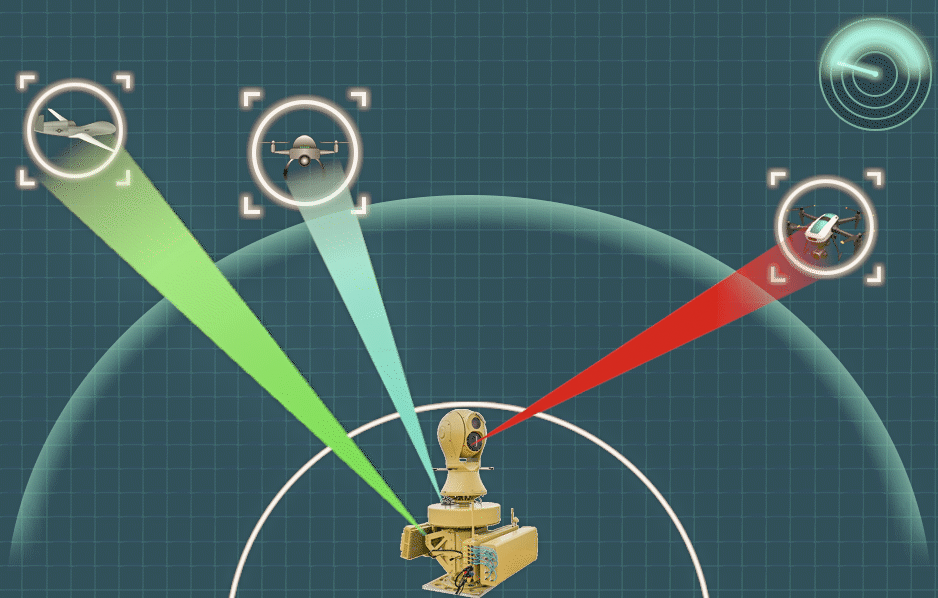
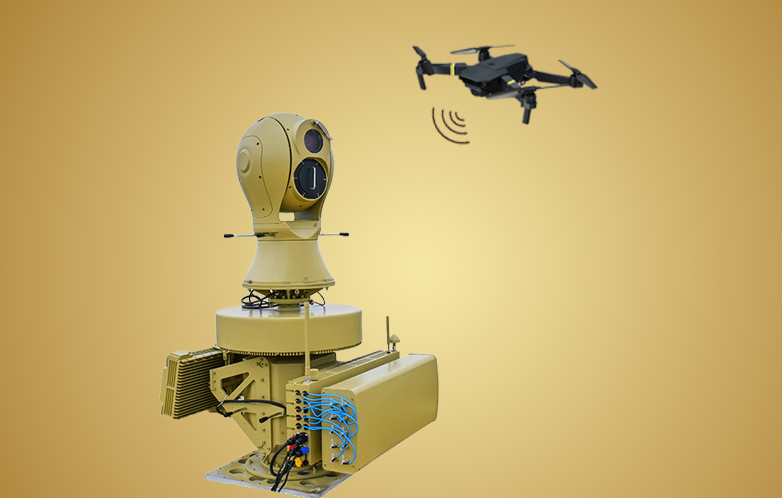

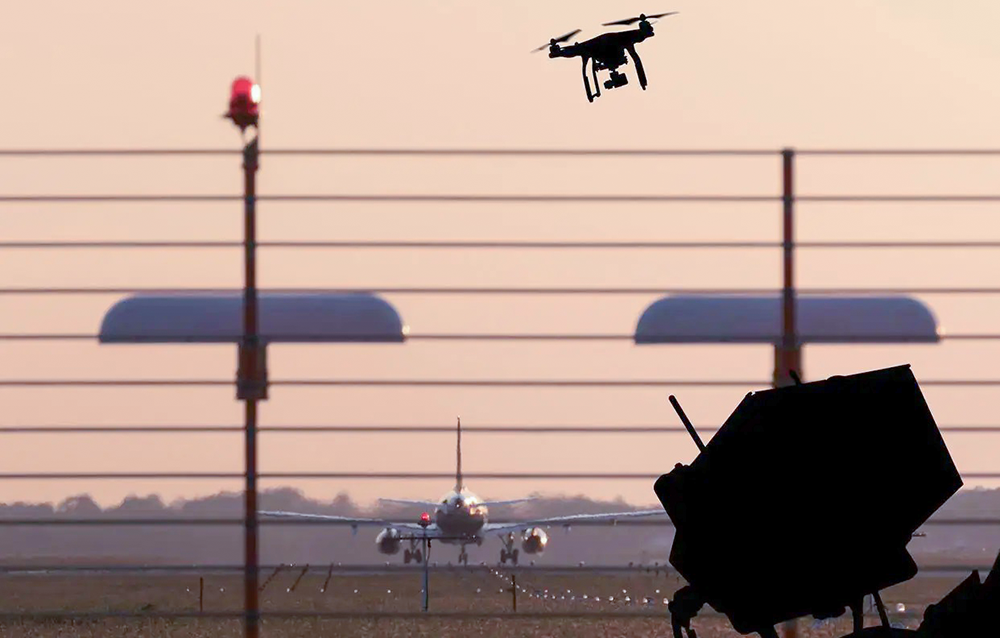
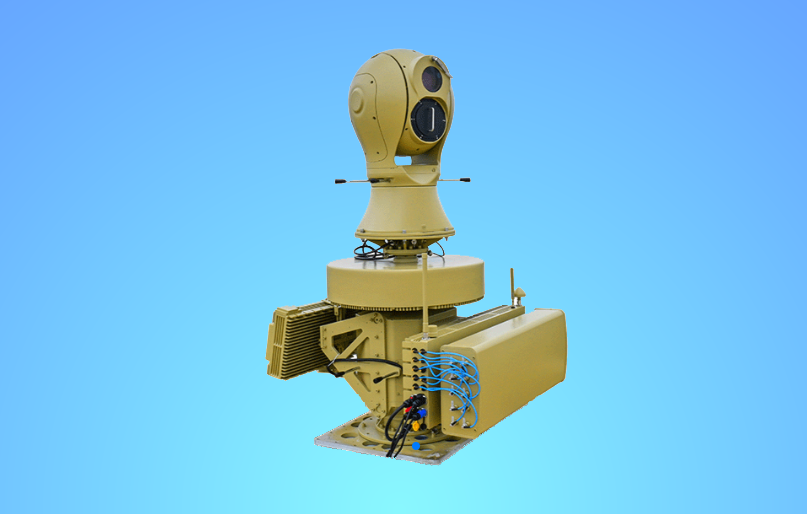
As drone threats continue to evolve, ensuring the reliability of your drone jammer module is critical for any counter-UAS system. Whether used in airport security, military defense, or critical infrastructure protection, a jammer must perform consistently under real-world conditions. Proper testing is essential to validate its effectiveness and optimize its deployment.

This guide outlines practical methods and key metrics to help you accurately evaluate the performance of your drone jammer module.
Why Testing Drone Jammer Modules Matters
A drone jammer module is only as effective as its ability to disrupt unauthorized UAV operations without causing unintended interference. Poorly tested systems may fail at critical moments or affect nearby communication systems.
Testing helps you:
- Verify real-world performance
- Identify coverage gaps
- Ensure regulatory compliance
- Optimize system configuration
Without structured testing, even high-power modules may not deliver expected results.
Key Testing Methods
To evaluate a drone jammer module thoroughly, a combination of laboratory and field testing methods should be used.
1. Laboratory (Controlled Environment) Testing
Lab testing provides a controlled setting to measure baseline performance. It allows engineers to isolate variables and assess specific parameters.
Common lab tests include:
- Frequency Range Verification: Ensure the jammer covers required bands (e.g., 2.4 GHz, 5.8 GHz, GNSS bands)
- Output Power Measurement: Confirm the RF output matches design specifications
- Signal Stability Testing: Evaluate consistency over time and temperature variations
These tests establish a performance benchmark before field deployment.
2. Field Testing (Real-World Scenarios)
Field testing is crucial for understanding how the jammer performs in actual environments.
Typical scenarios include:
- Open Area Testing: Measures maximum jamming range without obstacles
- Urban Environment Testing: Assesses performance with buildings and signal reflections
- Complex RF Environments: Evaluates interference handling in areas with multiple signals
Using different drone models during testing ensures compatibility with various communication protocols.
3. Directional vs. Omnidirectional Testing
If your system supports both antenna types, test them separately:
- Omnidirectional Antennas: Measure 360° coverage and uniformity
- Directional Antennas: Evaluate range, accuracy, and beamwidth
This helps determine the best deployment strategy for specific use cases.
Key Performance Metrics
Measuring effectiveness requires clear, quantifiable metrics. The following are the most important indicators:
1. Jamming Range
This defines the maximum distance at which the jammer can successfully disrupt a drone. It varies based on power, frequency, and environmental conditions.
2. Response Time
Response time measures how quickly the jammer can neutralize a drone after detection. Faster response times are critical in high-risk environments.
3. Success Rate
This metric indicates the percentage of successful disruptions across multiple test runs. A high success rate reflects system reliability.
4. Frequency Coverage Efficiency
Not all drones operate on the same frequencies. Effective jammer modules must cover multiple bands and maintain performance across them.
5. Signal Suppression Strength
Measured in terms of signal attenuation, this indicates how effectively the jammer reduces the drone’s control or navigation signal.
6. Power Efficiency
Evaluates how efficiently the module uses power relative to its output performance, which is especially important for portable systems.
Testing Best Practices
To ensure accurate and repeatable results, follow these best practices:
- Use Multiple Drone Types: Test against commercial and custom UAVs
- Repeat Tests: Conduct multiple trials to ensure consistency
- Document Results: Record all parameters, conditions, and outcomes
- Control Variables: Keep environmental factors consistent when possible
- Ensure Safety: Always follow safety protocols during live drone testing
Proper documentation also helps with compliance and future system improvements.
Common Challenges in Drone Jammer Testing
Testing drone jammer modules is not without challenges. Some of the most common issues include:
- Environmental Variability: Weather and terrain can affect results
- Signal Interference: Other RF sources may skew measurements
- Regulatory Restrictions: Testing may require special permissions in certain regions
- Drone Diversity: Different UAV models respond differently to jamming
Understanding these challenges allows for better test planning and more reliable outcomes.
Conclusion
Testing the effectiveness of your drone jammer module is a critical step in building a reliable counter-UAS system. By combining laboratory analysis with real-world field testing, and by focusing on key performance metrics such as range, response time, and success rate, you can ensure your system performs as expected.
A well-tested jammer module not only improves operational effectiveness but also enhances safety and compliance. As drone technologies continue to evolve, continuous testing and optimization will remain essential for staying ahead of emerging threats.
