
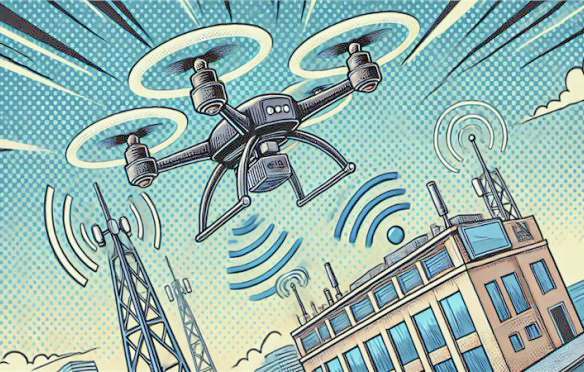


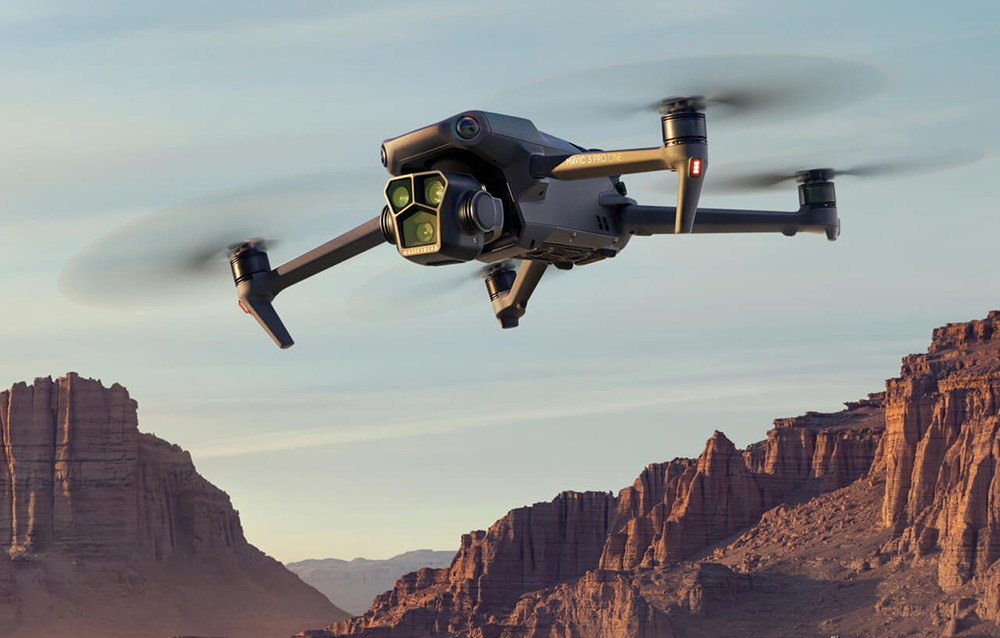
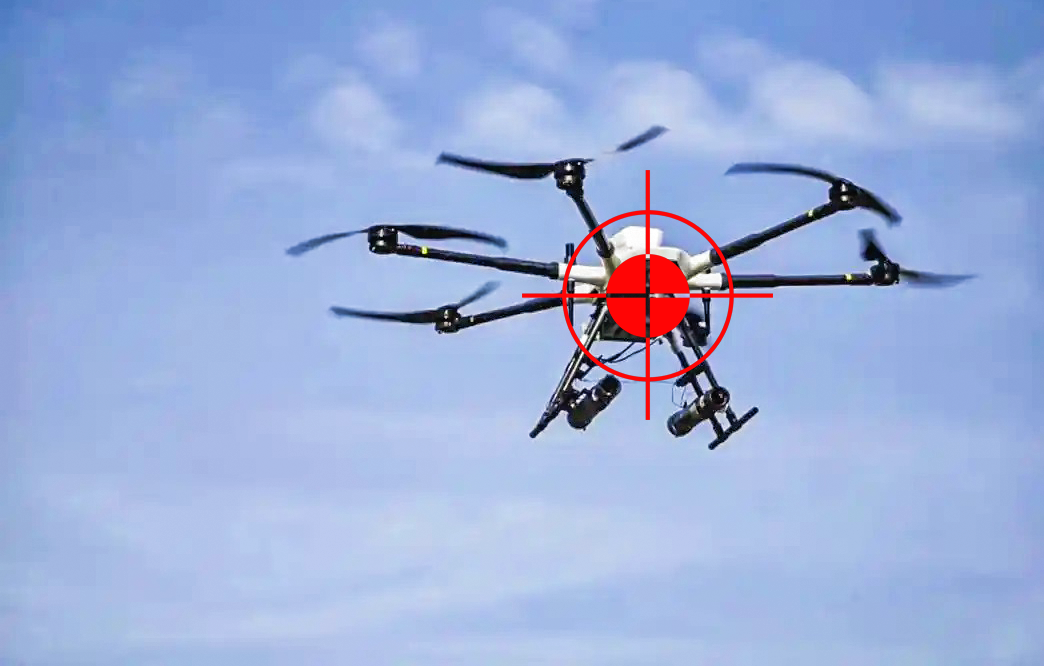
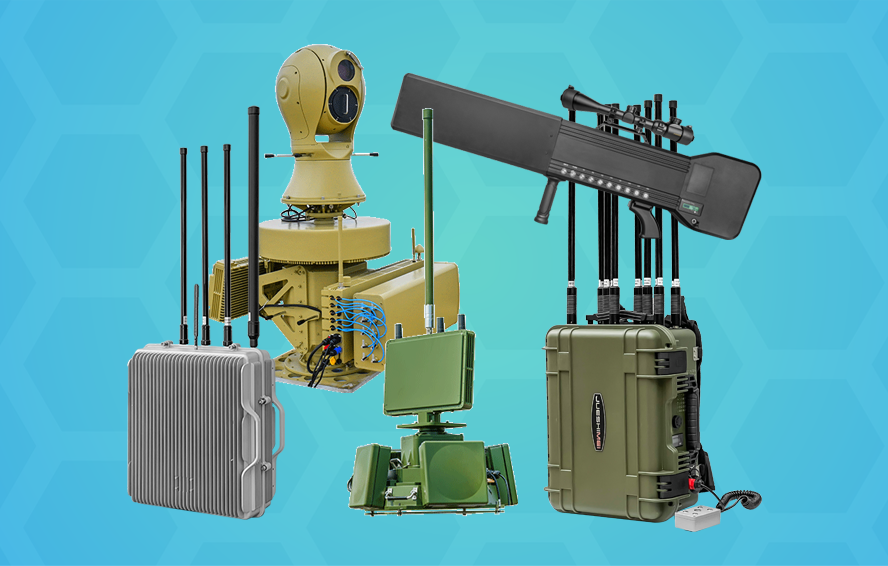
The rapid growth of unmanned aerial vehicles (UAVs) has brought both innovation and risk to the aviation industry. Airports, as critical infrastructure hubs, face increasing threats from unauthorized drones that can disrupt operations, endanger passengers, and compromise safety. To address these challenges, modern airport security relies on multi-layered counter-drone solutions, with drone jammer modules playing a vital role in mitigation.

Why Airports Need Counter-Drone Systems
Unauthorized drones can cause significant disruptions, including flight delays, runway closures, and even collisions with aircraft. High-profile incidents have demonstrated how a single drone can halt airport operations for hours. As UAV technology becomes more accessible, the likelihood of such incidents continues to rise.
Airports require a proactive approach that not only detects drones early but also neutralizes threats effectively. This is where integrated counter-UAS (Unmanned Aircraft System) solutions come into play.
The Concept of Multi-Layered Defense
A multi-layered defense strategy ensures comprehensive protection by combining different technologies that work together seamlessly. Instead of relying on a single method, airports deploy multiple systems to detect, track, identify, and mitigate drone threats.
Typical layers include:
- Detection Systems: Radar, radio frequency (RF) scanners, and electro-optical sensors identify drones in real time.
- Identification & Tracking: Advanced software analyzes signals to determine drone type, location, and trajectory.
- Mitigation Measures: Drone jammer modules and other countermeasures disrupt or neutralize unauthorized UAVs.
This layered approach increases reliability and reduces the risk of system failure.
Role of Drone Jammer Modules in Airport Security
Drone jammer modules are a key component in the mitigation layer. These modules emit targeted radio frequency signals to interfere with the communication between a drone and its operator.
Their primary functions include:
- Signal Disruption: Blocking control signals between the drone and the remote controller.
- GNSS Interference: Disrupting GPS or GNSS signals, causing the drone to lose navigation capability.
- Forced Landing or Return: Triggering built-in safety protocols that force the drone to land or return to its starting point.
Modern jammer modules are designed to operate across multiple frequency bands, ensuring compatibility with a wide range of commercial and custom UAVs.
Advantages of Using Drone Jammer Modules
Drone jammer modules offer several benefits when integrated into airport counter-drone systems:
- Fast Response Time
Jammers can neutralize threats almost instantly once a drone is detected. - Scalable Deployment
Modules can be installed in fixed locations around the airport or integrated into mobile units for flexible coverage. - Precision Targeting
Directional antennas allow operators to focus interference on specific threats, minimizing disruption to surrounding systems. - Compatibility with Existing Systems
Jammer modules can be easily integrated with radar and detection platforms, enhancing overall system efficiency.
Integration Challenges and Considerations
While drone jammers are effective, their deployment in airport environments must be carefully managed. Airports rely heavily on communication and navigation systems, so any interference must be controlled and compliant with regulations.
Key considerations include:
- Regulatory Compliance: Ensuring adherence to local and international laws governing RF emissions.
- Frequency Management: Avoiding interference with aviation communication systems.
- System Coordination: Integrating jammers with detection systems for precise activation.
- Operational Safety: Ensuring that mitigation actions do not create additional risks.
A well-designed system uses intelligent control software to activate jamming only when necessary and within defined parameters.
Future Trends in Airport Counter-Drone Technology
As drone technology evolves, so do countermeasures. Future airport defense systems are expected to incorporate:
- Artificial Intelligence (AI): Enhancing detection accuracy and decision-making.
- Automated Response Systems: Reducing human intervention for faster mitigation.
- Advanced RF Technologies: Improving jamming efficiency while minimizing collateral interference.
- Networked Security Platforms: Integrating counter-drone systems with broader airport security infrastructure.
These innovations will further strengthen the ability of airports to manage drone threats effectively.
Conclusion
Airports face a growing challenge from unauthorized drones, making robust counter-UAS systems essential. A multi-layered defense strategy, supported by advanced drone jammer modules, provides a reliable solution to detect, track, and neutralize UAV threats.
By combining detection technologies with precise RF jamming capabilities, airports can maintain operational continuity and ensure the safety of passengers, staff, and aircraft. As technology continues to advance, integrated and intelligent counter-drone systems will remain a cornerstone of modern airport security.
