



Unauthorized drones have become a daily security headache. From contraband drops over prison walls to surveillance of critical infrastructure, the threat demands an electronic countermeasure that works reliably. The question facing security directors in 2026 is not whether to deploy drone jammers, but rather which form factor best fits their operational reality: handheld or fixed. Both categories have matured rapidly, but they serve fundamentally different missions. This guide breaks down the trade-offs and helps you align the technology with your specific protection profile.
The Mobile Advantage: Handheld Jammers
A handheld anti-drone jammer is exactly what it sounds like—a rifle-style, pistol-grip, or tablet-shaped device carried by a single operator. Modern units weigh 5–8 kilograms and integrate directional or omnidirectional antennas. Their core strength is tactical agility. A security officer on a roving patrol, a quick-response team at a stadium, or a military squad on the move can bring the jammer to the threat within seconds. There is no cable trenching, no mast erection, no infrastructure dependency beyond charged batteries.
Handheld jammers excel in scenarios where the point of attack is unpredictable. VIP motorcades, temporary event perimeters, and border patrols all benefit from a solution that moves with the team. The best 2026 models offer one-touch activation, haptic feedback, and hot-swappable battery packs that provide 1–2 hours of continuous jamming. Their range is typically limited to 1–2 kilometers against consumer drones, but this is often sufficient when the operator can visually acquire the target and orient a directional antenna.
The downside is clear: limited dwell time, lower effective radiated power, and an operator who must remain exposed to the drone threat. Handheld jammers also require constant training to ensure the operator can correctly aim and activate under stress.
The Perimeter Shield: Fixed Jammers
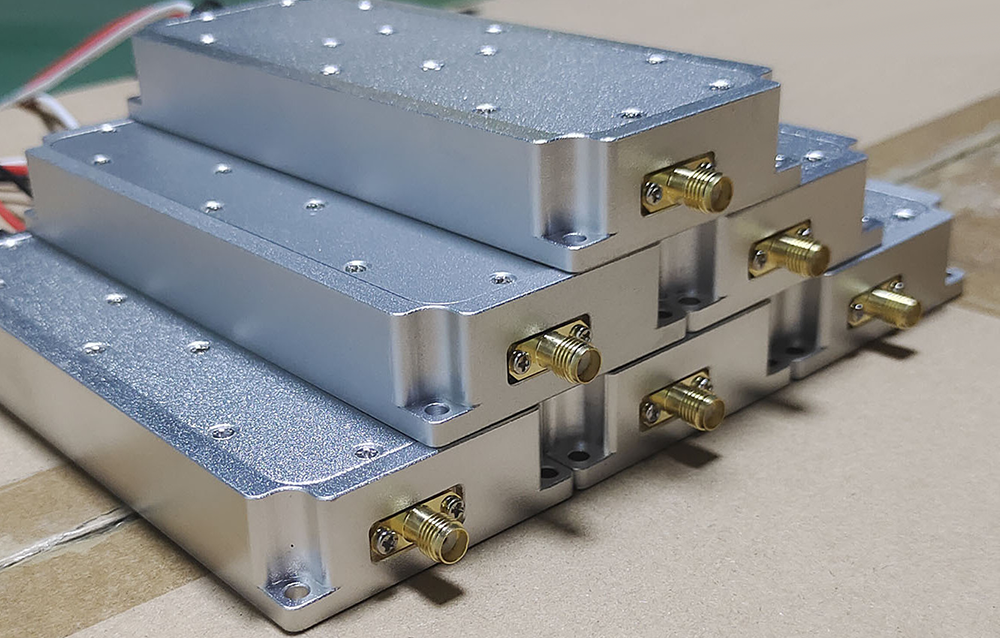
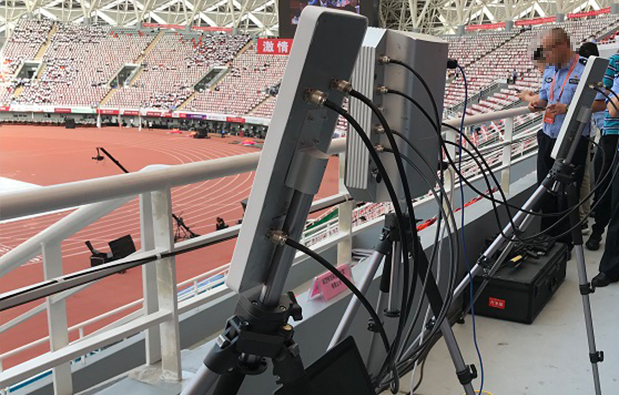
Fixed-site anti-drone jammers are permanent or semi-permanent installations designed to protect a defined geographical area. They are mounted on rooftop poles, towers, or concrete pads and are hardwired into facility power. Because weight and battery life are not constraints, fixed systems can pack high-power amplifiers—often 100 watts or more—driving sector antennas that create a precisely shaped electromagnetic dome over a prison yard, an airport runway, or a military fuel depot.
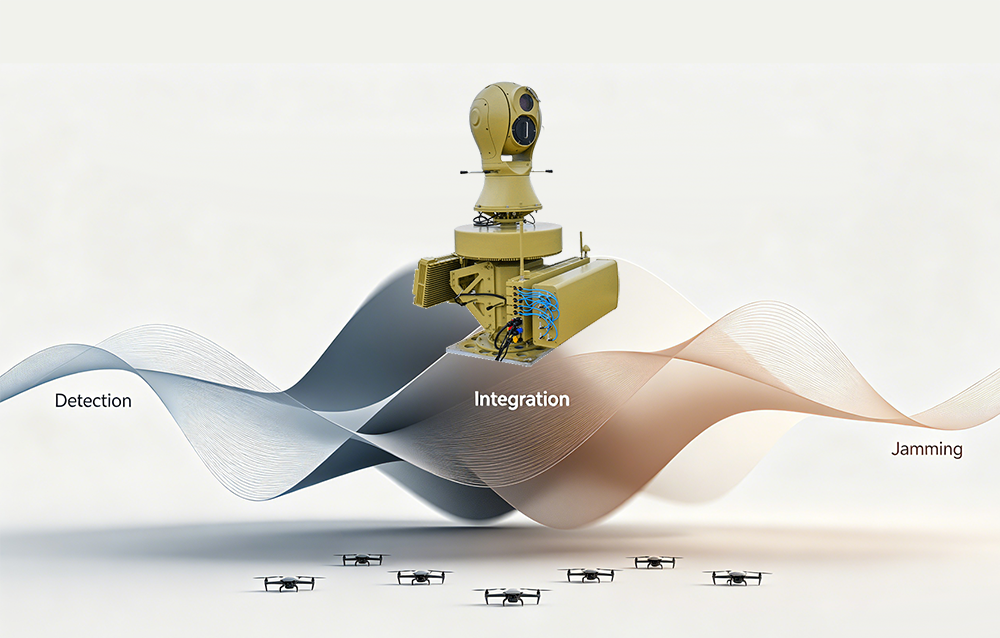
The primary benefit is always-on, unattended operation. Once calibrated, a fixed jammer can sit silently in standby, triggered automatically by a radar or RF detection cue. Its coverage can extend to 5 kilometers or more depending on terrain and antenna configuration. Continuous cooling systems, redundant power supplies, and remote health monitoring make these units suitable for critical national infrastructure where downtime is unacceptable.
The trade-offs are equally stark. Fixed installations are expensive to plan, license, and deploy. Environmental impact assessments, spectrum coordination with local authorities, and line-of-sight studies are prerequisites. They also lack flexibility: the protected zone is static, and repositioning requires a new engineering cycle. In urban areas, fixed jammers can cause significant collateral interference, so precise beam-steering and power management are essential.
Key Comparison Points
Power and Range: Fixed systems deliver ten to fifty times the effective radiated power of a handheld unit, translating to much larger kill zones. Handheld units trade raw power for portability.
Deployment Speed: A handheld jammer deploys in seconds. A fixed system can take weeks of site surveys and installation. If you need a solution for a one-week summit, handheld is the obvious choice.
Multi-Threat Handling: Fixed jammers can blanket an entire band continuously, making them effective against multiple simultaneous drones or swarms. A handheld unit typically engages one threat at a time, requiring the operator to switch targets.
Operational Costs: Handheld jammers have a lower upfront price but demand ongoing battery inventory and personnel training. Fixed systems require higher capital expenditure but minimal per-engagement cost once installed.
Regulatory Path: Both forms require spectrum authorization. Fixed installations often face more rigorous coordination because their permanent high-power emissions can interfere with licensed services over a wide area.
Choosing Based on Your Mission Profile
If your security operation involves mobile assets, rapid response, or temporary protection, deploy handheld jammers in sufficient quantity to cover your patrol zones. Train operators to use them as an extension of their situational awareness toolkit, not as a standalone cure-all.
If you are guarding static critical infrastructure—prisons, power plants, government buildings, or large signal-intelligence sites—a fixed jammer with automated cueing from a radar or RF detection network offers the layered, always-on protection that a human guard with a handheld cannot match. In these settings, a fixed jammer may be integrated with a broader counter-UAS kill chain that includes cameras and kinetic effectors.
The Hybrid Reality: Why Not Both?
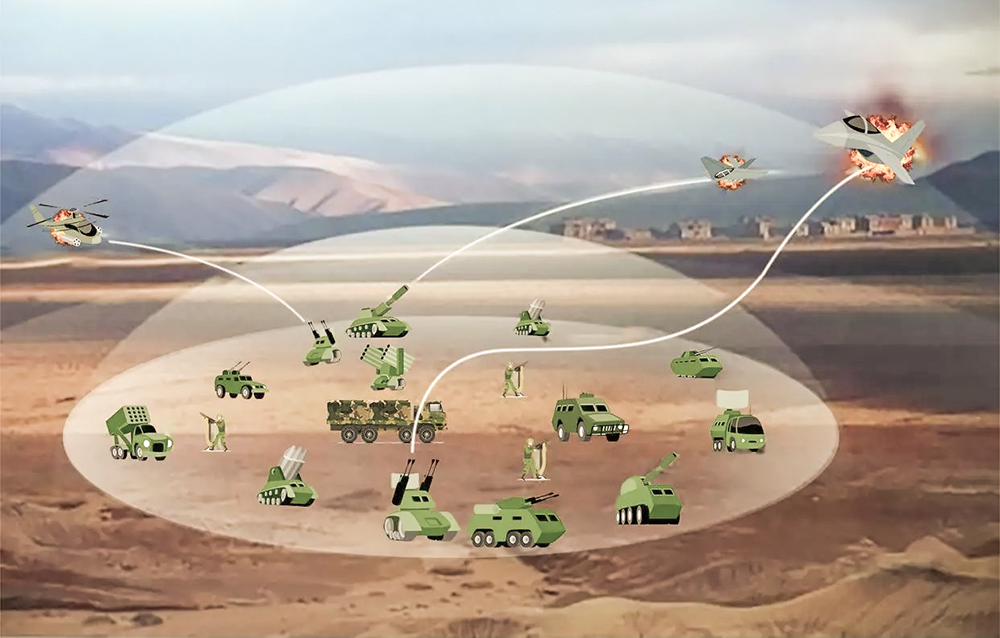
The most mature security programs do not pick one type. They build a tiered defense where fixed systems create a wide-area denial umbrella, and handheld jammers fill gaps, serve as backups, or handle transient threats that fall outside the fixed coverage pattern. A prisoner transport, for example, might leave the protection of a prison’s fixed jammer and rely on a vehicle-mounted or handheld unit for the journey. This layered approach ensures continuity of protection regardless of the threat’s mobility.
Ultimately, the choice between handheld and fixed anti-drone jammers is not about which technology is superior. It is about the nature of your threat, the geography you must protect, and the speed at which you need to act. Define your protection mission first, then match the form factor—and be ready to combine both when the stakes demand it.
