

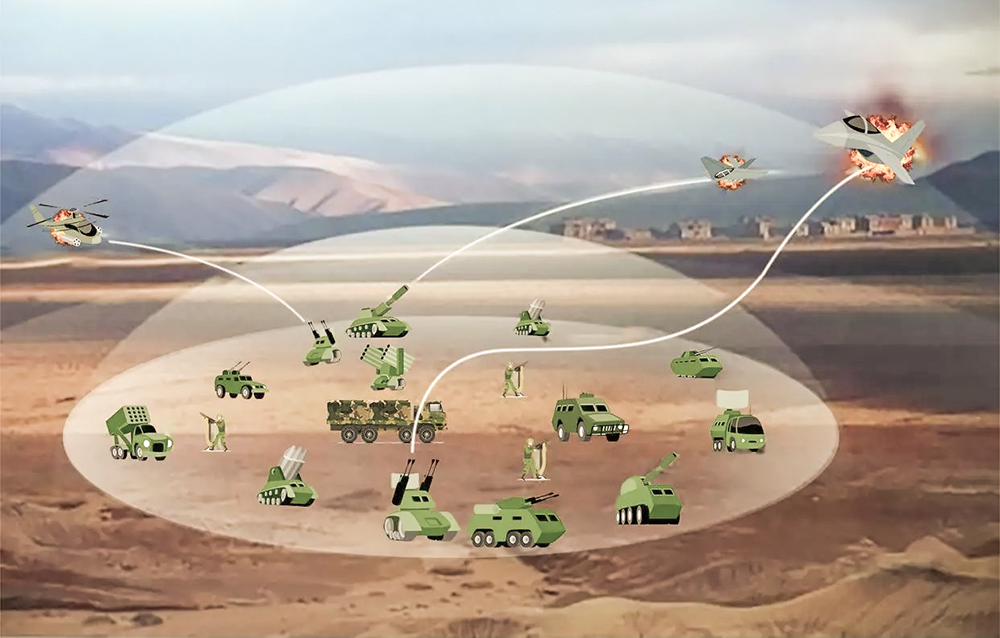

The rapid growth of unmanned aerial vehicles (UAVs) has created new opportunities across industries—but it has also introduced serious security challenges. From unauthorized surveillance to potential threats against critical infrastructure, drones are now a key concern for governments, military units, and private organizations. As a result, anti-drone technologies have evolved significantly, particularly in the integration of detection and jamming capabilities into unified, intelligent systems.
From Isolated Systems to Integrated Solutions
In the early stages of counter-UAS development, detection and jamming were often handled by separate systems. Radar or RF scanners would identify a drone, and operators would manually activate a jammer to disrupt it. While functional, this approach introduced delays and increased the risk of human error.
Today, modern anti-drone jammers are increasingly designed with detection-to-jamming integration. This means that once a drone is detected, identified, and verified as a threat, the system can automatically trigger an appropriate jamming response. This seamless workflow significantly reduces response time and improves operational efficiency.
Key Technologies Driving Integration
Several advanced technologies have contributed to the evolution of integrated anti-drone systems:
1. Multi-Sensor Detection
Modern systems combine multiple detection methods, including radar, radio frequency (RF) analysis, electro-optical (EO), and infrared (IR) sensors. This multi-layered approach enhances detection accuracy and reduces false alarms.
2. AI-Powered Signal Analysis
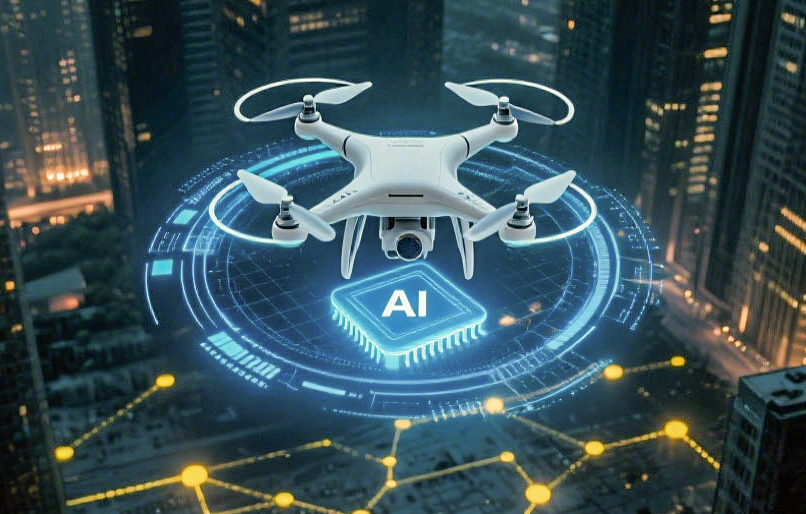
Artificial intelligence and machine learning algorithms can analyze RF signals in real time, identifying drone communication protocols and distinguishing them from background noise. This allows systems to respond more precisely and avoid unnecessary interference.
3. Automated Threat Assessment
Integrated platforms can classify detected drones based on behavior, signal patterns, and flight paths. This enables dynamic threat prioritization and ensures that only verified threats are jammed.
4. Smart Jammer Modules
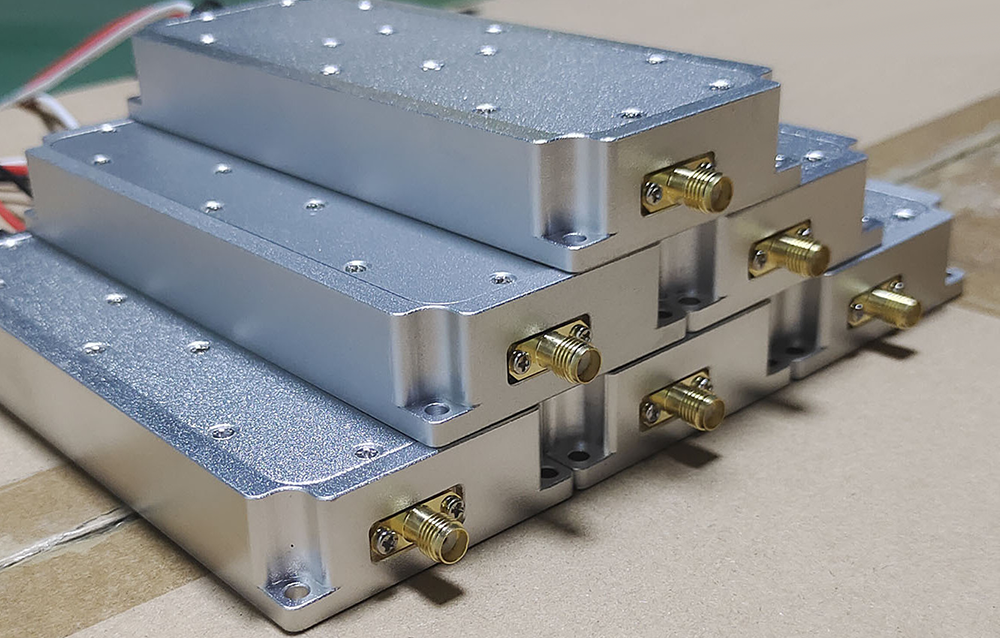
Modern drone jammer modules are capable of selectively targeting specific frequency bands, such as GPS, ISM, or control links. This minimizes collateral disruption to nearby communication systems while effectively neutralizing the drone.
Benefits of Detection-to-Jamming Integration
The integration of detection and jamming functions offers several critical advantages:
Faster Response Time
Automated workflows eliminate the delay between detection and countermeasure deployment, enabling near-instantaneous response to threats.
Improved Accuracy
By combining multiple data sources, integrated systems can more accurately identify drones and reduce false positives.
Operational Efficiency
Automation reduces the need for constant human monitoring, allowing security teams to focus on higher-level decision-making.
Scalability
Integrated systems can be deployed across various environments, from airports and military bases to public events and industrial facilities.
Real-World Applications
Detection-to-jamming integrated systems are now widely used in a variety of scenarios:
- Critical Infrastructure Protection: Power plants, oil refineries, and communication hubs rely on integrated systems to prevent unauthorized drone access.
- Border Security: Automated detection and jamming help monitor and secure large, remote areas.
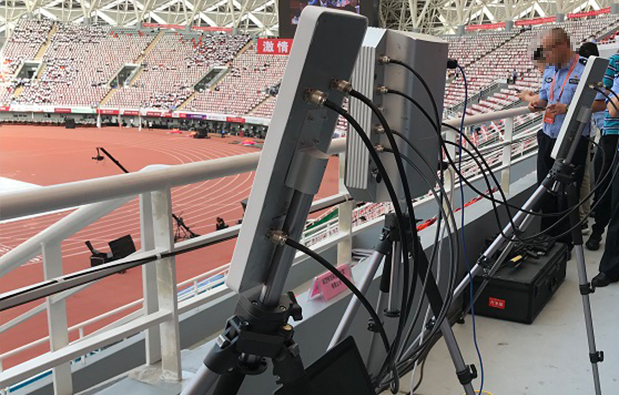
- Event Security: Large public gatherings benefit from rapid response capabilities to mitigate drone-related risks.
- Military Operations: Integrated counter-UAS systems provide real-time defense against hostile drones in complex environments.
Challenges and Considerations
Despite the advantages, integrating detection and jamming systems also presents challenges:
Spectrum Management
Jamming must be carefully controlled to avoid disrupting legitimate communications, especially in urban environments.
Legal and Regulatory Compliance
Different countries have strict regulations regarding the use of jamming technologies, requiring operators to ensure compliance.
System Complexity
Highly integrated systems require advanced configuration and maintenance, which may increase initial deployment costs.
The Future of Smart Anti-Drone Jammers
As drone technology continues to evolve, so too will countermeasures. Future anti-drone jammers are expected to feature deeper AI integration, improved autonomous decision-making, and enhanced interoperability with other security systems.
Emerging trends include cloud-based threat intelligence sharing, adaptive jamming techniques, and the use of edge computing for faster on-site processing. These advancements will further strengthen the ability of integrated systems to respond to increasingly sophisticated drone threats.
Conclusion
The shift from standalone detection and jamming systems to fully integrated solutions marks a significant milestone in counter-UAS technology. By combining real-time detection, intelligent analysis, and automated response, modern anti-drone jammers are becoming smarter, faster, and more reliable.
For organizations seeking effective drone defense, investing in detection-to-jamming integration is no longer optional—it is essential.
