

Introduction
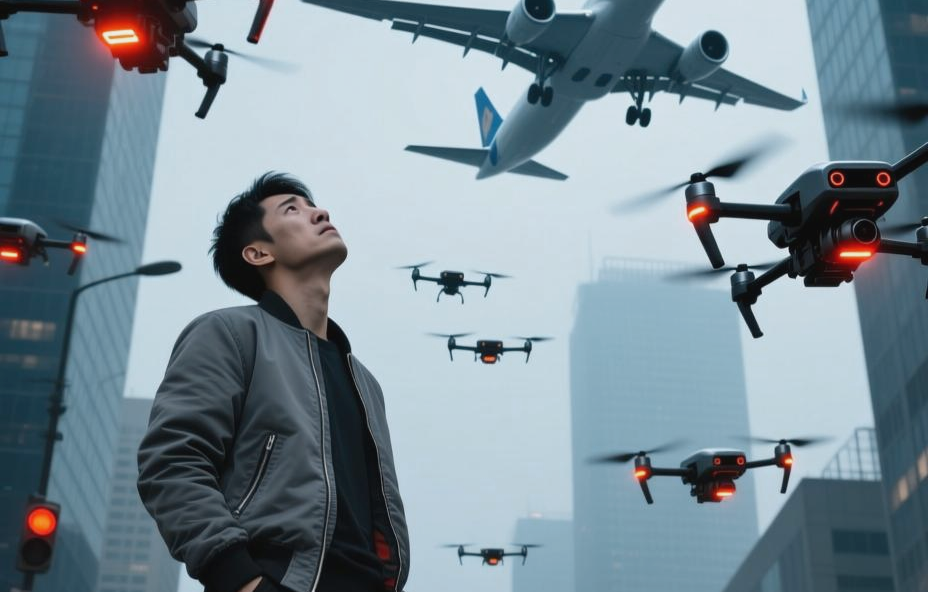
The rapid proliferation of unmanned aerial vehicles (UAVs) has created new challenges for security, defense, and critical infrastructure protection. Traditional counter-drone solutions often rely on static detection and fixed-frequency interference, which may struggle against evolving drone technologies.
Today, AI-powered anti-drone systems are transforming the landscape. By combining intelligent detection with adaptive drone jammer modules, these systems offer faster response times, higher accuracy, and improved operational flexibility.
The Evolution of Anti-Drone Technology
Early counter-UAS systems primarily focused on radar detection and manual intervention. While effective in basic scenarios, these systems faced limitations such as:
- High false alarm rates
- Limited ability to identify drone types
- Slow response to dynamic threats
With the integration of artificial intelligence, modern systems can now process vast amounts of sensor data in real time. AI algorithms enable automatic classification, tracking, and threat assessment, significantly enhancing overall system performance.
Smart Detection: The First Line of Defense
AI-driven detection systems use a combination of sensors, including:
- Radio frequency (RF) scanners
- Radar systems
- Electro-optical and infrared (EO/IR) cameras
- Acoustic sensors
By applying machine learning models, these systems can distinguish drones from birds, aircraft, or environmental noise. More importantly, AI can identify specific drone communication protocols and flight patterns.
This level of precision allows operators to respond quickly and appropriately, reducing unnecessary interference and improving situational awareness.
Adaptive Drone Jammer Modules: Precision Countermeasures
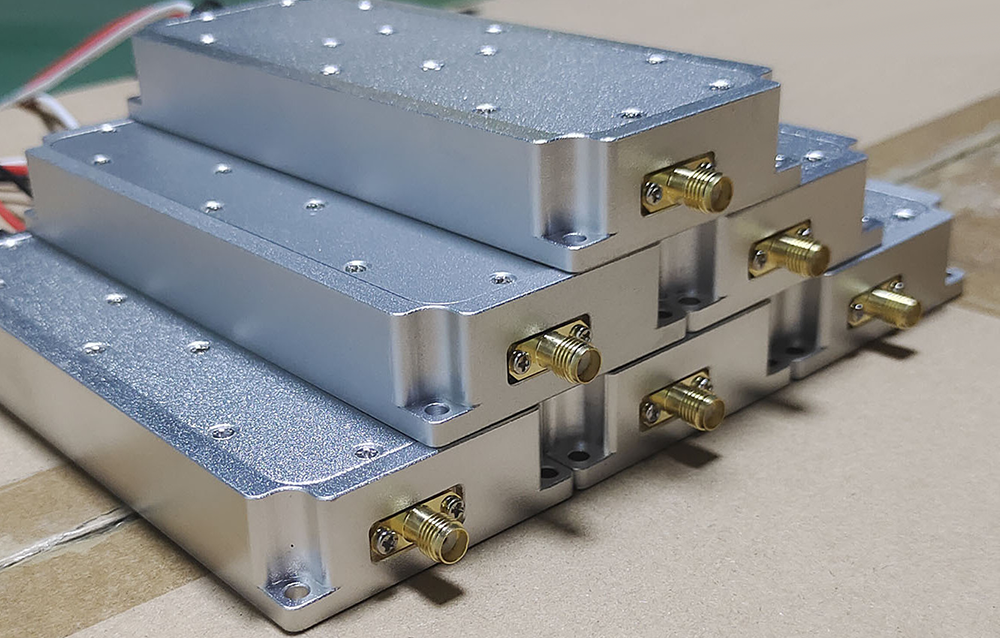
Once a threat is identified, the next step is mitigation. This is where adaptive drone jammer modules play a critical role.
Unlike conventional jammers that operate on fixed frequencies, adaptive modules can:
- Automatically adjust frequency bands (e.g., 2.4GHz, 5.8GHz, GNSS)
- Modify output power based on distance and threat level
- Target specific communication links instead of broad-spectrum interference
This intelligent jamming approach minimizes collateral disruption to surrounding communication systems while maximizing effectiveness against the target UAV.
AI Integration: Closing the Loop
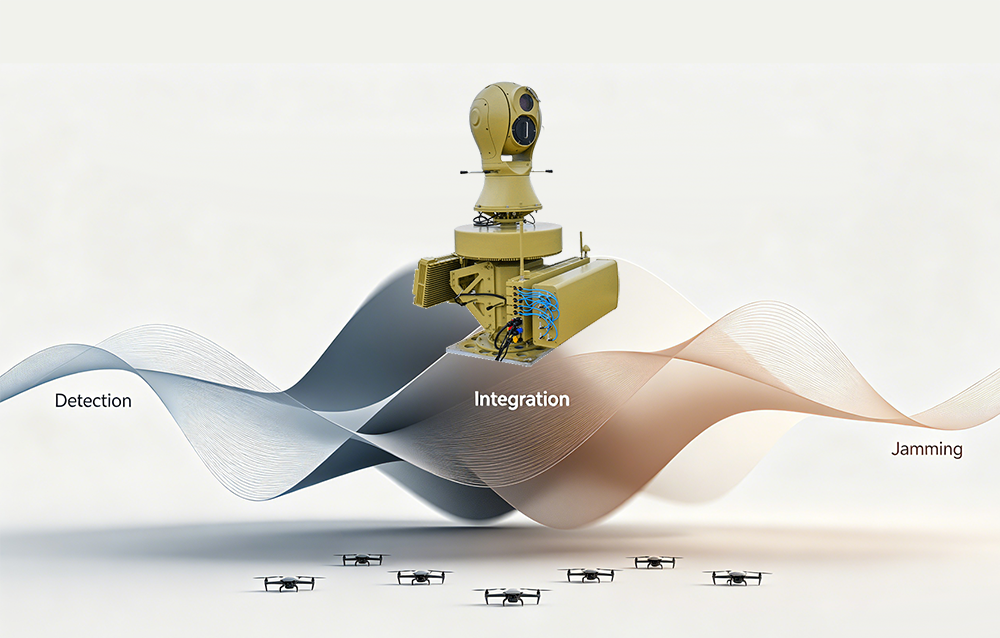
The true power of AI-powered anti-drone systems lies in the seamless integration between detection and jamming.
AI enables a closed-loop system where:
- A drone is detected and classified
- Threat level is assessed in real time
- The optimal jamming strategy is selected automatically
- The jammer adapts continuously as the drone changes behavior
This dynamic response ensures that even advanced drones using frequency hopping or encrypted communication can be effectively countered.
Key Applications of AI-Based Counter-UAS Systems
AI-powered anti-drone jammer are increasingly deployed across various sectors:
- Airports: Prevent unauthorized UAVs from disrupting flight operations
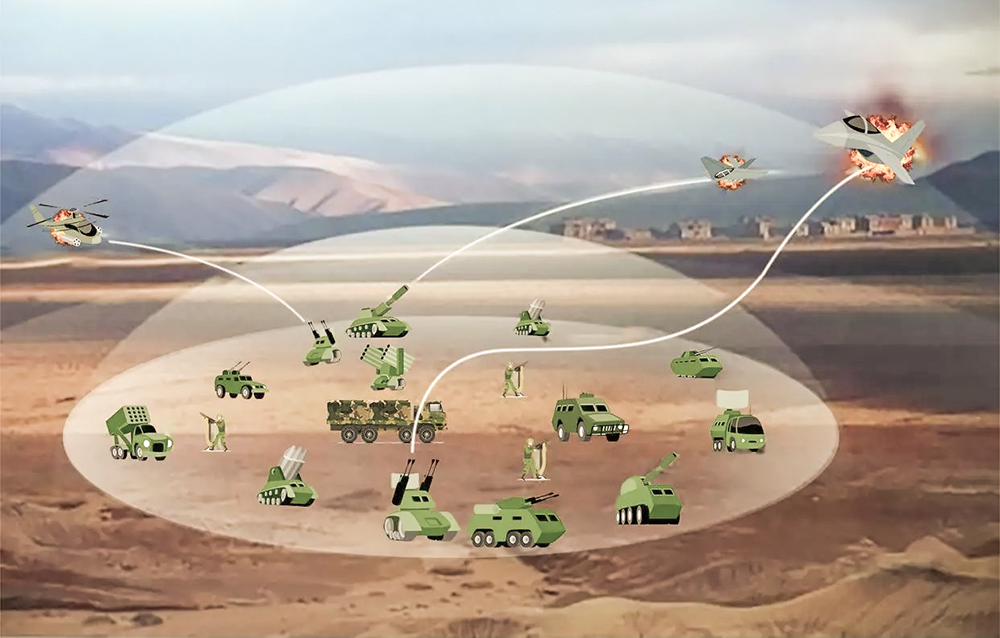
- Military and defense: Counter reconnaissance and hostile drones
- Critical infrastructure: Protect power plants, oil facilities, and data centers
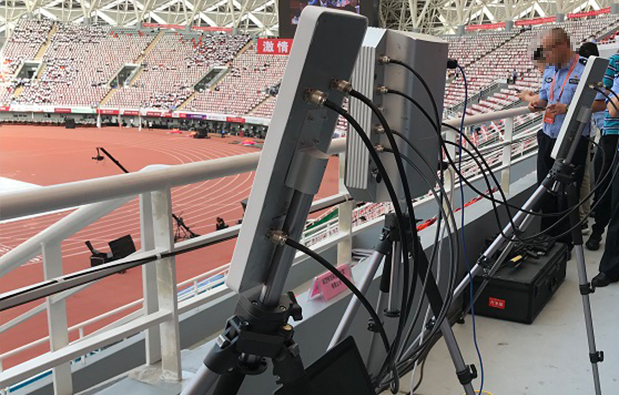
- Public safety: Secure large events and urban environments
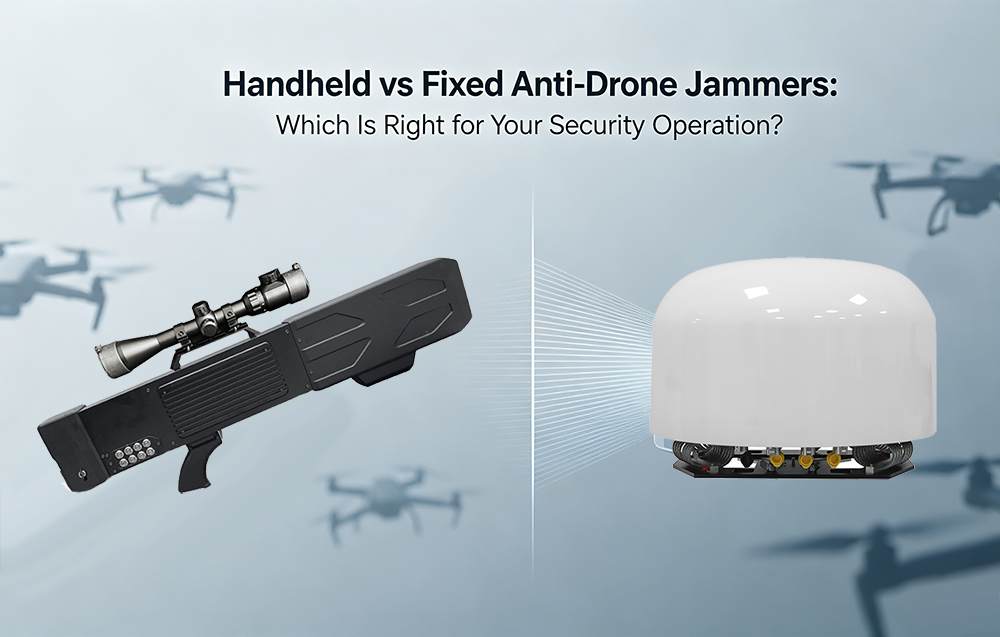
Their ability to operate autonomously makes them ideal for both fixed installations and mobile platforms.
Challenges and Future Trends
Despite significant advancements, AI-powered anti-drone jammer still face challenges:
- Regulatory restrictions on RF interference
- Increasing use of autonomous drones with minimal RF signatures
- The need for continuous AI model training
Looking ahead, future developments may include:
- Integration with swarm intelligence countermeasures
- Edge AI for faster on-site processing
- Enhanced multi-sensor fusion technologies
These innovations will further strengthen the effectiveness of counter-UAS systems.
Conclusion
AI-powered anti-drone systems represent a major leap forward in UAV defense technology. By combining smart detection with adaptive jammer modules, they provide a more precise, efficient, and scalable solution to modern drone threats.
As UAV technology continues to evolve, adopting AI-driven countermeasures will be essential for maintaining security and operational control in increasingly complex environments.
