
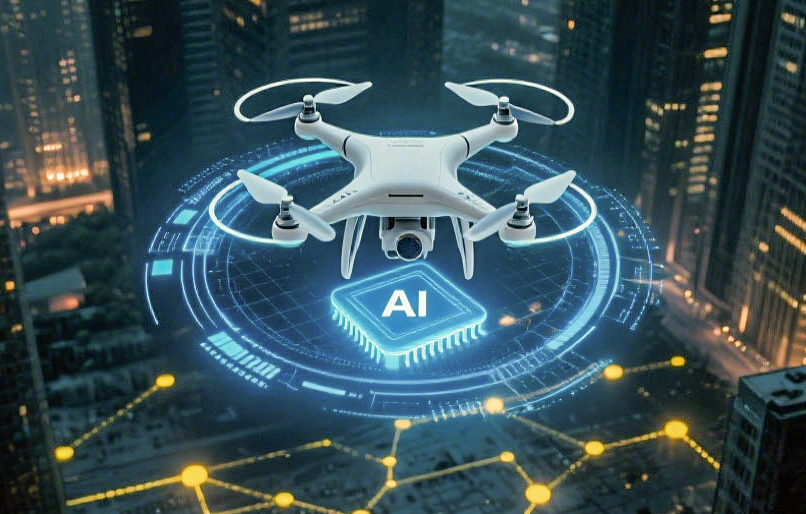

The rapid expansion of drone applications across commercial, industrial, and military sectors has created new challenges for airspace security. Unauthorized drones can pose risks to critical infrastructure, public safety, and sensitive operations. As a result, counter-drone technology is evolving quickly, with smart jamming modules and artificial intelligence (AI) integration leading the next wave of innovation.
The Shift Toward Intelligent Counter-Drone Systems
Traditional drone jamming systems rely heavily on manual operation and fixed configurations. While effective in certain scenarios, these systems often lack adaptability in dynamic environments. The future of counter-drone technology lies in intelligent systems capable of real-time decision-making.
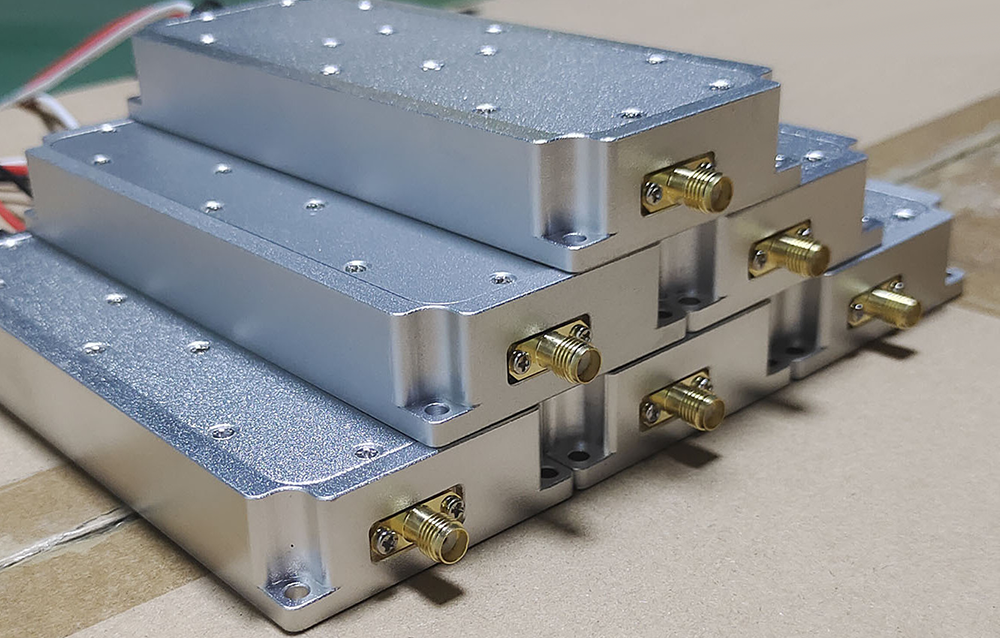
Smart jamming modules are designed to automatically analyze signals, identify threats, and respond with optimized interference strategies. This shift reduces the need for constant human intervention and enhances response speed, which is critical when dealing with fast-moving UAVs.
AI-Powered Signal Detection and Classification
Artificial intelligence is transforming how counter-drone systems detect and classify UAV signals. By leveraging machine learning algorithms, modern systems can distinguish between different types of drones, communication protocols, and frequency bands.
AI enables pattern recognition based on historical data, allowing systems to quickly identify whether a detected signal belongs to a commercial drone, a custom-built UAV, or even a non-threatening device. This level of precision helps reduce false alarms and ensures that countermeasures are only deployed when necessary.
Adaptive and Targeted Jamming
One of the most promising trends is the development of adaptive jamming techniques. Unlike traditional wideband interference, smart jamming modules can dynamically adjust frequency, power output, and modulation patterns based on the target drone’s behavior.
AI plays a key role in this process by continuously analyzing the drone’s communication signals and adapting the jamming strategy in real time. This targeted approach not only increases effectiveness but also minimizes interference with other electronic systems in the surrounding environment.
Integration with Multi-Sensor Systems
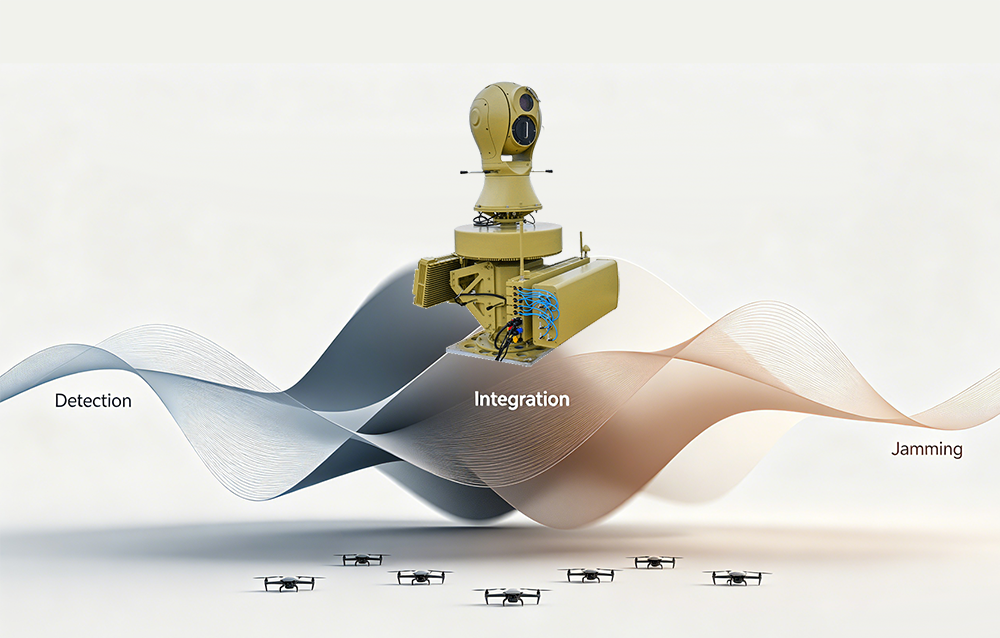
Future counter-drone solutions will increasingly rely on multi-sensor integration. Smart jamming modules are being combined with radar systems, RF detectors, acoustic sensors, and optical cameras to create a comprehensive detection and response network.
AI acts as the central processing unit, fusing data from multiple sources to provide a unified situational awareness. Once a drone is detected and tracked, the system can automatically deploy the most appropriate countermeasure, whether it is jamming, spoofing, or alerting security personnel.
Automation and Autonomous Response
Automation is another key trend shaping the future of counter-drone technology. Advanced systems are moving toward fully autonomous operation, where detection, identification, tracking, and neutralization occur without human input.
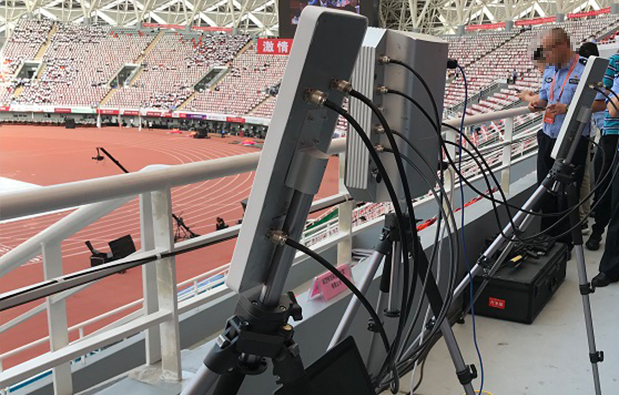
This capability is particularly valuable in high-risk environments such as airports, military bases, and large public events. Autonomous systems can operate continuously, respond instantly to threats, and maintain consistent performance under pressure.
Enhanced Energy Efficiency and Miniaturization
As technology advances, smart jamming modules are becoming more compact and energy-efficient. The integration of AI allows for more precise use of power, ensuring that energy is only applied where and when it is needed.
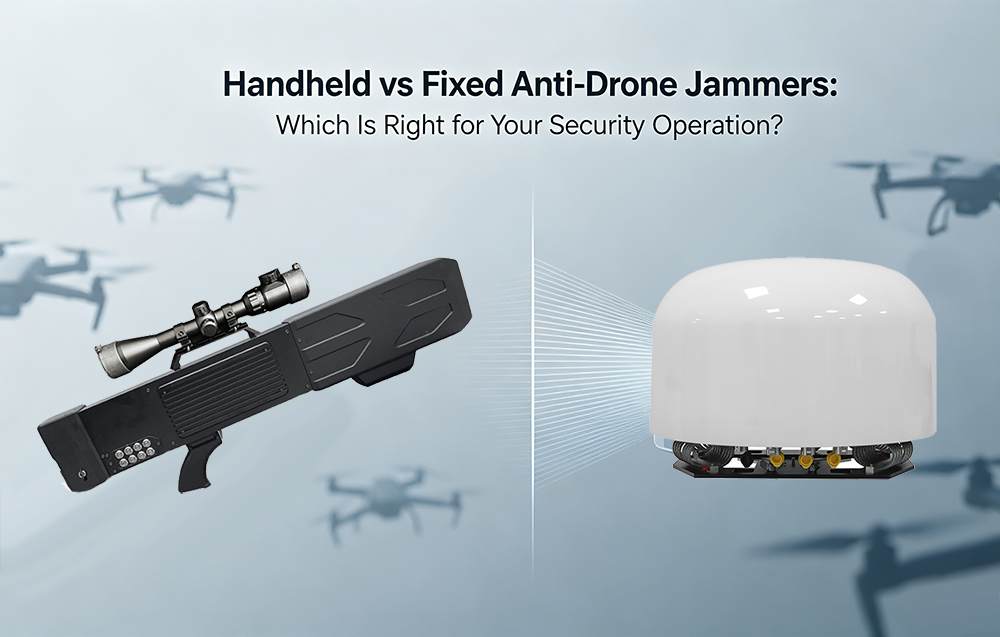
This trend supports the development of portable and mobile counter-drone solutions, enabling rapid deployment in various scenarios. Lightweight systems with high efficiency are especially beneficial for field operations and temporary security setups.
Challenges and Ethical Considerations
Despite these advancements, the future of counter-drone technology also presents challenges. AI-driven systems must be carefully designed to avoid unintended interference with civilian communications and navigation systems.
Additionally, there are ethical and regulatory concerns surrounding autonomous decision-making in defense systems. Ensuring transparency, accountability, and compliance with local laws will be essential as these technologies become more widespread.
The Road Ahead
Looking forward, the integration of AI with smart jamming modules will continue to redefine the capabilities of counter-drone systems. Advances in deep learning, edge computing, and real-time data processing will further enhance system intelligence and responsiveness.
Collaboration between technology developers, regulatory bodies, and end-users will play a crucial role in shaping a safe and effective counter-drone ecosystem. As threats evolve, so must the solutions designed to counter them.
Conclusion
The future of counter-drone technology is undeniably intelligent, adaptive, and highly integrated. Smart jamming modules combined with AI are setting new standards for efficiency, precision, and automation in UAV defense.
Organizations seeking to protect their airspace must embrace these emerging trends to stay ahead of potential threats. By investing in advanced counter-drone solutions, they can ensure stronger security and greater operational confidence in an increasingly drone-populated world.
