

As drone technology continues to evolve rapidly, counter-drone systems have become essential for protecting airspace security. However, building an effective defense system is not simple. Experts often refer to the “Four Difficulties” of counter-drone technology: detection, jamming, interception, and regulation.
Each of these challenges plays a critical role in determining the effectiveness of modern counter-UAS (Unmanned Aerial System) solutions.
1. Detection: Identifying the Threat Early
Detection is the first and most fundamental challenge in counter-drone operations. Before any action can be taken, a drone must first be identified accurately.
Key difficulties in detection include:
- Small size and low radar cross-section of drones
- Low-altitude flight patterns that avoid traditional radar systems
- Use of commercial frequencies that blend with background signals
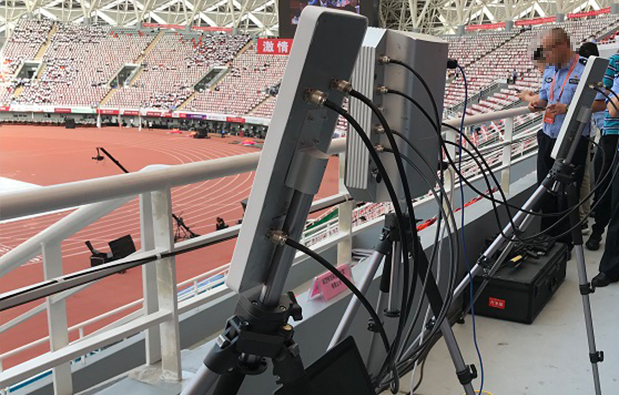
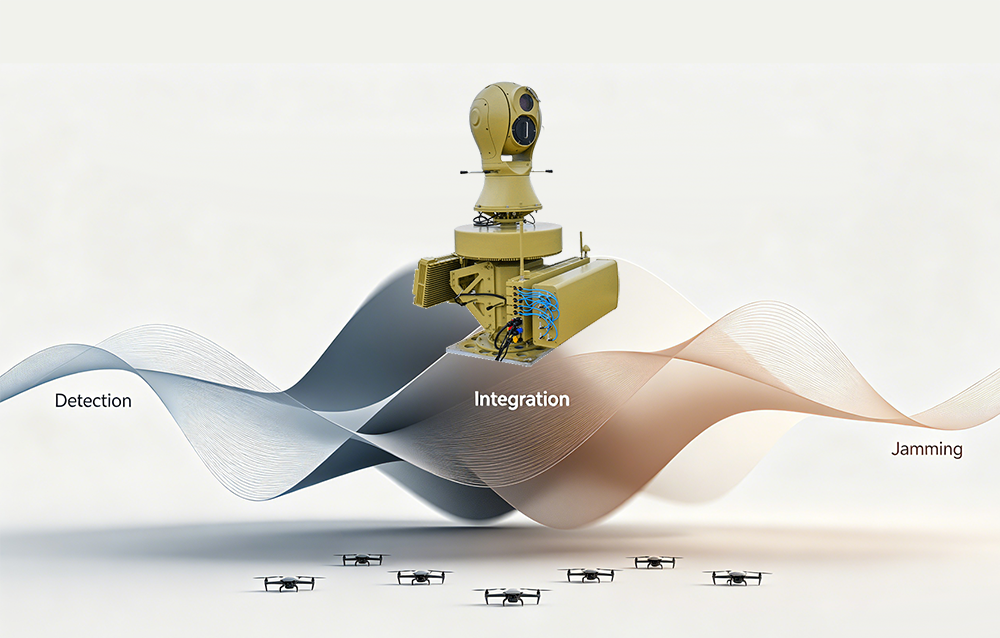
Modern detection systems rely on a combination of radar, RF sensing, acoustic sensors, and optical tracking. However, no single method is fully sufficient on its own. Effective detection usually requires sensor fusion to improve accuracy and reduce false alarms.
2. Jamming: Disrupting Drone Control Signals
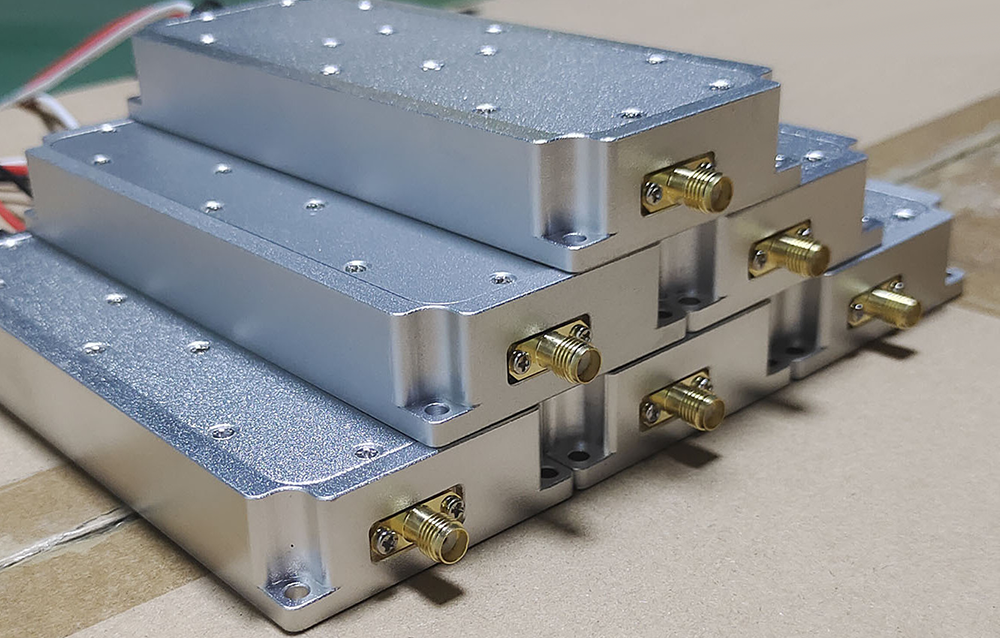
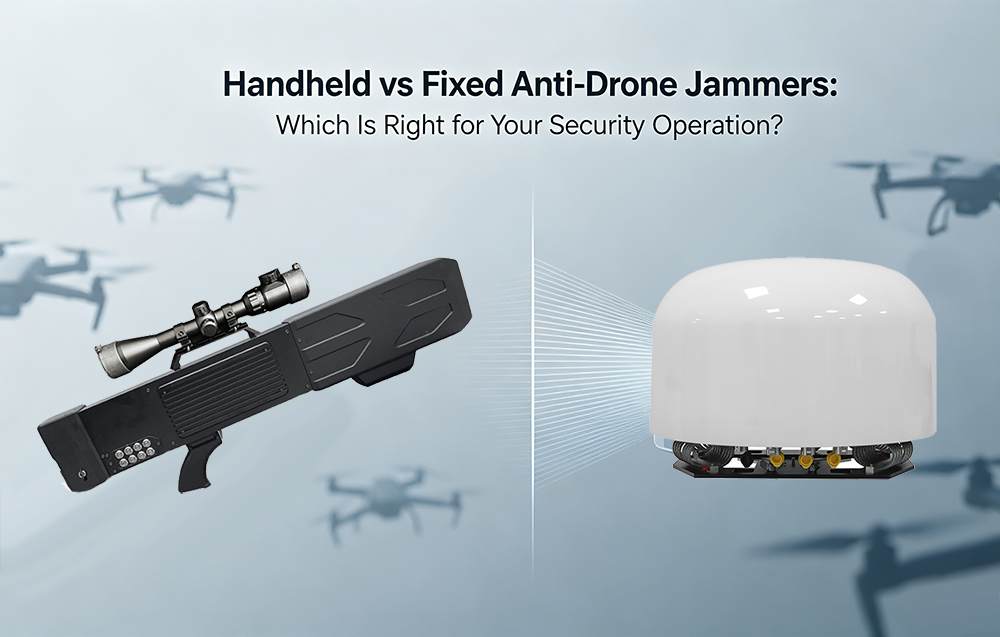
Once a drone is detected, jamming is often used as a non-kinetic countermeasure. Drone jamming systems work by emitting RF signals that interfere with control, video transmission, or navigation systems.
Key challenges in jamming include:
- Increasingly complex drone communication protocols
- Frequency hopping and encrypted transmission
- Risk of interfering with nearby legitimate communications
- Regulatory restrictions in many regions
Advanced systems use wideband and adaptive jamming technologies to improve effectiveness while minimizing unintended interference. Despite its advantages, jamming requires careful control to ensure compliance and safety.
3. Interception: Physical or Cyber Neutralization
Interception refers to physically or digitally taking control of a drone or forcing it to land safely. This can include kinetic methods or cyber takeover techniques.
Common interception methods:
- Net-based capture systems
- Drone-on-drone interception
- GNSS spoofing or control hijacking
Challenges in interception include:
- High precision requirements for moving targets
- Risk of debris in populated areas
- Advanced autonomy in modern drones reduces vulnerability
Interception is often considered a last-resort option due to its complexity and operational risks.
4. Regulation: Legal and Operational Constraints
Regulation is often the most complex difficulty in counter-drone deployment. Even if technology is available, legal frameworks may limit how it can be used.
Key regulatory challenges include:
- Restrictions on RF jamming in civilian environments
- Airspace laws and aviation authority approvals
- Privacy and data protection concerns
- Cross-border differences in legislation
In many countries, only authorized government or military agencies are allowed to deploy active counter-drone systems. This creates a gap between technological capability and operational permission.
How These Four Challenges Are Connected
The four difficulties are not isolated—they are deeply interconnected. For example:
- Poor detection reduces the effectiveness of jamming
- Ineffective jamming increases reliance on interception
- Strict regulation limits deployment options across all methods
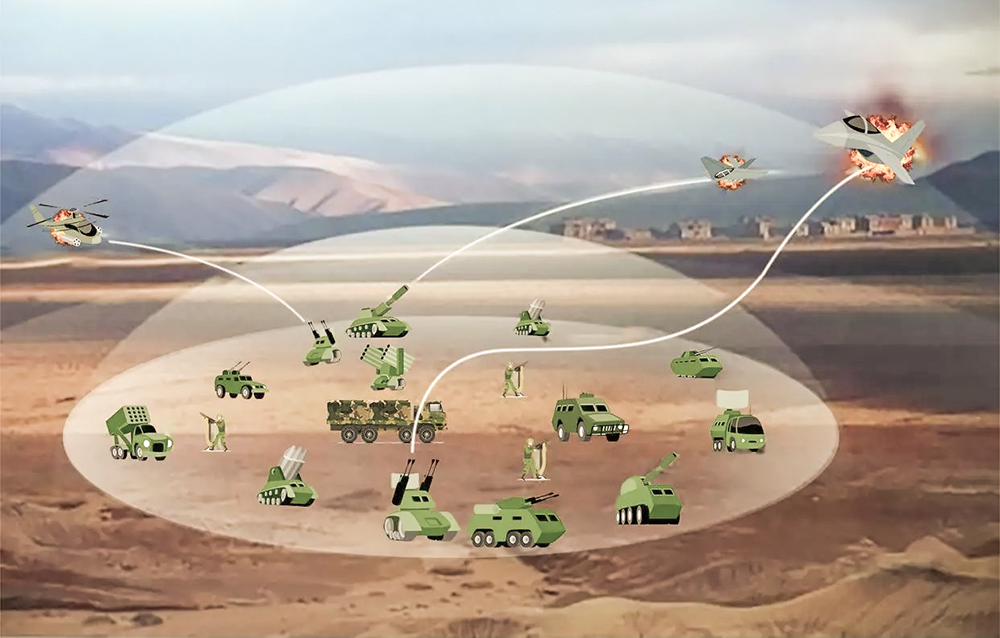
Therefore, modern counter-drone systems must be designed as integrated solutions rather than standalone tools.
Technological Trends Addressing the Challenges
To overcome these difficulties, the industry is evolving rapidly:
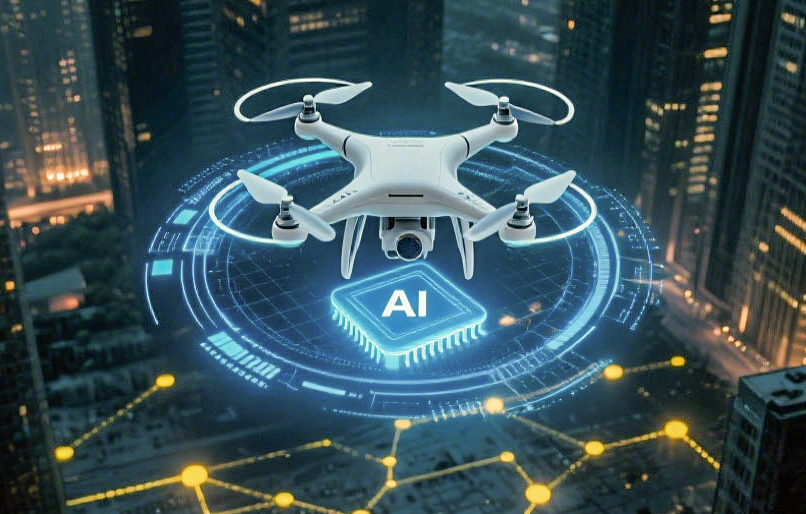
- AI-powered detection systems improve accuracy and reduce false positives
- Wideband RF jamming modules enhance adaptability against frequency-hopping drones
- Autonomous interception drones increase precision and response speed
- Regulatory-compliant architectures ensure safer deployment in civilian areas
These innovations are shaping the future of airspace security.
Conclusion
The “Four Difficulties” of counter-drone technology—detection, jamming, interception, and regulation—represent the core challenges facing modern UAV defense systems. While each presents unique technical and operational barriers, continuous advancements in sensing, RF engineering, and AI are steadily improving overall effectiveness.
As drone usage continues to expand globally, solving these four challenges will remain essential for ensuring safe, secure, and well-managed airspace.
