

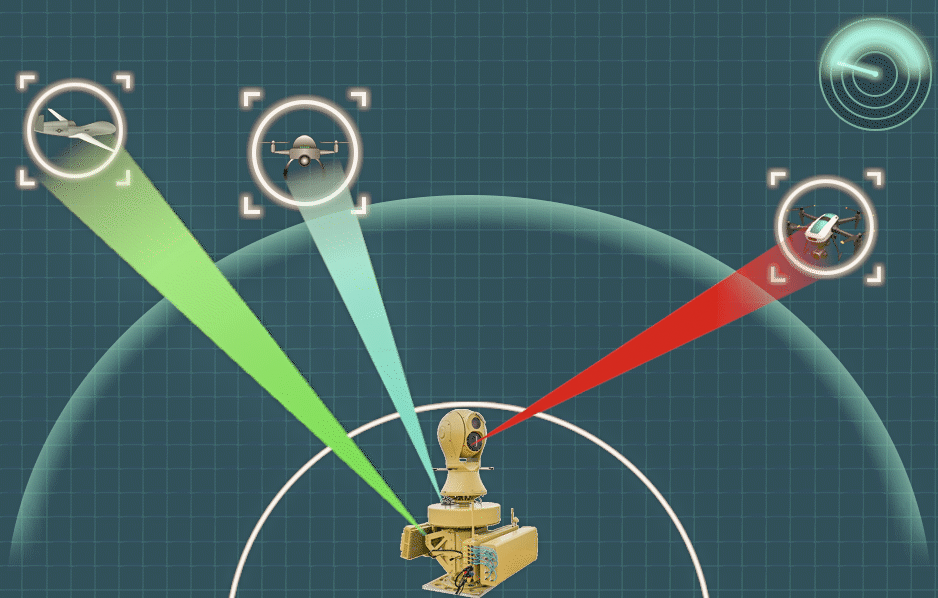

The drone threat landscape in 2026 is aggressive, adaptive, and cheap. Rogue quadcopters can appear anywhere—airports, battlefields, prison yards, or VIP motorcades—making the anti-drone jammer a frontline tool. Yet walking into a purchase with only a vague demand for “a jammer” is a recipe for wasted budget and operational gaps. Modern counter-UAS jammers have evolved into sophisticated electronic warfare devices with software-defined agility, smart waveforms, and strict legal wrappers. This buyer’s checklist walks you through the seven non-negotiable factors to evaluate before procuring an anti-drone jammer in 2026.
1. Frequency Bands – Total Coverage Is Not Optional
A 2026 jammer must silence more than just 2.4 GHz. Your checklist starts with frequency agility across all dominant drone bands: 2.4 GHz and 5.8 GHz for control and video, 433 MHz and 868/915 MHz for long-range telemetry, and the full gnss suite—GPS L1/L2/L5, GLONASS, BeiDou, and Galileo. Drone manufacturers increasingly use dual-band or triple-band links that hop automatically when they sense interference. Solid units use software-defined radio (SDR) front ends that can add new bands via firmware, not hardware swaps. Ask the vendor bluntly: “What happens when a drone switches to a band you are not covering today?”
2. Smart Jamming vs. Brute Force
Brute-force barrage jamming still works, but it paints a huge electromagnetic signature, drains batteries, and guarantees collateral interference to friendly communications. The 2026 procurement standard favors protocol-aware smart jamming. This means the jammer passively listens, identifies the drone’s specific link protocol—be it OcuSync, Lightbridge, or a custom frequency-hopping pattern—and injects just enough disruption to break the control loop. Look for terms like “selective jamming,” “trigonometric interruption,” or “digital RF memory” on the spec sheet. A good jammer can neutralize a drone while nearby Wi-Fi and tactical radios keep humming.
3. Effective Radiated Power and Real-World Range
Ignore the marketing number that claims “5 kilometer range” without context. Range depends on EIRP, antenna gain, terrain, and the drone’s receiver sensitivity. Your checklist should demand an honest link budget. For handheld units, expect a reliable 1–2 km kill range against consumer drones; vehicle-mounted systems should reach further. Critically, ask for test data in urban canyons and hilly terrain—not just open fields. Antenna design matters too: directional flat-panel antennas concentrate energy precisely, while omni antennas provide broader but shorter coverage. Some 2026 models allow hot-switching between antenna patterns based on threat bearing.
4. Portability, Weight, and Battery Strategy
A 20-kilogram jammer that needs a generator is a static asset, not a tactical tool. Modern handheld jammers must weigh under 8 kg fully loaded, with rifle-style or tablet form factors that a single operator can carry alongside standard kit. Battery requirements are brutal: at least 2 hours of continuous jamming time with hot-swappable packs, plus the ability to run off vehicle power or NATO-standard batteries. Ask for cold-weather performance numbers—lithium batteries sag fast below -20°C, and a silent jammer in the Arctic is liability.
5. User Interface and Mission Logging
When adrenaline is high, menu-diving is not an option. The best 2026 jammers offer one-touch operation with haptic feedback (vibration) so operators can confirm engagement without looking away from the threat. A small LED ring indicating ready, transmitting, and low battery is enough. Equally important is automatic logging: the device should timestamp every activation, log GPS coordinates, and record frequency bands used, all exportable via USB or Bluetooth to a command-and-control system. This data is legal gold in a post-incident investigation.
6. Legal Compliance and Export Controls
Let’s be blunt: ownership of a jammer is illegal for private citizens in most jurisdictions, and the penalties got heavier through 2026. As an authorized buyer—military, law enforcement, or critical infrastructure security—you must verify that the vendor holds spectrum regulatory approvals (FCC experimental licenses in the U.S., CE conformity in Europe) and can supply a clear letter authorizing use. If you plan to operate across borders, check ITU Radio Regulations and export controls (ITAR/EAR). Never sign a purchase order without a compliance pack from the manufacturer.
7. Vendor Track Record and Long-Term Support
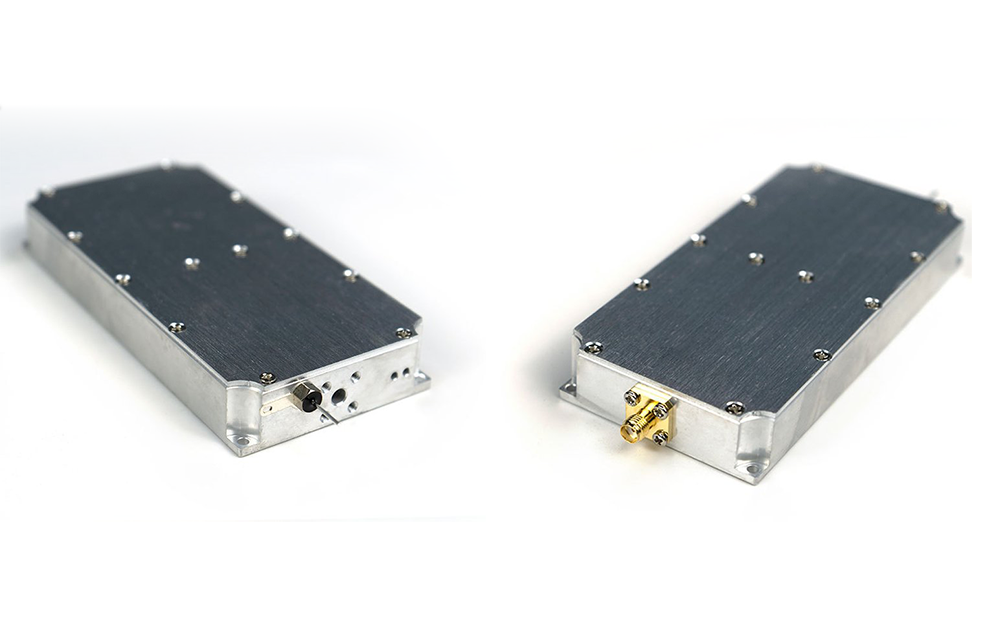
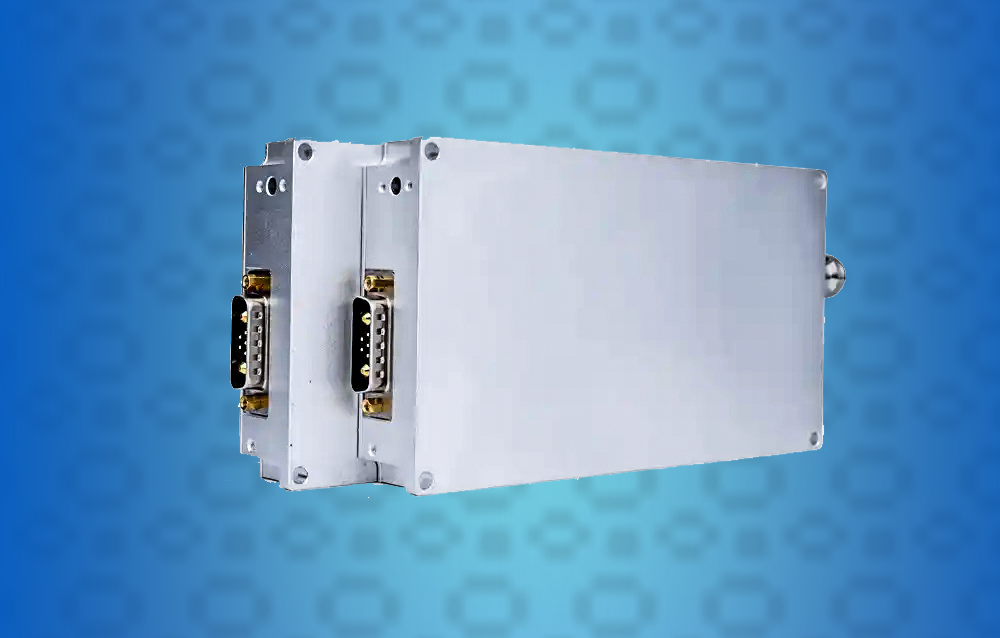
A jammer is not a disposable gadget; it is an investment in airspace security. Scrutinize the supplier’s history with government or military contracts. Do they offer field firmware updates to counter new drone protocols? Is there a training package, a maintenance depot, and a replacement parts pipeline? Modular architectures win here—systems where you can swap an amplifier module in minutes without returning the whole unit. With drone autonomy advancing fast, a jammer bought in 2026 must remain upgradable through 2028 and beyond.
Bottom Line
Procuring an anti-drone jammer in 2026 is a deliberate act of balancing performance, compliance, and adaptability. Use this checklist not as a shopping cart but as a scorecard. Score each candidate on frequency coverage, smart-waveform intelligence, rugged portability, user-centered design, and legal clarity. Only then will you field a jammer that protects people, property, and operations without causing more chaos than the drone you are trying to stop.
