

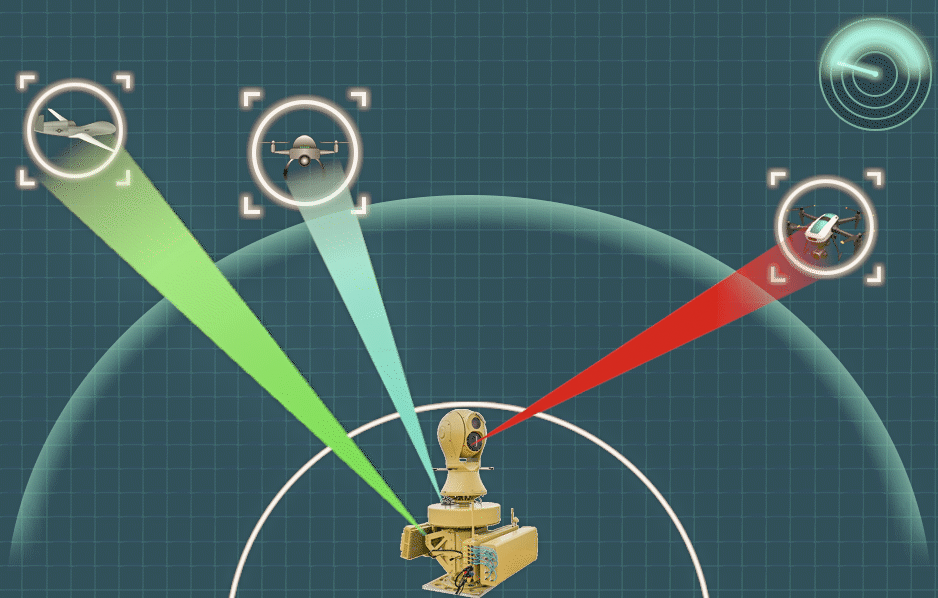

As drone threats continue to evolve, simply deploying jamming equipment is no longer enough. Ensuring that drone jamming systems perform reliably in real-world conditions is critical for security operations. But how can you accurately test their effectiveness?
This article explores practical testing methods, key performance metrics, and best practices for evaluating drone jamming equipment.
Why Testing Drone Jamming Equipment Matters
Drone jamming systems operate in complex electromagnetic environments where performance can vary significantly. Without proper testing, organizations may face:
- Reduced effectiveness against real drone threats
- Unexpected interference with other communication systems
- Compliance and regulatory risks
Testing ensures that the equipment meets operational requirements and performs as expected under different scenarios.
Key Testing Methods
1. Controlled Field Testing
Controlled field tests are conducted in designated environments where variables can be managed. These tests typically involve:
- Using known drone models
- Operating within specific frequency bands
- Measuring response under predefined conditions
This method allows for repeatable and standardized evaluation.
2. Real-World Scenario Testing
Unlike controlled tests, real-world testing evaluates performance in operational environments such as urban areas, airports, or industrial sites.
Key factors include:
- Signal interference from surrounding devices
- Obstacles like buildings and terrain
- Weather conditions
This approach provides a more accurate representation of actual effectiveness.
3. Frequency Spectrum Analysis
Testing should include analyzing how well the jammer covers target frequency bands.
Engineers use spectrum analyzers to verify:
- Output power across frequencies
- Signal stability and consistency
- Coverage of key drone communication bands
4. Multi-Drone Testing
Modern threats often involve multiple drones operating simultaneously. Testing with multiple UAVs helps evaluate:
- System capacity
- Response time
- Interference management
This is especially important for high-security environments.
Key Performance Metrics
To properly assess effectiveness, several metrics should be considered:
1. Jamming Range
The maximum distance at which the system can successfully disrupt a drone. This depends on power output, antenna design, and environmental factors.
2. Response Time
The time it takes for the jammer to disrupt a drone after activation. Faster response times are critical in dynamic scenarios.
3. Frequency Coverage
Effective systems should cover multiple frequency bands used by drones, including control, video, and GNSS signals.
4. Success Rate
The percentage of successful disruptions during testing. A high success rate indicates reliability.
5. Stability and Continuity
The ability to maintain consistent performance over extended periods without overheating or signal degradation.
Common Challenges in Testing
Testing drone jamming equipment is not without difficulties:
- Environmental variability: Results may differ between locations
- Regulatory restrictions: RF testing may require special permissions
- Drone diversity: Different models use different frequencies and protocols
- Signal overlap: Risk of interfering with legitimate communications
Addressing these challenges requires careful planning and compliance with local regulations.
Best Practices for Accurate Testing
To achieve reliable results, consider the following best practices:
- Conduct both controlled and real-world tests
- Use a variety of drone models and frequencies
- Repeat tests under different environmental conditions
- Record and analyze data systematically
- Ensure compliance with legal requirements
Combining multiple testing approaches provides a comprehensive understanding of system performance.
The Role of Advanced Technologies
Modern testing is increasingly supported by advanced tools and technologies:
- AI-based analytics for performance evaluation
- Simulation software for scenario modeling
- Automated testing platforms for repeatability
These tools help improve accuracy and reduce human error.
Conclusion
Testing the actual effectiveness of drone jamming equipment is essential for ensuring reliable counter-UAS operations. By combining controlled experiments, real-world testing, and detailed performance metrics, organizations can confidently evaluate their systems.
As drone technology continues to evolve, continuous testing and improvement will remain key to maintaining effective airspace security.
